
A group of scientists from Arizona State University in the United States has produced the fastest X-ray pulses ever generated by a compact device. With them, physicists have for the first time been able to record changes in the atomic structure of a so-called quantum material that take place over trillionths of a second.
The research was carried out in the CXFEL laboratory under the direction of Professor of Physics Arvinder Sandu. The scientists used a compact X-ray source to trace how the atoms and electrons in the material rearrange themselves after it is exposed to heat. According to Professor Sandu, the technology could lead to new discoveries in semiconductors, renewable energy, medicine and quantum computing.
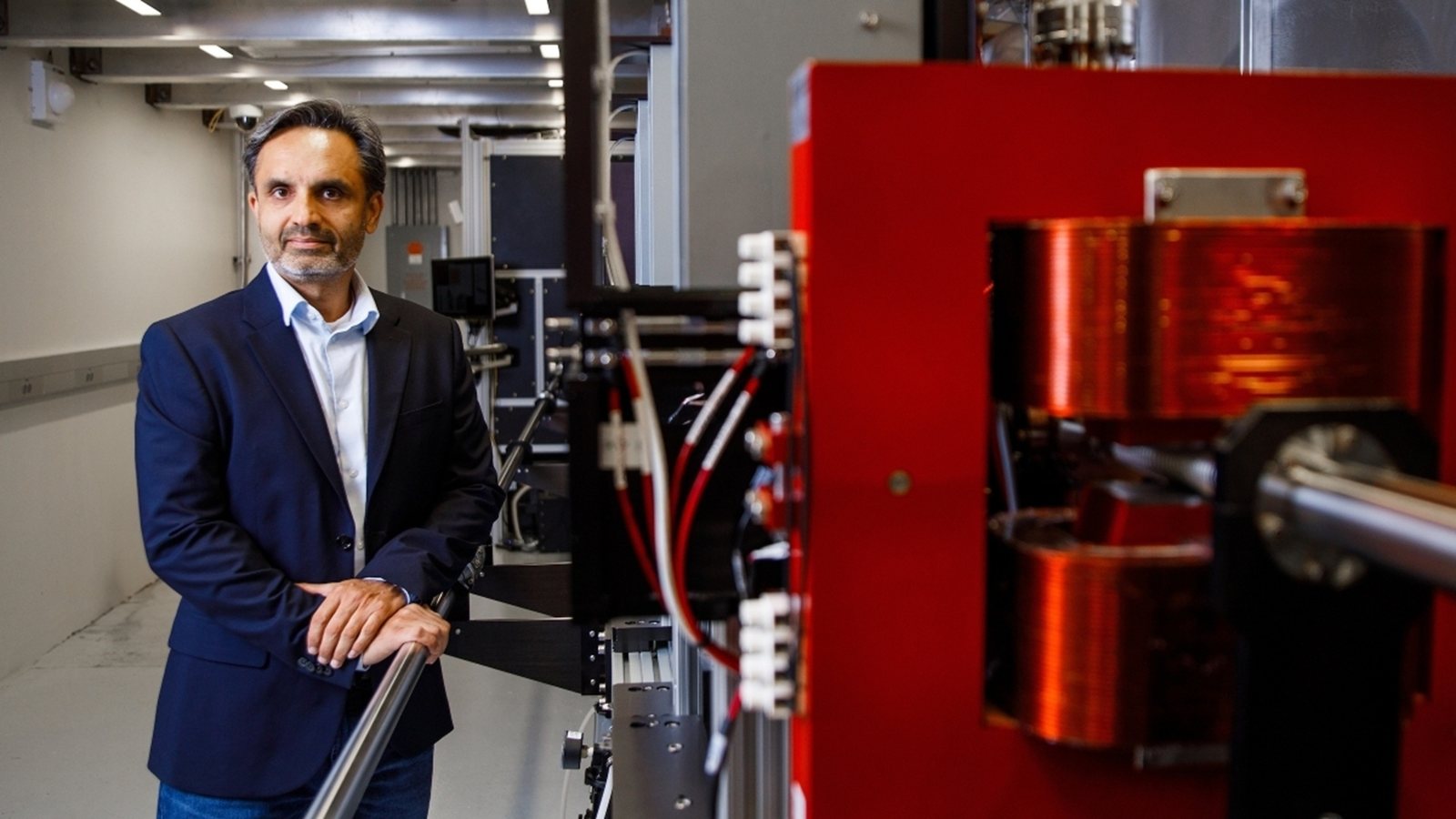
This work shows the scientific community that we are officially open for experiments, to expand our knowledge and understanding.
— Arvinder Sandhu, head of the CXFEL laboratory
For the experiment, the team chose tantalum disulfide (TaS2), a material with unusual electronic properties that is considered promising for memory devices, sensors and components of quantum computers. The sample was struck with a pulse from an infrared laser to excite its atoms and electrons. Immediately afterward, the scientists "photographed" changes in its internal structure with ultrashort X-ray pulses. The changes occur within femtoseconds, each equal to one quadrillionth of a second.
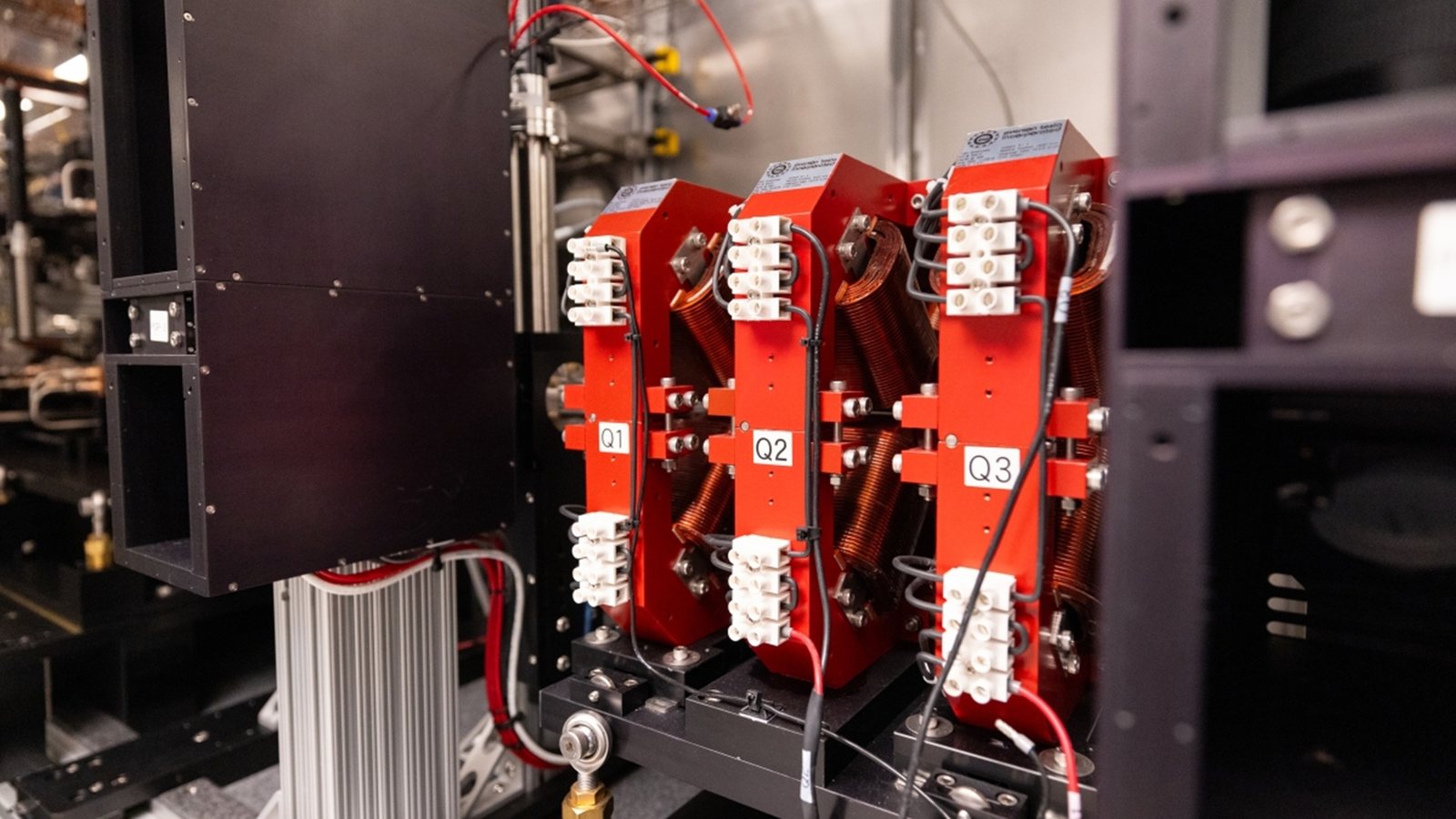
The laser and X-ray pulses had to be synchronized to within a nanosecond so that the changes could be captured before the material returned to its original state. The observations showed how, under the influence of the laser, the so-called charge density waves in the material shift—patterns formed by its electrons. As the material changed its state, small regions merged into larger and more ordered structures.
As Associate Professor Samuel Teitelbaum explained, the X-ray measurements made it possible to follow the birth and growth of the material's new phase over a span from several picoseconds to several nanoseconds. Understanding such rapid processes may show how promising materials respond to thermal stress.
The laboratory, built with the work of around 80 researchers, is now available to other scientists for studying a range of materials and biological structures. Professor Sandu's team plans to use the technology to study proteins linked to human diseases. By 2028, the university plans to complete a second X-ray device, one that will be faster still.


Letters