Wednesday, 4 November 2026Issue of 1 November
No. 2 · 1 November 2026p. 1 of 12

A Vaccine from One's Own Tumour
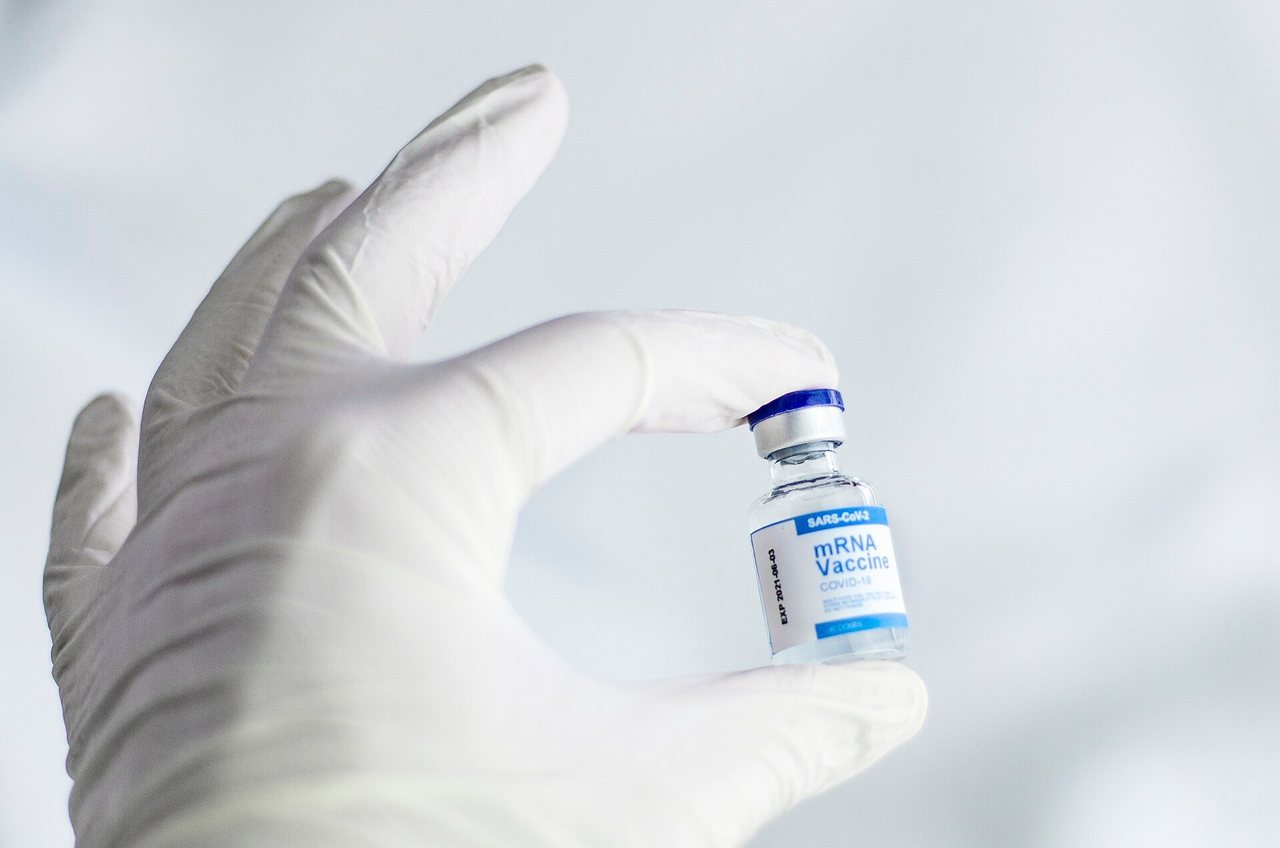
Photo: Spencer Davis, Wikimedia Commons, CC BY 4.0

A personalised mRNA vaccine against melanoma has for the first time passed the third, decisive phase of clinical trials. For patients who had high-risk melanoma surgically removed, adding the vaccine to standard immunotherapy lowered the risk of recurrence or death by 42% compared to those receiving immunotherapy alone. After two years, 82% of patients remained disease-free, versus 70% in the control group.

Even after surgery, individual cancer cells can remain in the body: too few to be seen on scans, but capable of bringing the disease back over time. The treatment from Moderna and Merck is made for each patient individually. A computer analyses the genes of the removed tumour to find up to 34 targets, and the vaccine teaches the immune system to recognise these specific cells, while the long-established drug pembrolizumab removes the ‘brakes’ that cancer uses to suppress the immune response.

More than 1,000 people from 157 clinics worldwide took part in the trial, and the vaccine was successfully manufactured for 99% of the patients for whom it was prescribed, taking an average of 64 days. The companies are already discussing the results with regulators, and researchers are investigating whether the technology could also help with lung, kidney and bladder cancer.
Voyager 1 Has Repaired Itself

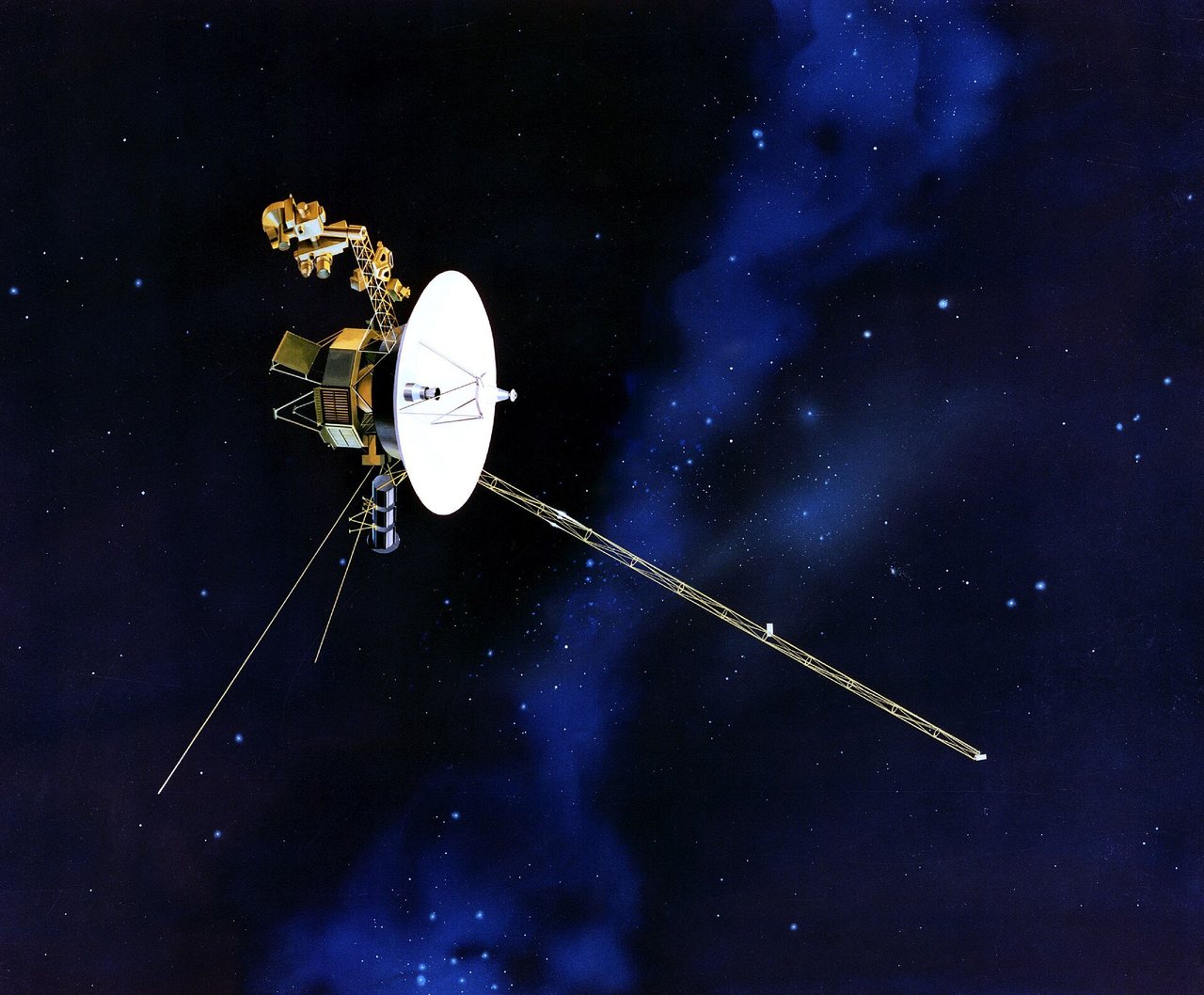
Voyager 1 went silent for two days, then repaired itself
Photo: NASA/JPL, public domain

On October 18 and 19, NASA’s Deep Space Network antennas twice failed to hear from Voyager 1. The probe is more than 25 billion kilometers from Earth, making it impossible to quickly determine what had happened. But on October 20, the signal returned on its own, before engineers had a chance to send any commands, and communication has remained stable ever since.

Telemetry showed that one of the attitude control thruster sets, which keep the probe’s antenna aimed at Earth, had shut down, and the onboard computer switched to a backup set. This was done by a built-in protection system that puts the probe into safe mode in the event of a malfunction. It is not yet known what triggered the system; mission manager Karim Badruddin of the Jet Propulsion Laboratory said that engineers had never seen such behavior from the spacecraft before.

The probe’s power supply is dwindling: its radioisotope generators, which run on the heat from decaying plutonium, are losing about four watts of power per year. In September, engineers turned off three heaters at once and replaced them with less power-hungry ones; otherwise, another of its scientific instruments would have had to be switched off in the summer of 2027.

Launched in 1977, Voyager 1 studied Jupiter and Saturn before becoming the first spacecraft to enter interstellar space in 2012. On November 18, it will become the first human-made object to travel one light-day, approximately 25.9 billion kilometers, from Earth. A radio signal will then take a full day to reach it and another to return, so engineers will have to wait two days for a reply to any question they send.

In Brief

Tokyo to Punish Tourists for Abandoning Suitcases
In the Toshima ward alone, 290 abandoned suitcases were found in one year: tourists buy new luggage in Japan and dump the old on the street. The penalty is up to five years in prison or a fine of up to 10 million yen.
Painting Made from Eleven Kilograms of Spices
Indian artist Amar Kale has entered the Guinness World Records with a 175-square-meter canvas painted with turmeric and ground chili pepper.
Bird’s Egg Mimicry Comes at a Genetic Cost
The African parasitic indigobird lays its eggs in other birds’ nests, mimicking them so accurately that the skill is encoded in its W chromosome. Harmful mutations have accumulated there along with it.
Ali G Fails to Impress Critics
Sacha Baron Cohen’s directorial debut, “Ali G: Who Am I?” opened with a 50% approval rating on Rotten Tomatoes; “Borat” had 90%.

Problem of the Week

Schultz’s List

Schultz works at customs and suspects a passenger: he often travels abroad and smuggles something, yet inspections find nothing. All he carries is a toiletry bag. Schultz listed its contents: pajamas, a shirt, a razor, a shaving brush, soap, a tube of toothpaste, cologne, a nail brush, a hairbrush. Lucky read it and said: “I know where the hiding place is.” Where?

The answer is in the next issue; the answer to Problem No. 1 is on p. 12.

Quote of the Week

Our roads, I’m sorry, are not made of rubber; they cannot expand indefinitely.

Tigran Avinyan, Mayor of Yerevan