Science
Science news without the formulas. Discoveries and scientific debates that reach the newspaper before they reach the textbooks. Articles open on the publisher’s website.

Science
Mumiyo as medicine: German scientists study an old remedy and find aloe in it
For centuries, European doctors prescribed a powder made from Egyptian mummies. A recent study has found that it contained plant components, and in the laboratory it was able to protect cells from the influenza virus.
Latest in this section
Science
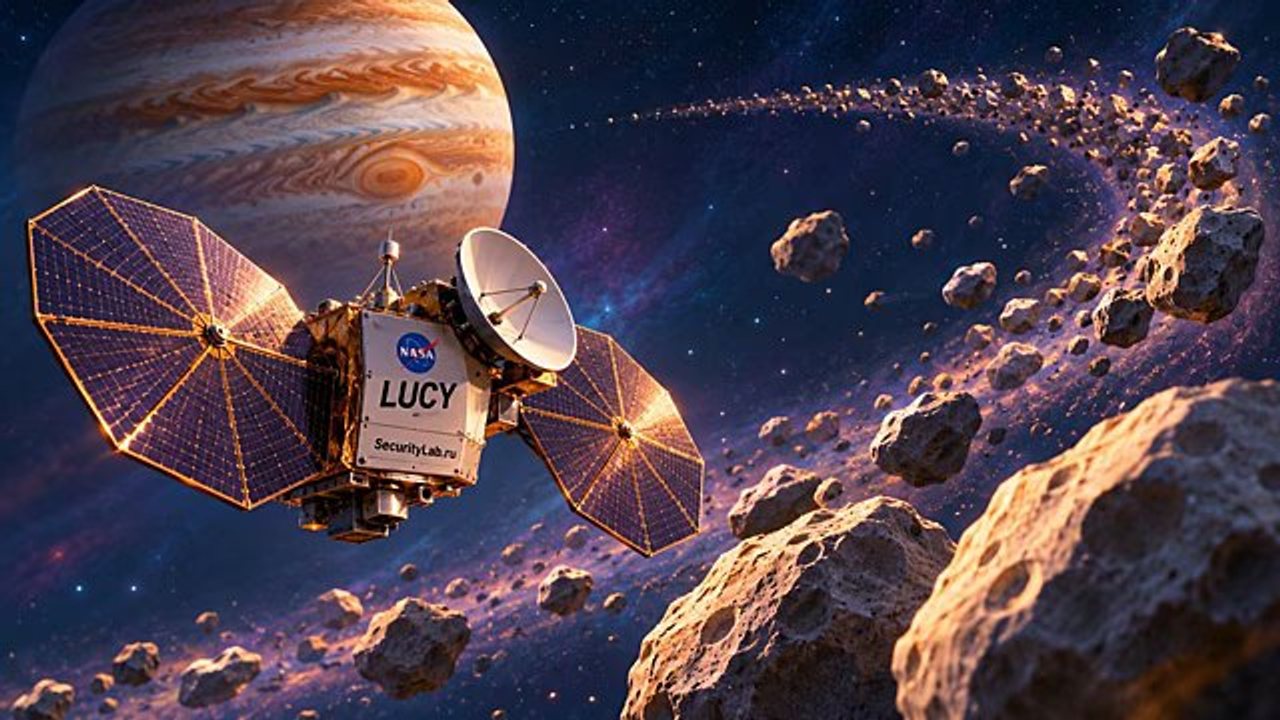
The Lucy Probe Reaches Jupiter's Asteroids
NASA's spacecraft has covered three and a half billion kilometres and entered a region no probe had ever visited before. In a year it will begin its approach to asteroids that may hold traces of the Solar System's birth.
Science
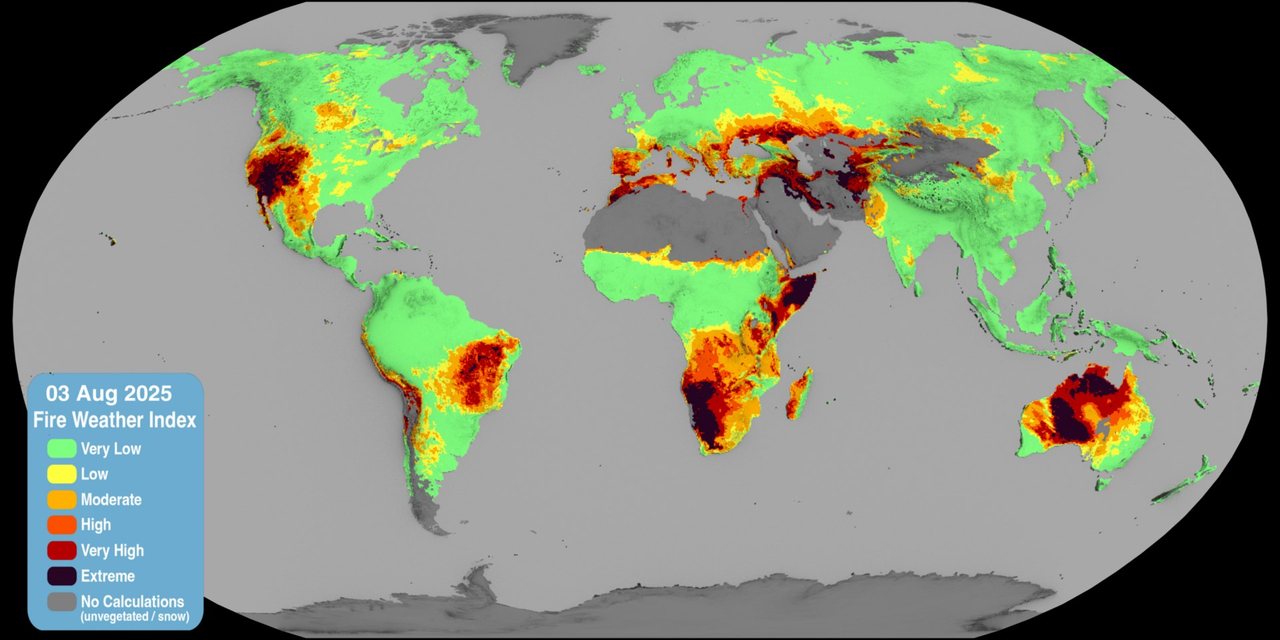
Weather forecasts for a month Weather forecasts for a month ahead have become twice as accurate, thanks to artificial intelligence.
Researchers in the United States have trained an algorithm to correct errors in existing meteorological models.
Science
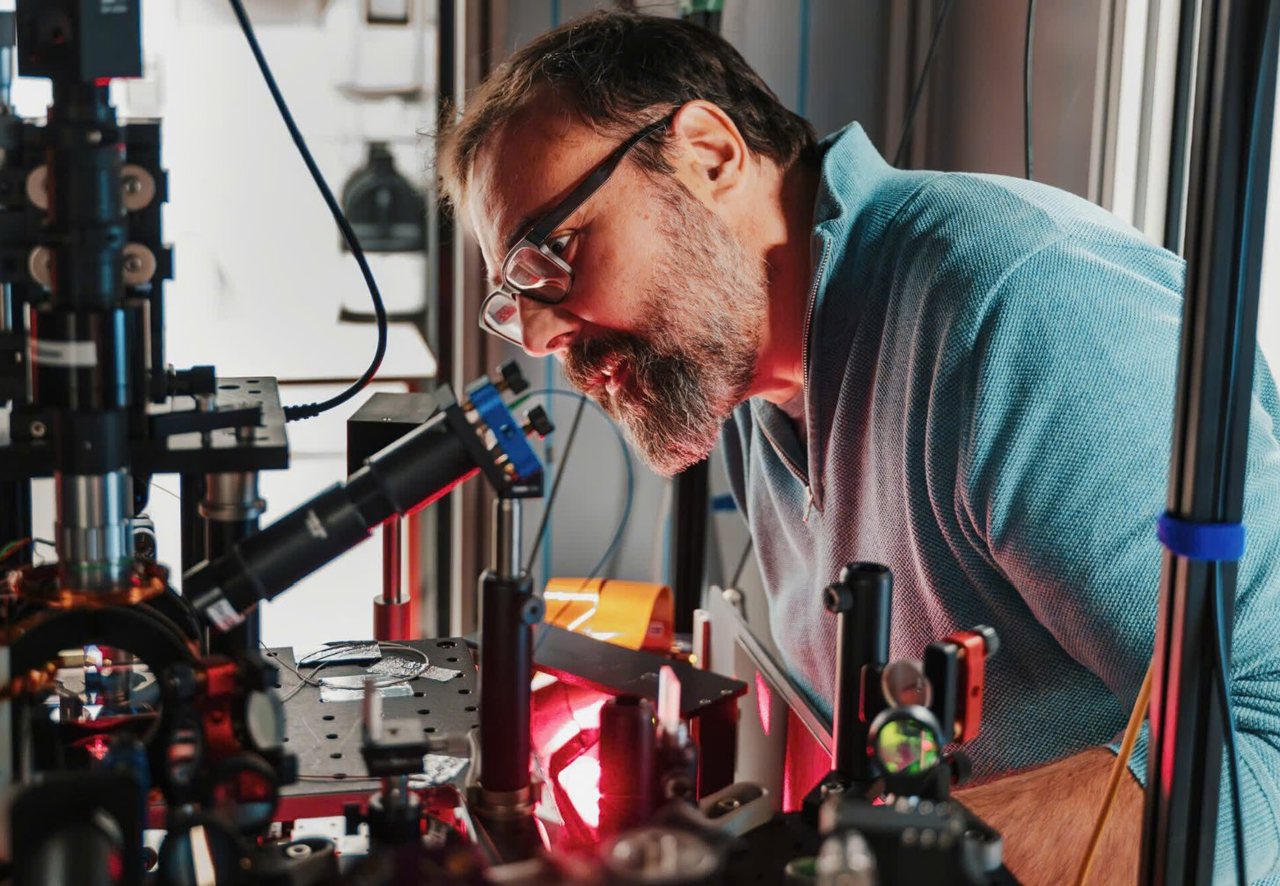
Giovanni Barontini Proposes Measuring Time Without a Clock
Instead of the usual counting of seconds, the scientist used changes in a cloud of ultracold atoms to put events in order within a closed system.
Science
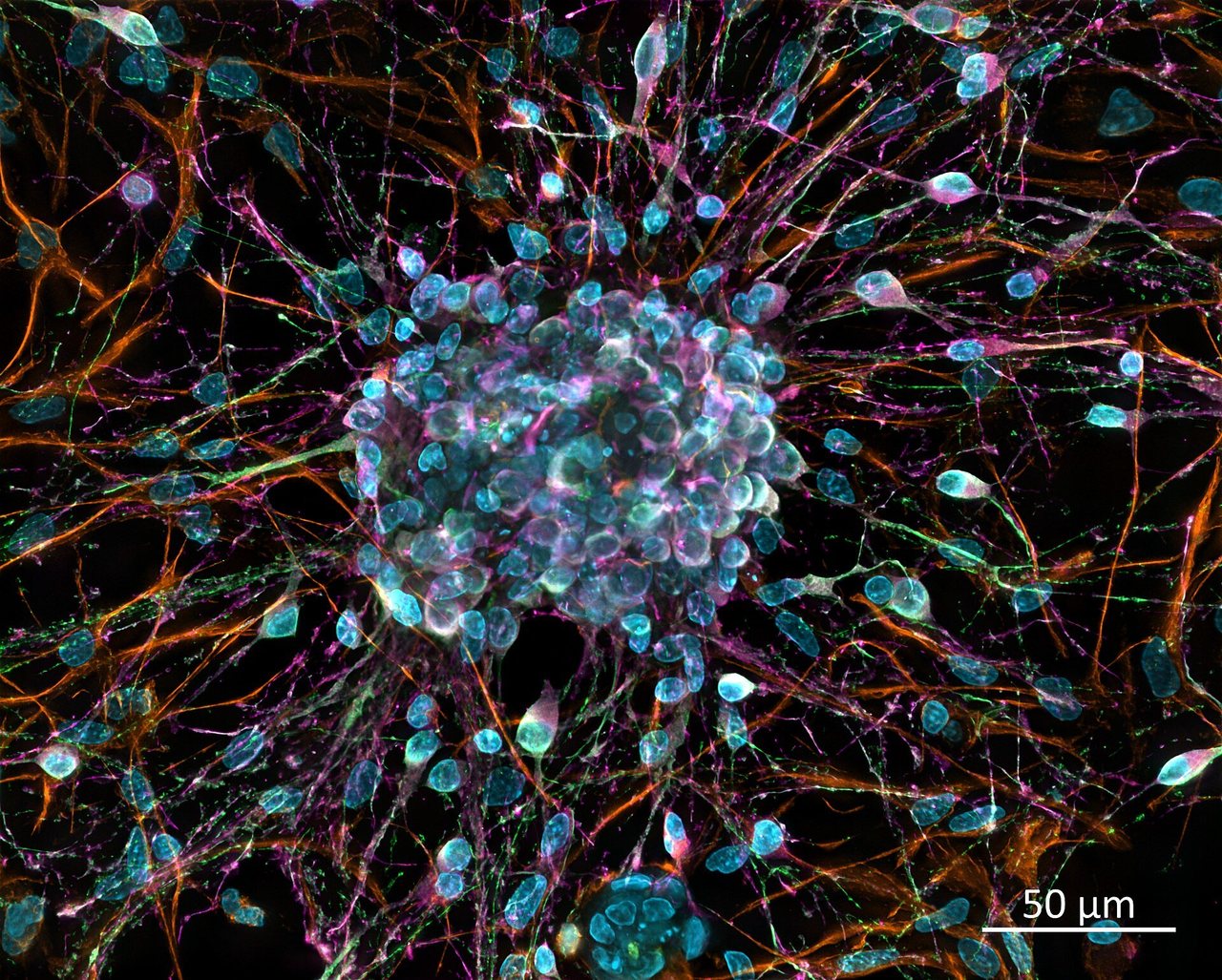
Brain Cells Show an Ability to Repair Themselves
Scientists at the University of Zurich have found that the brain's supporting cells can repair damaged areas: they stretch out, divide and send new nuclei into the places where cells have been lost.
Science
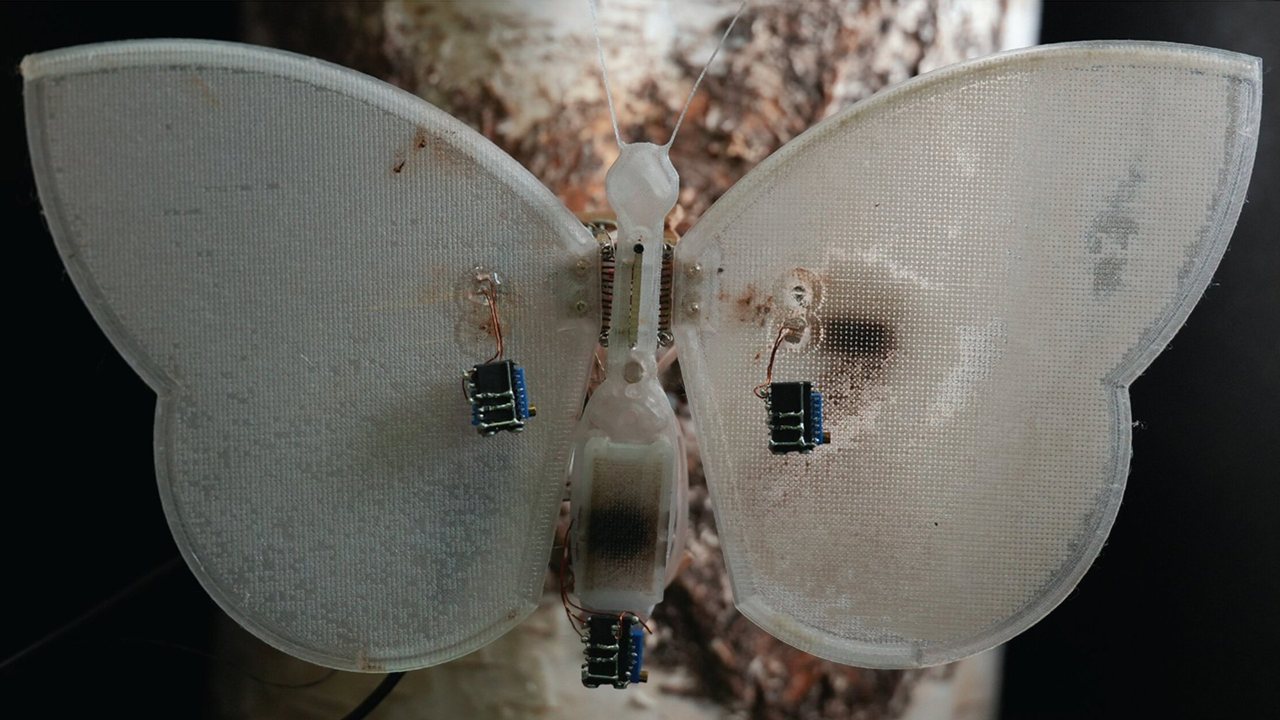
A Moth-Shaped Robot Grows a Light Sensor Using Artificial Blood
Scientists from Estonia and Italy have built a robot that can grow new components directly inside its own body. In the future, this would allow machines to adapt to the environment they find themselves in.
Science
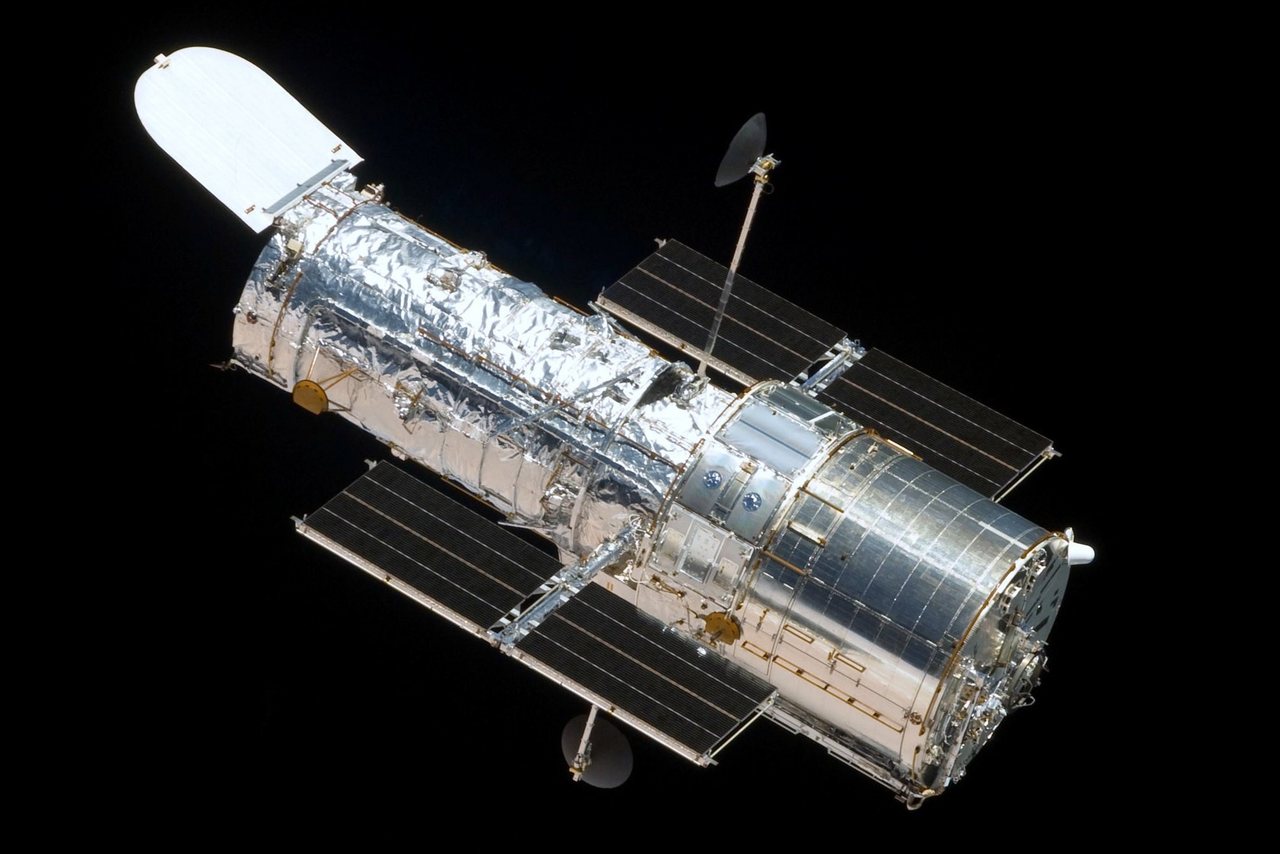
NASA's Swift Telescope Is Falling to Earth After a Failed Rescue Attempt
The space observatory, which worked for 22 years, will enter the atmosphere in the coming days. Most of it will burn up, but some pieces may reach the planet's surface.


For writers
Notice
An octopus has three hearts, and you cannot keep quiet about it
If you have lately read or heard something of the kind, do not keep it to yourself. Write an article about it and explain everything the way you would to a friend: no academic degree is needed for that. In Union Post the author will be you.
Write an article
Science
Gene Therapy for Retinitis Pigmentosa and Glasses Restore Part of Sight to the Blind
Scientists did not rebuild the eye's light-sensitive cells. Instead, they taught other retinal cells to respond to light. The technology, based on proteins from algae, helped several people with inherited blindness distinguish objects again.
Science
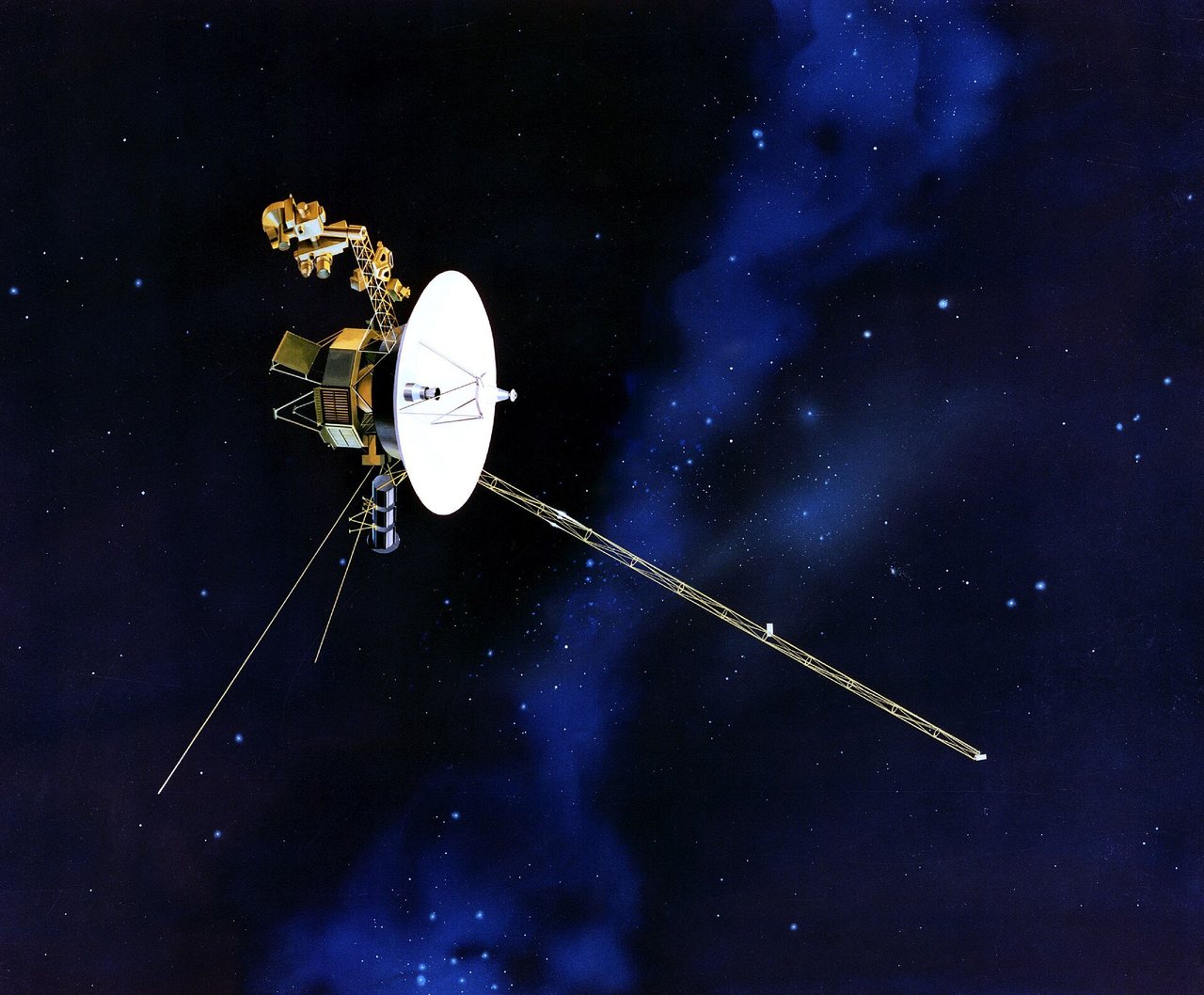
Voyager 1 fell silent for two days, then fixed itself
The spacecraft, launched almost half a century ago, is 25 billion kilometres from Earth. In October it stopped responding, but its onboard computer dealt with the malfunction without help from the ground.
Science
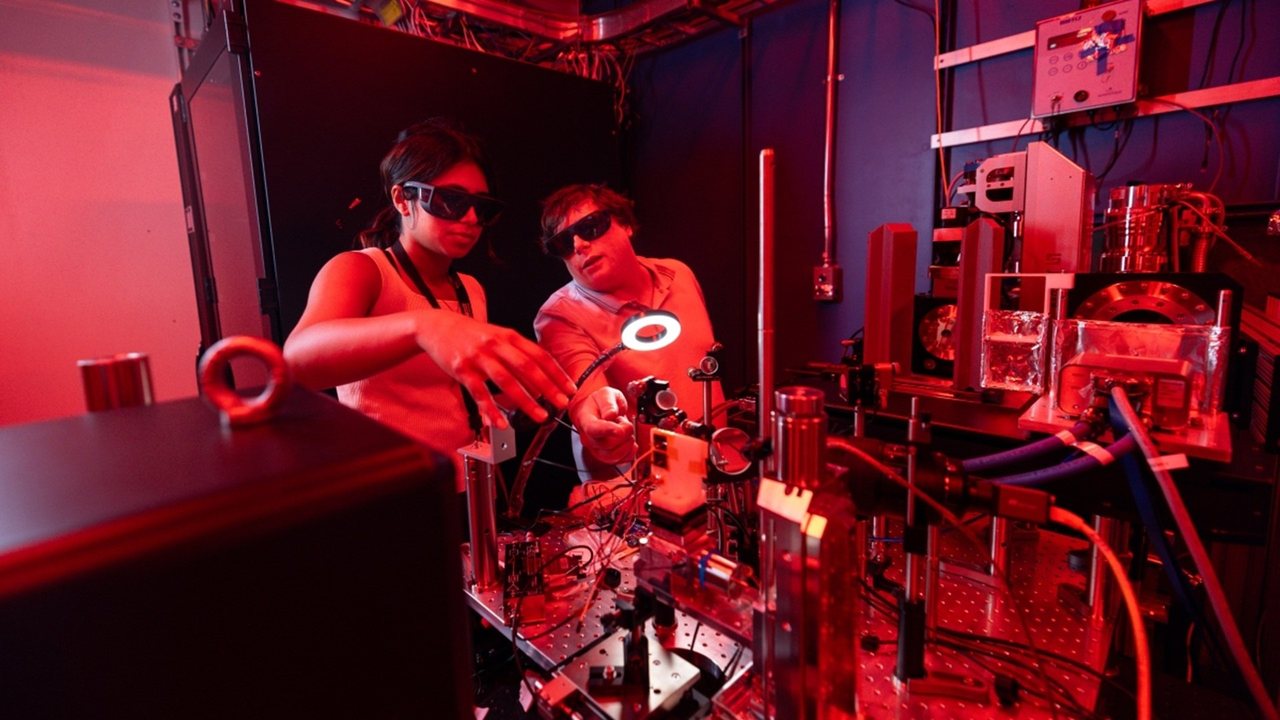
American Physicists from the University of Arizona Watch Atoms Move with the Fastest Compact X-ray
Scientists from Arizona State University have built an X-ray apparatus that produces the shortest pulses of any compact device to date. It makes it possible to observe changes in materials that unfold over trillionths of a second.
Science
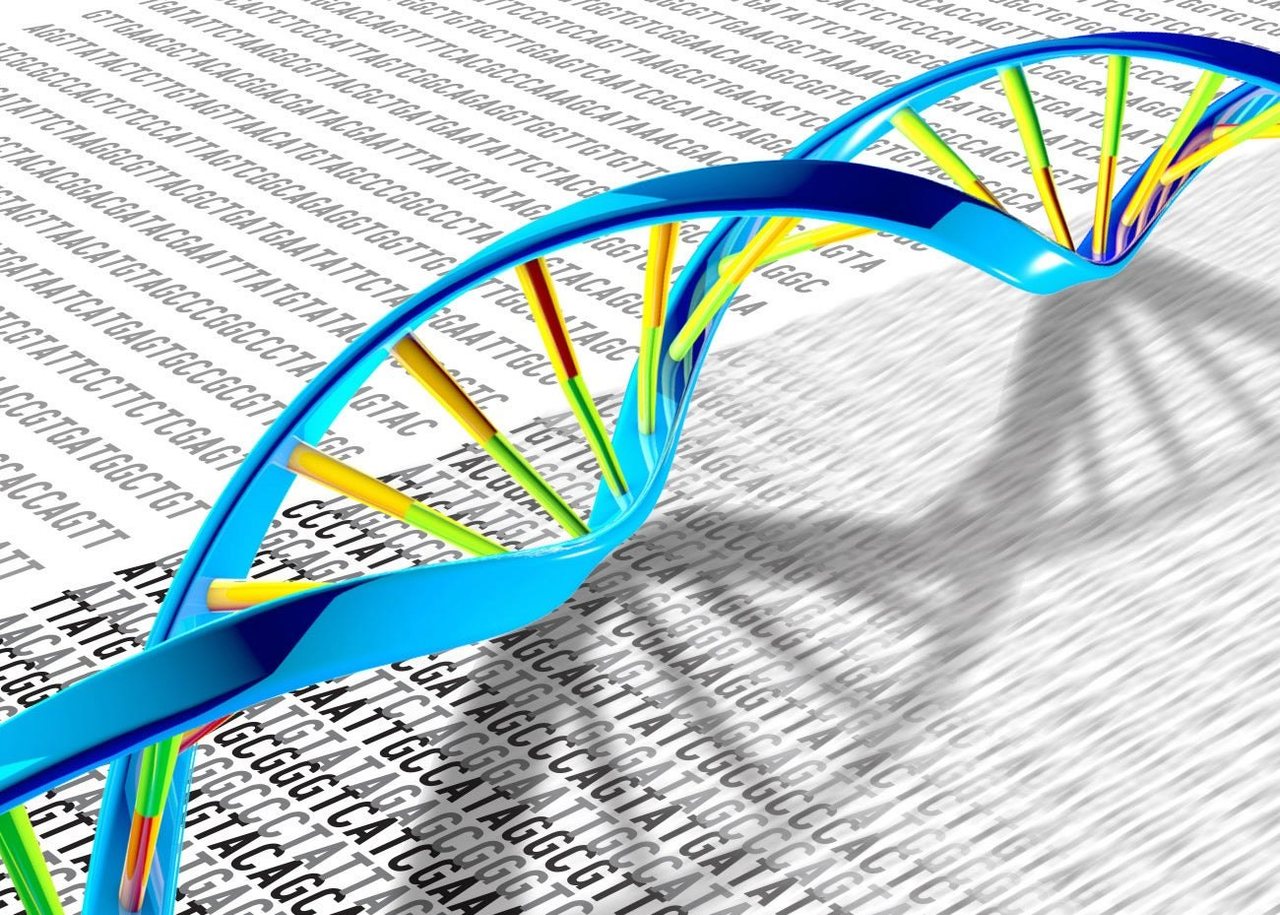
Doctors for the first time applied prime editing technology directly inside the human body
A new variety of the CRISPR technology is designed to correct the genetic mutation that causes Wilson's disease, a hereditary liver disorder. If the method proves safe, it could help treat other diseases as well.
Science
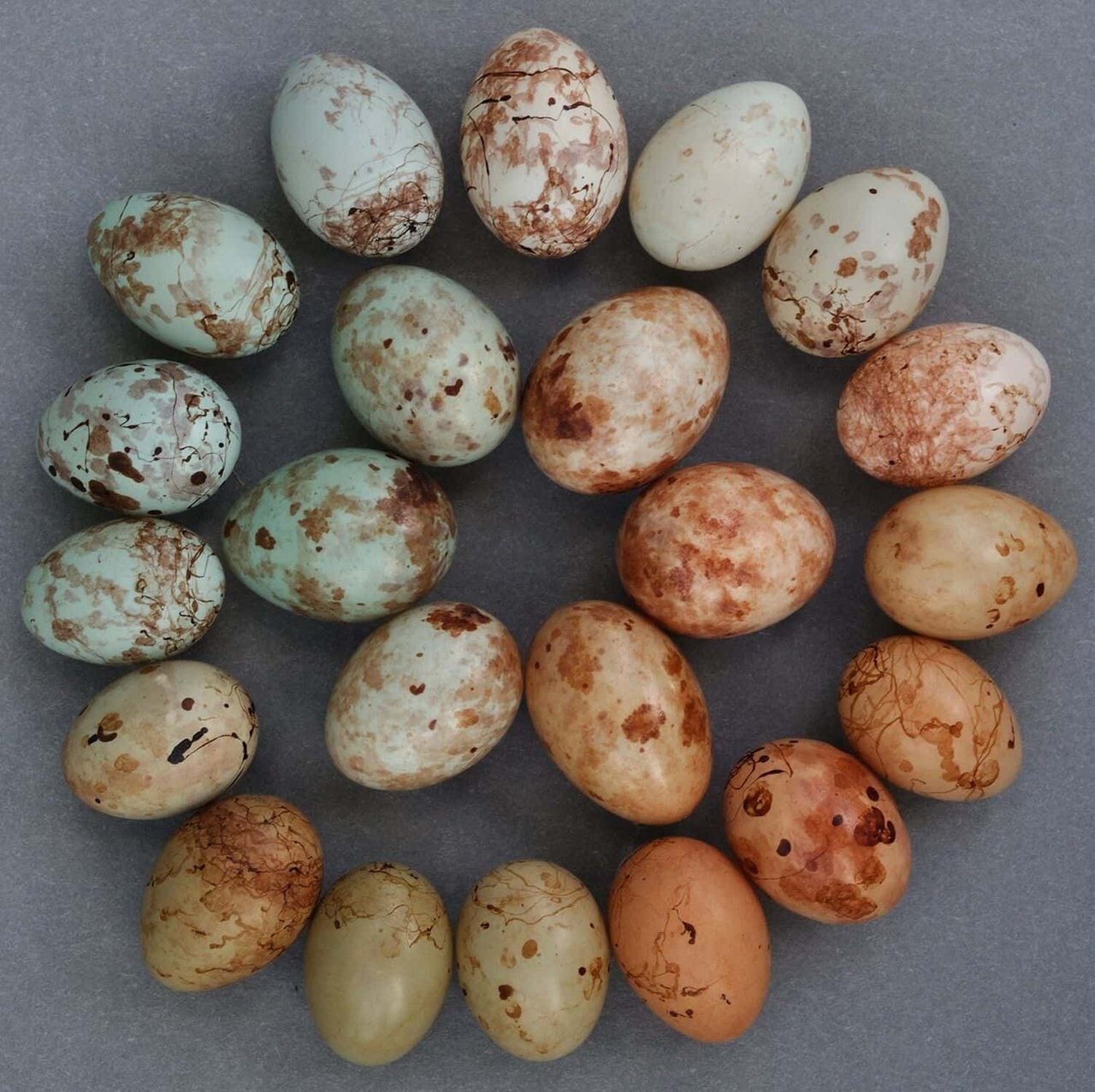
The Perfect Forgery: How Deceiving Other Birds Is Changing the DNA of the Paradise Whydah
An African bird has learned to fake eggs so skilfully that it has locked the ability into its genes. But this evolutionary trick has come at a price.
Science
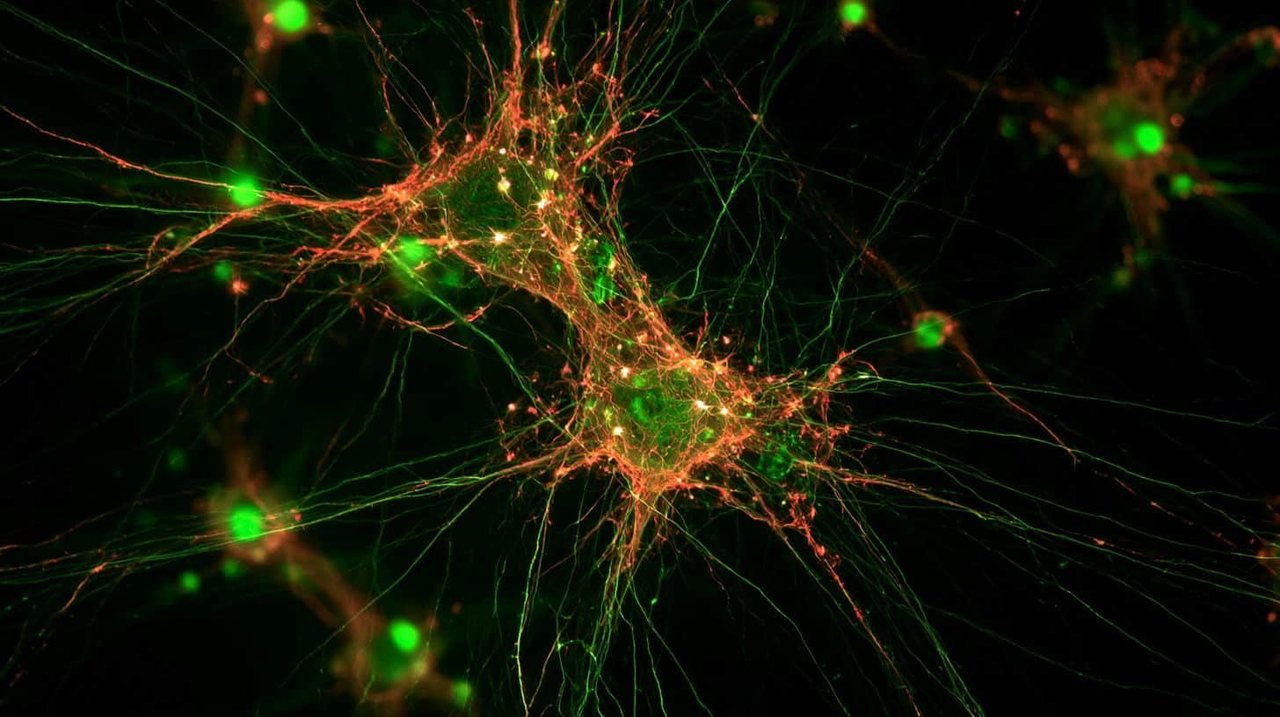
The Fetal Brain Gets Rid of Genetically Flawed Cells
A study from Harvard Medical School has shown that during development the human brain weeds out most genetically flawed neurons, so that the foundation of the nervous system is made up of healthy cells.
Science
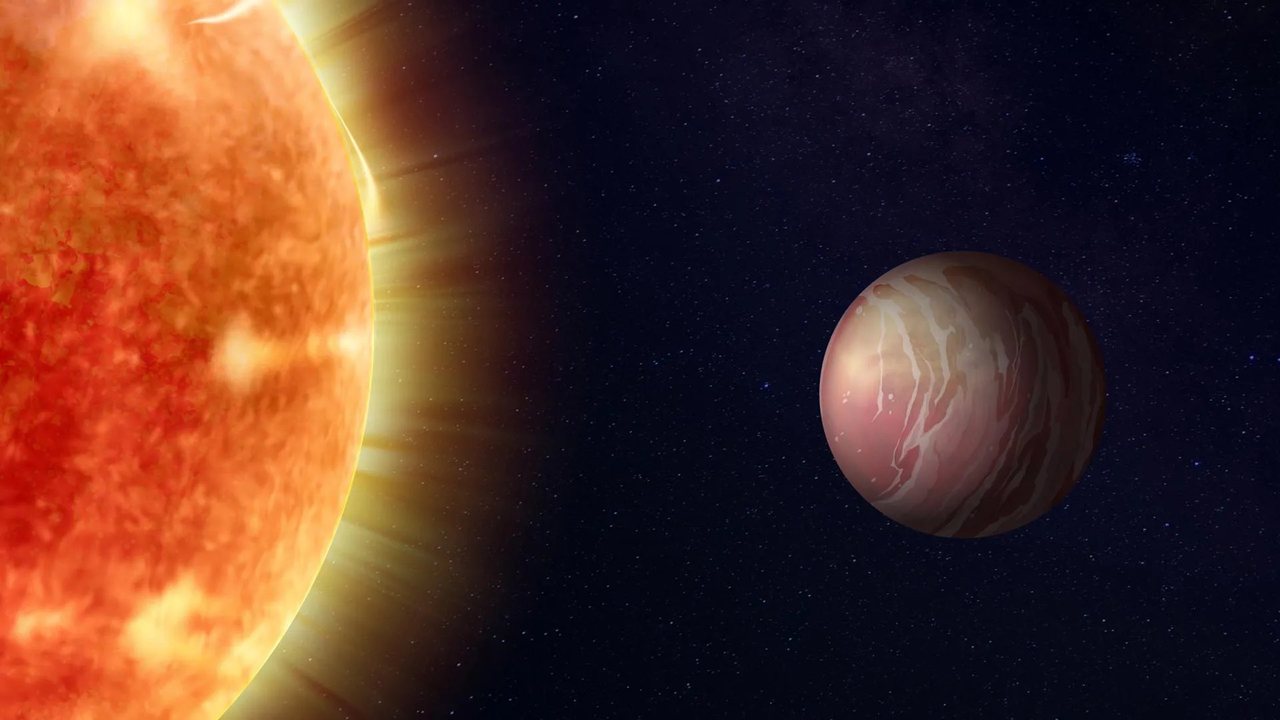
The James Webb Space Telescope has found TOI-561 b, a planet with an ocean of lava and an atmosphere
Astronomers assumed that a scorching planet 280 light-years from Earth could not have an atmosphere. New observations show that it not only has one, but that it reflects three-quarters of the starlight that falls on it.
Science
Doctors Attempt for the First Time to Edit DNA Inside a Patient's Body to Treat Wilson's Disease
A patient with a rare hereditary disease has been given a drug designed to find the damaged gene in the liver and repair it. If the method works, it could change how genetic diseases are treated.
Science
mRNA melanoma vaccine made from the patient's own tumour cut the risk of relapse by 42%
A new mRNA drug teaches the immune system to find and destroy cancer cells that may have survived surgery. It is the first successful Phase 3 trial of this kind of technology in cancer treatment.
Science
Physicists Trapped a Positron to Find the Answer to a Riddle of the Universe
Scientists at Northwestern University in the United States have created an "artificial atom" from a positron in order to compare it with the electron with unprecedented precision. If their properties turn out not to be entirely identical, this could overturn modern physics.

Science
Near Machu Picchu, Archaeologists Uncover Inca Roads Hidden by the Jungle
Polish and Peruvian archaeologists, using laser scanning, have found previously unknown stretches of road, terraces and other structures in the surroundings of the ancient city.
Science
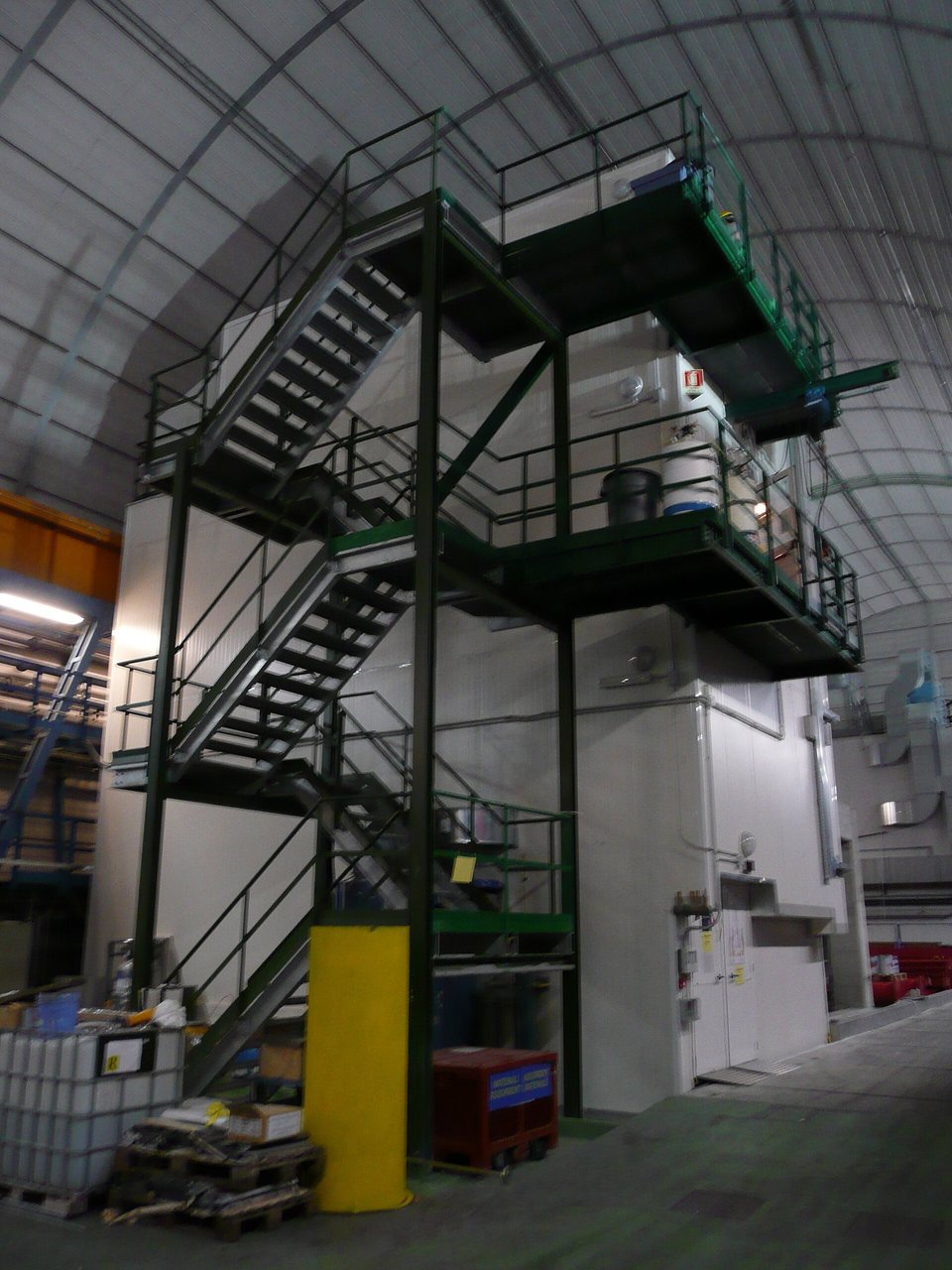
What Kills Schrödinger's Cat? Physicists Rule Out One Explanation
An experiment in an underground laboratory in Italy has found no evidence for a theory that for sixty years explained why the laws of the quantum world do not apply to large objects. According to that theory, the culprit is gravity.
Science
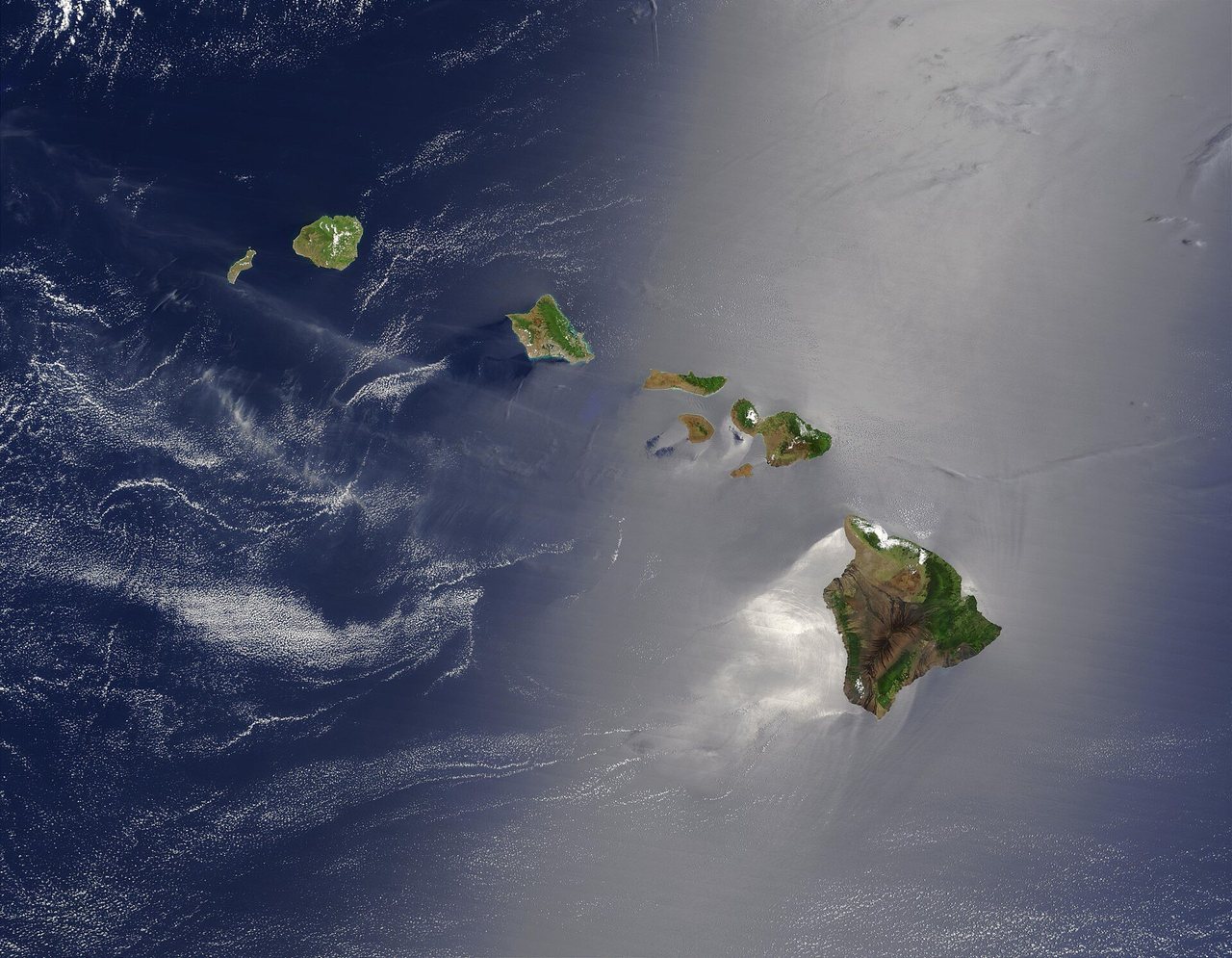
Geneticists Trace the Route of Ancient Seafarers from Easter Island to Hawaii
DNA analysis of Polynesian populations has not only shed light on a millennium-old mystery of how the islands were settled but has also pointed to the risk of rare genetic diseases. Some gene variants linked to them are found in this region often enough to warrant specialised screening.
Science
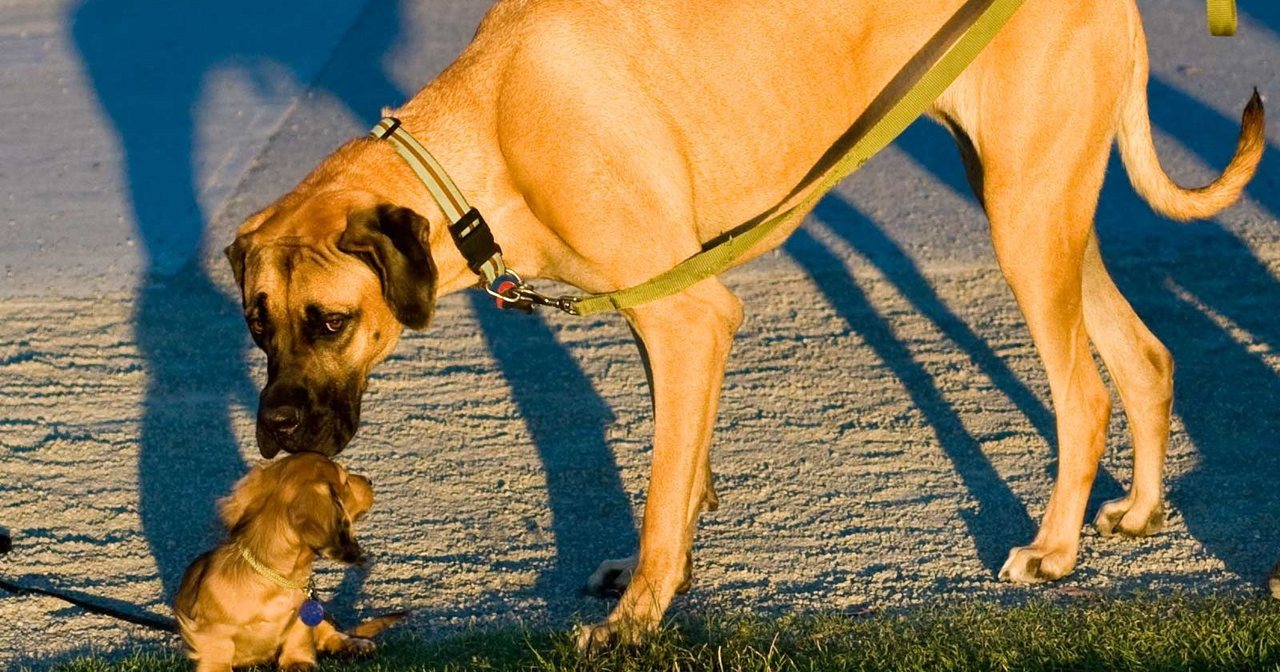
The Price of Size: Why Big Dogs Age Faster
Scientists have found that in large dogs, the protective marks on DNA that keep "jumping genes" in check wear away faster. This may explain why Great Danes and mastiffs live shorter lives than dachshunds and chihuahuas.
Science
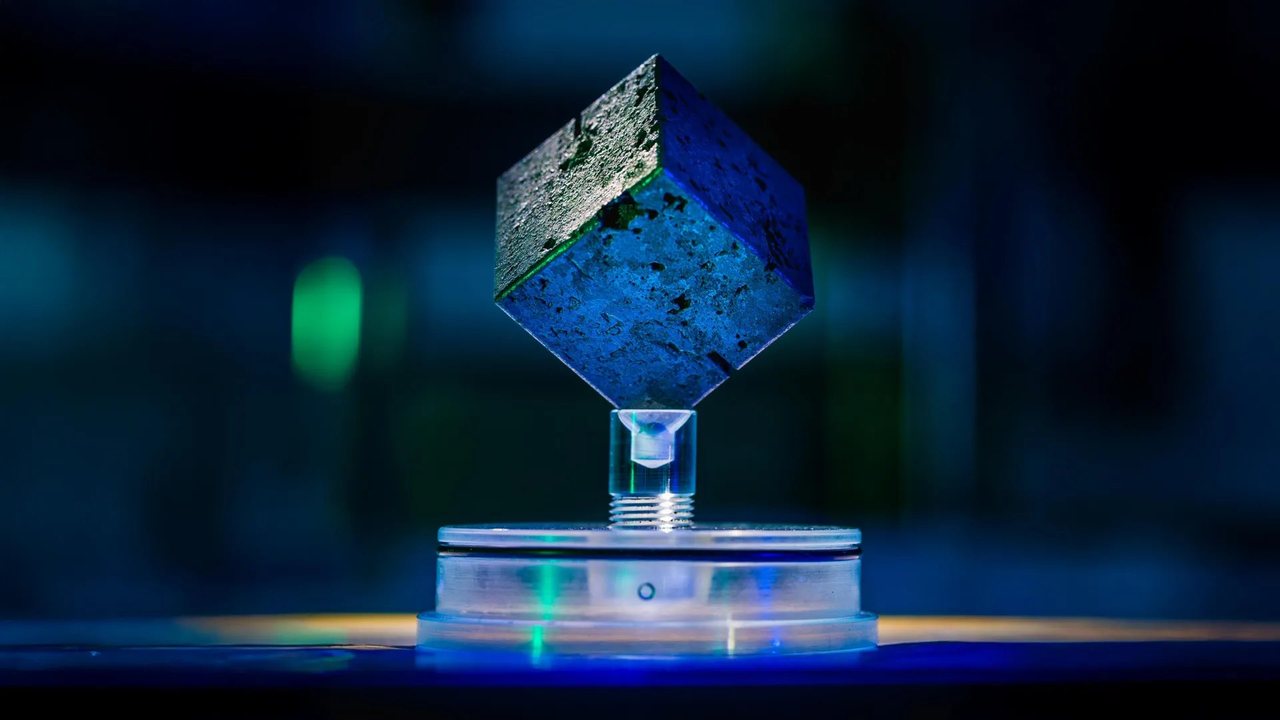
Uranium Cubes Reveal Why Nazi Germany Failed to Build an Atomic Bomb
A new study of surviving artifacts and documents shows that Hitler's last nuclear reactor lacked the vast quantities of uranium and heavy water needed to start up.
Science
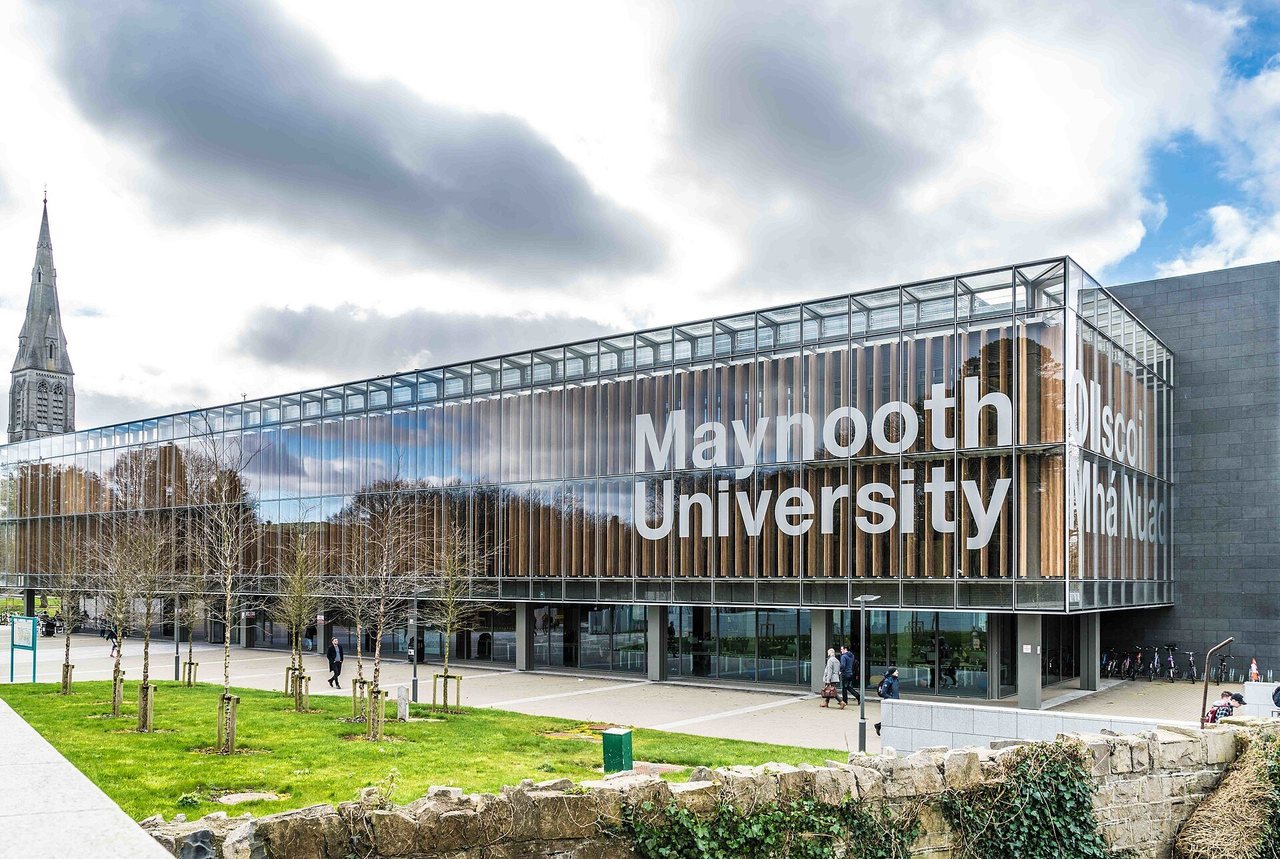
Irish Scientists Build a DNA Computer That Calculates With Molecules
Researchers at Maynooth University have developed a system that adds numbers in a test tube of water and salt. The process relies on the self-assembly of molecules and does not require a constant supply of electricity, unlike silicon processors.
Science
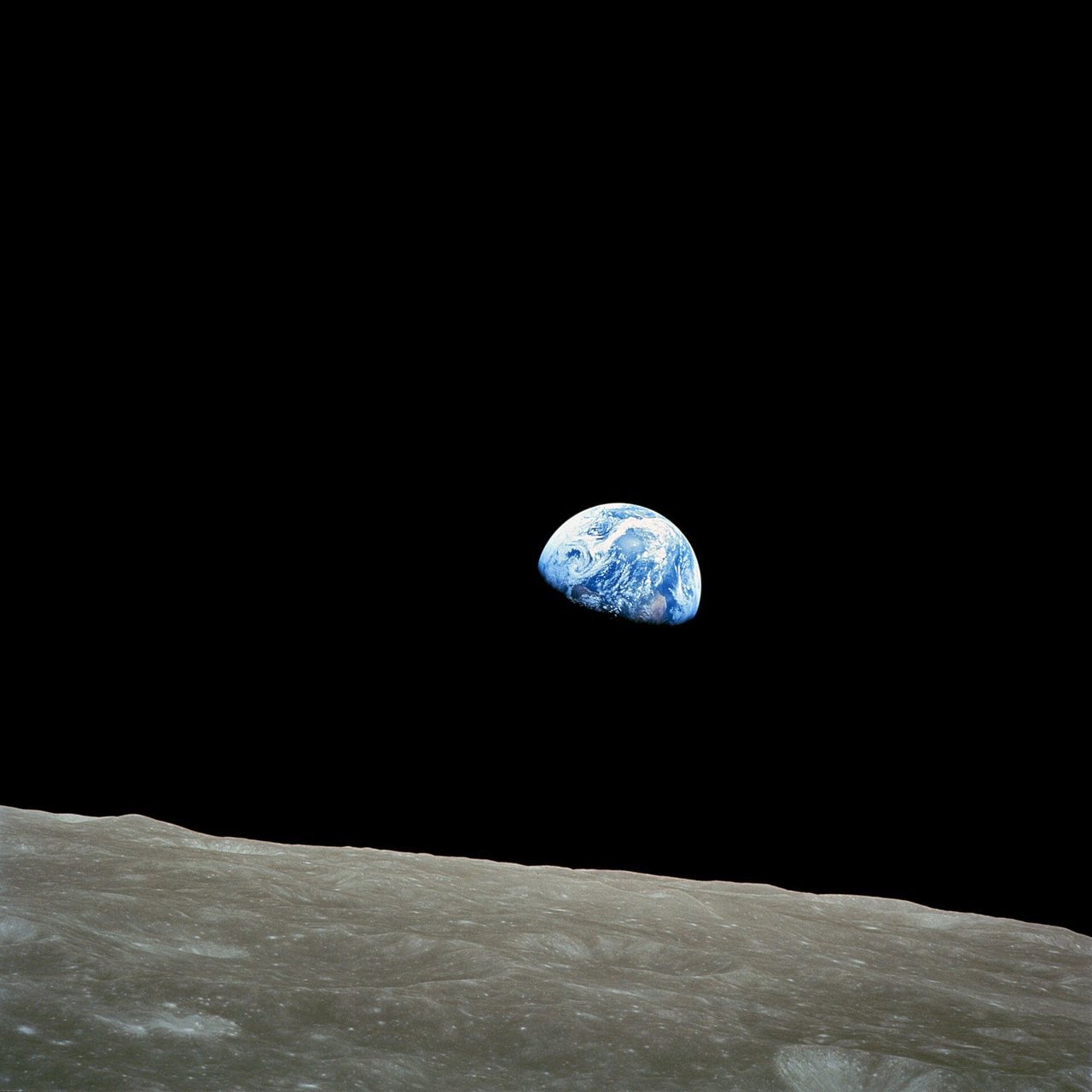
Coordinated Universal Time May Be Cut Loose from Earth's Rotation
The International Conference on Weights and Measures is preparing to abolish the "leap seconds" that cause problems for computer systems. As a result, the gap between atomic and astronomical time could reach one hour.
Science
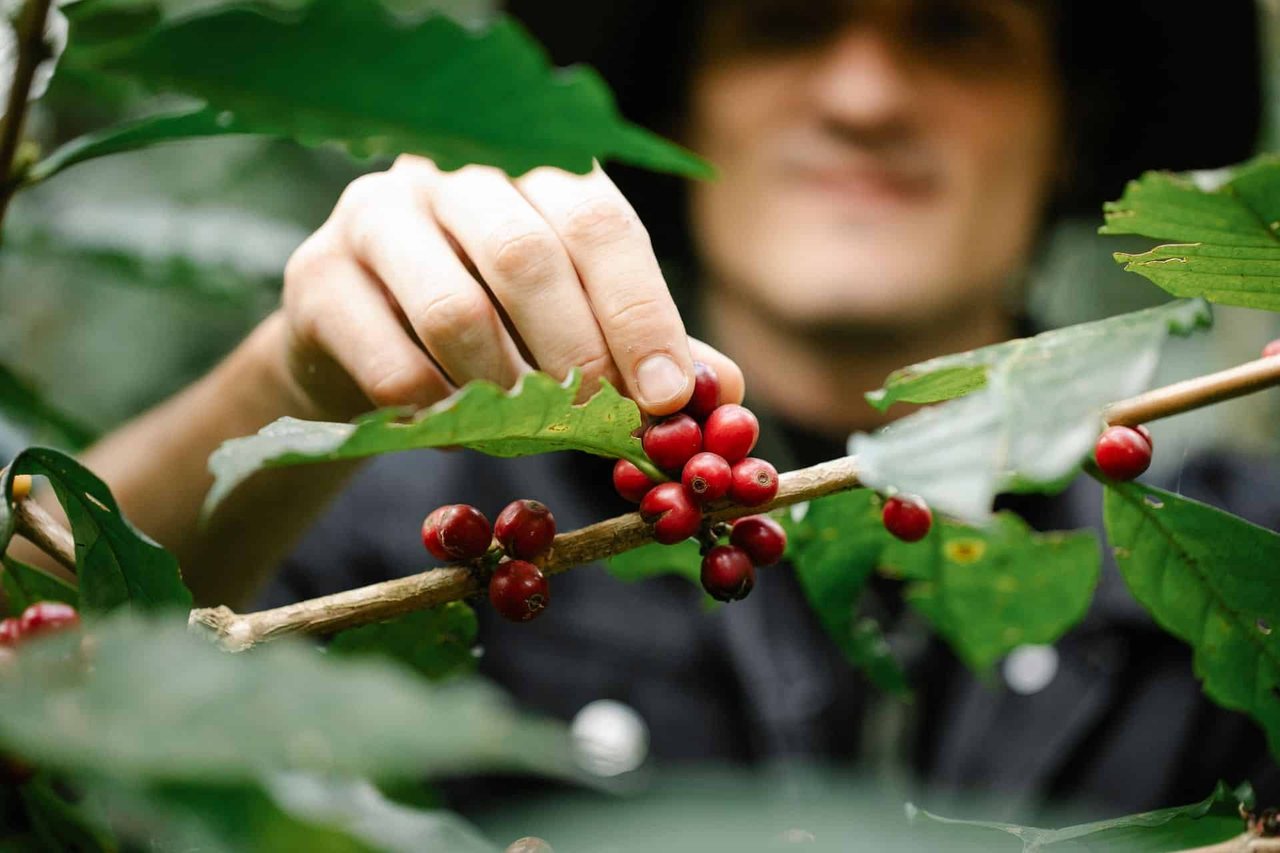
Sicily Grows Coffee Outdoors for the First Time in a Century
A family from Palermo is harvesting Arabica, a crop the island could not cultivate before because of the cold. The success became possible thanks to a warming climate, but that same warming is also creating new difficulties.

Science
Scientists Redefine Dyslexia for the First Time in 23 Years
The International Dyslexia Association has abandoned linking reading difficulties to general intelligence. The new approach is meant to help more children receive the support they need in learning.
Science
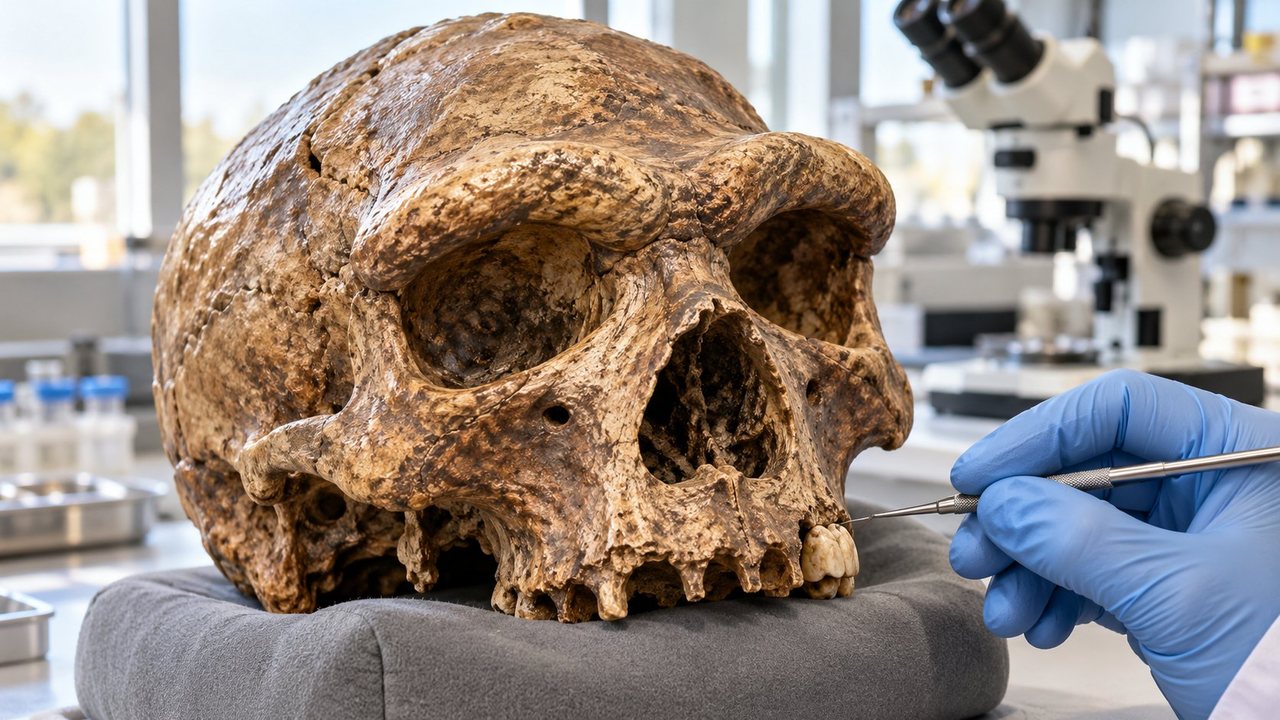
The "Dragon Man" from China Turns Out to Be a Denisovan
Two independent studies of ancient DNA and proteins have confirmed that a skull at least 146,000 years old, found in Harbin, belonged to a member of an extinct branch of humans. Scientists now have an almost complete portrait of the Denisovan.

Science News
How hawkmoths turned their genitals into bat-busting weapons
In arms race with bats, hawkmoths have evolved three distinct ways to make bat-busting ultrasound using their genitalia.
Live Science
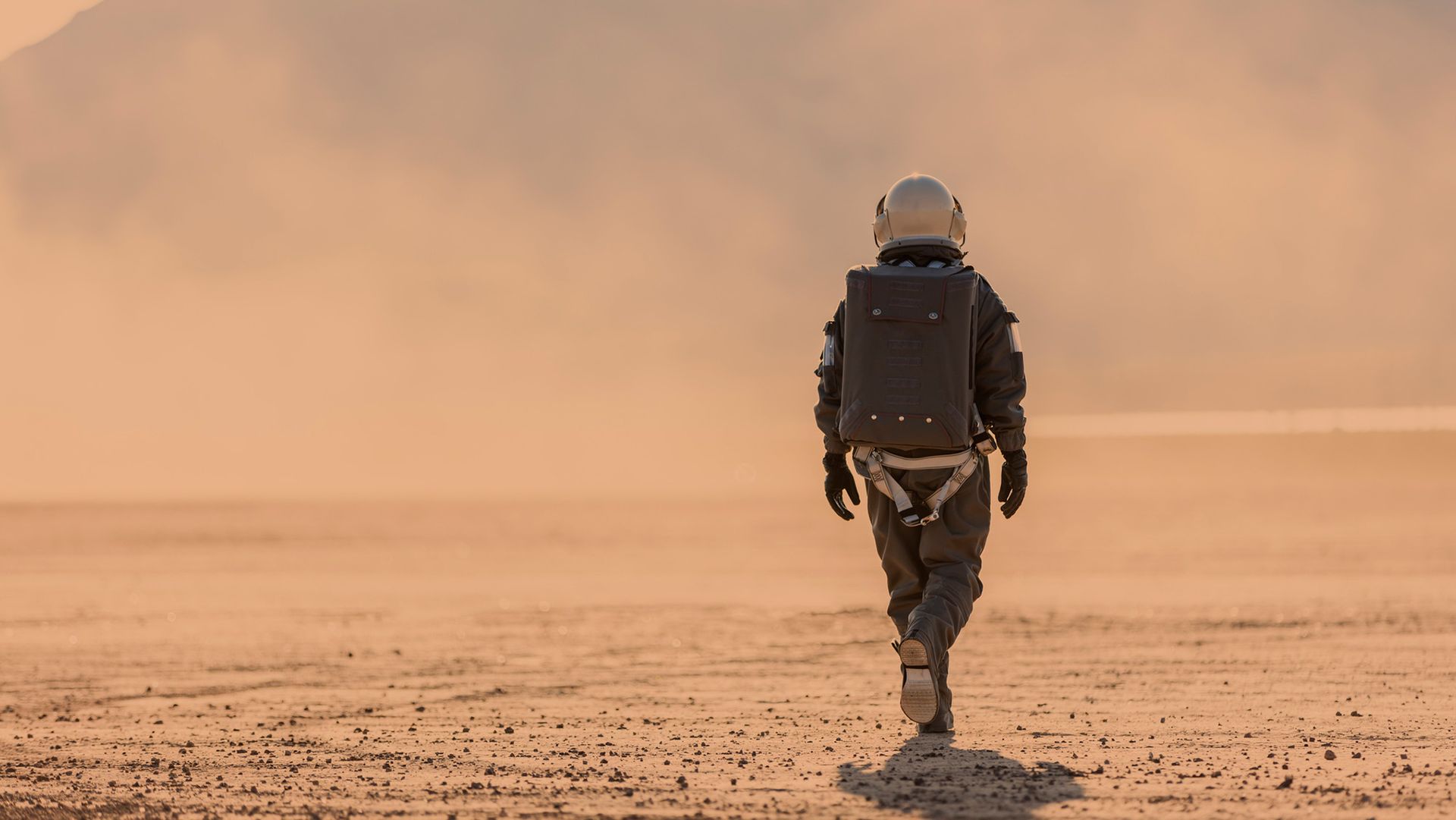
Would you risk your health to visit Mars?
A recent rat study hinted that cosmic radiation could pose health risks for future Mars explorers. Live Science asks its readers whether they'd take the journey anyway.
Live Science
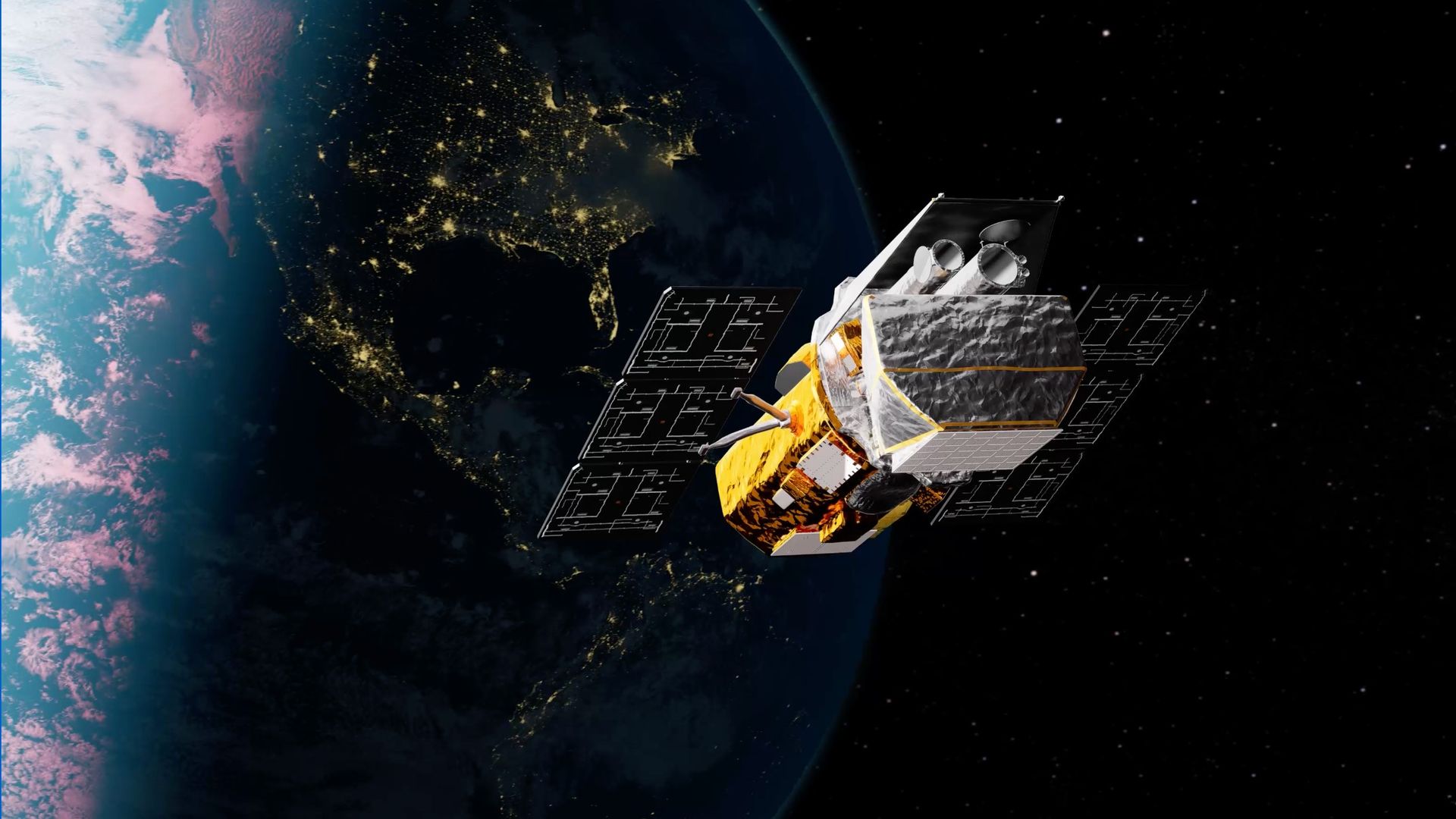
A 3,200-pound NASA spacecraft could fall to Earth tonight
NASA's Swift Observatory is about to make a fiery reentry through Earth's atmosphere after a private mission to save it failed. Most of the spacecraft will burn up in orbit.

Science News
Your voice can now say things you never said
Synthetic voices can restore speech, enable scams and outlive their owners. These uses raise questions about trust, consent and control.

Science News
A drug-free diabetes treatment? An implant lowers blood sugar in mice
The wireless implant rids mice's bodies of excess sugar on demand, and helps them shed weight. It could one day help treat diabetes and obesity.
Live Science
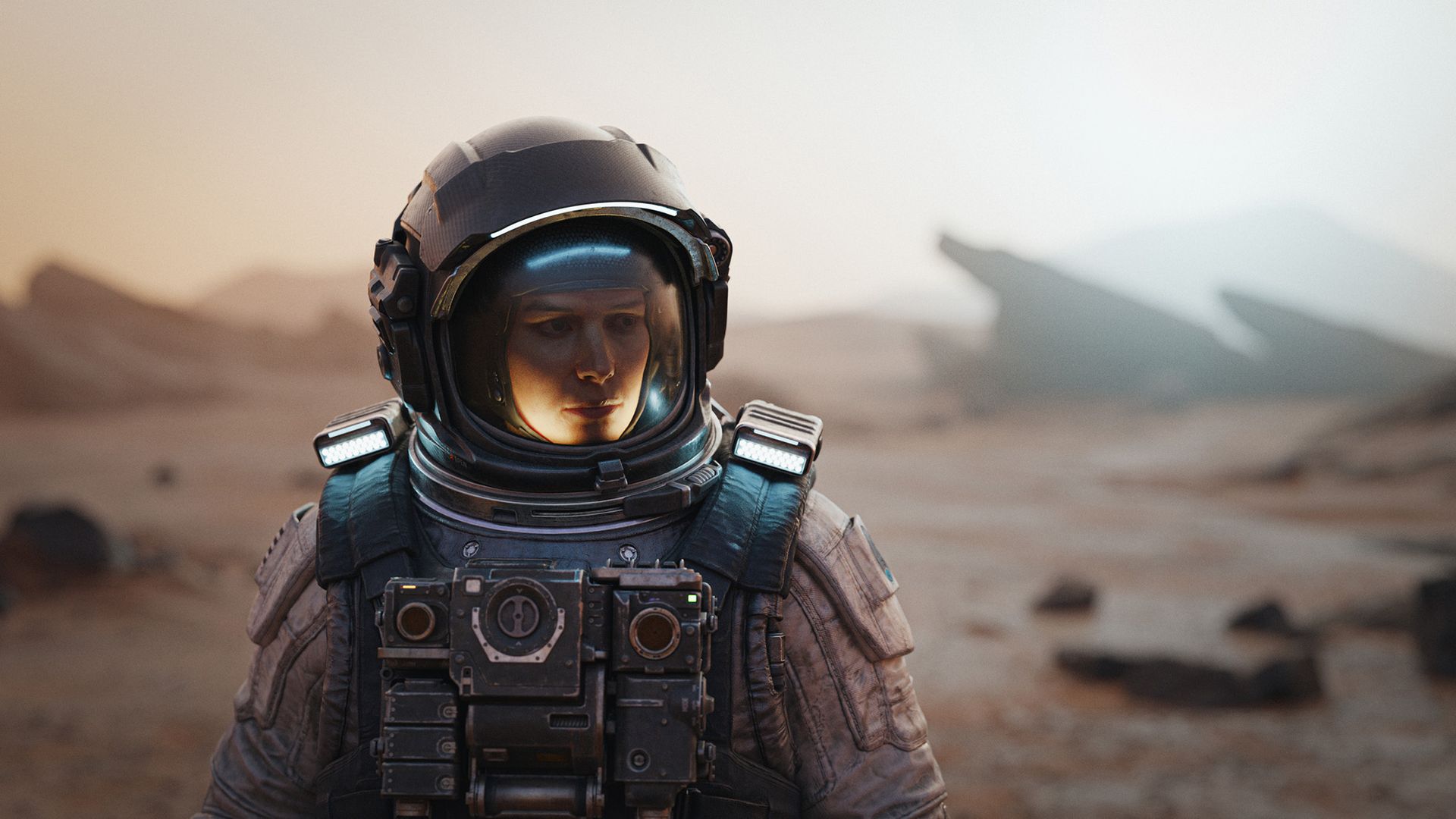
Mars-bound astronauts could face years of heart scarring, rat study hints
Rats that were exposed to radiation similar to what Mars-bound astronauts might face showed higher levels of scar tissue in their hearts, indicating they were more vulnerable to heart failure.
Live Science
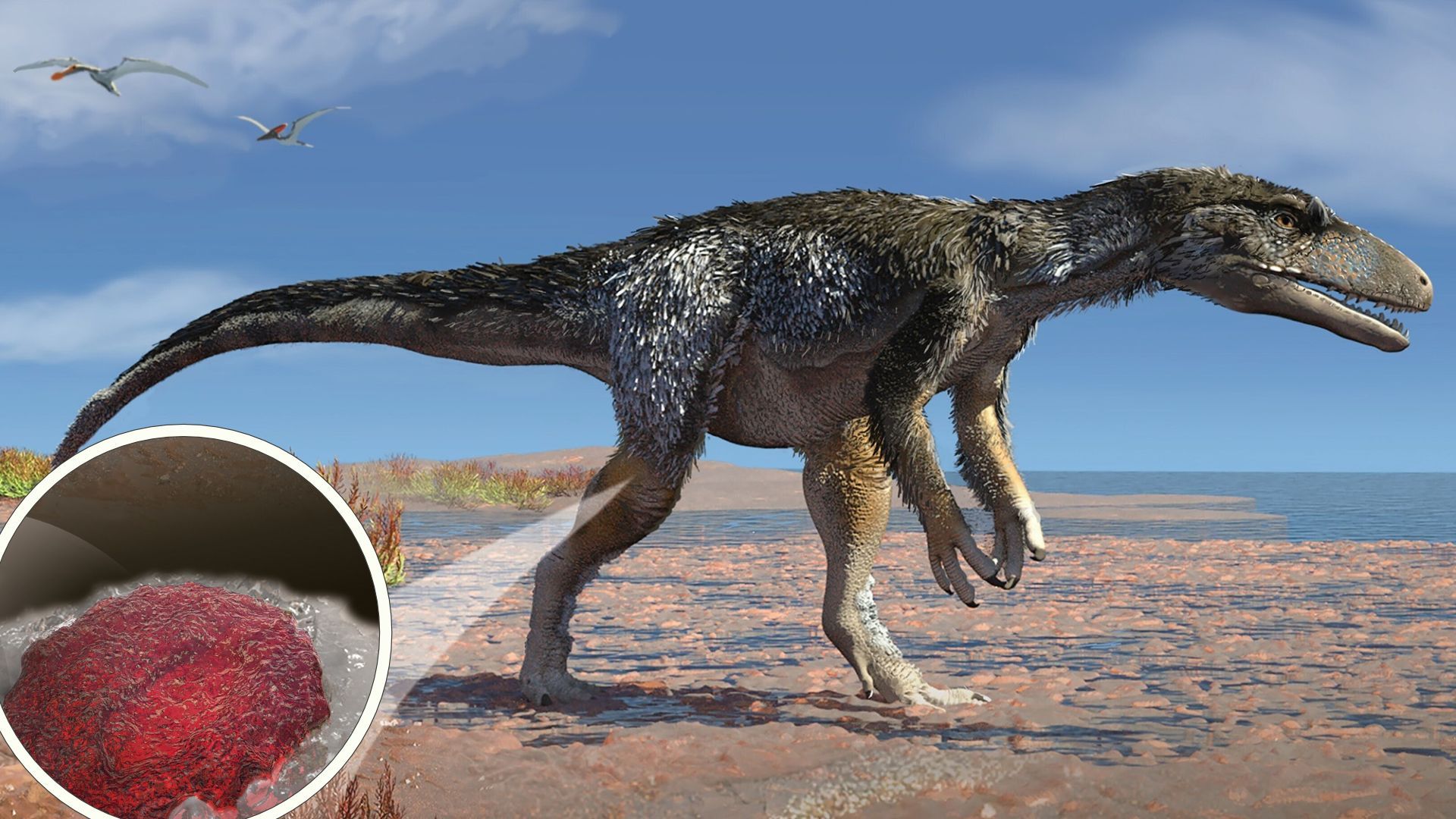
Traces of ancient blood found in 115 million-year-old dinosaur fossil, new study claims
Chemical signatures found in a Brazilian dinosaur bone may be preserved red blood cells, a new study suggests, but not all experts agree.

Science News
Newborn survival improves when families receive financial support
Rx Kids, a program that provides unconditional cash transfers for pregnant people and infants, reduced neonatal mortality in Flint, Michigan.
Live Science
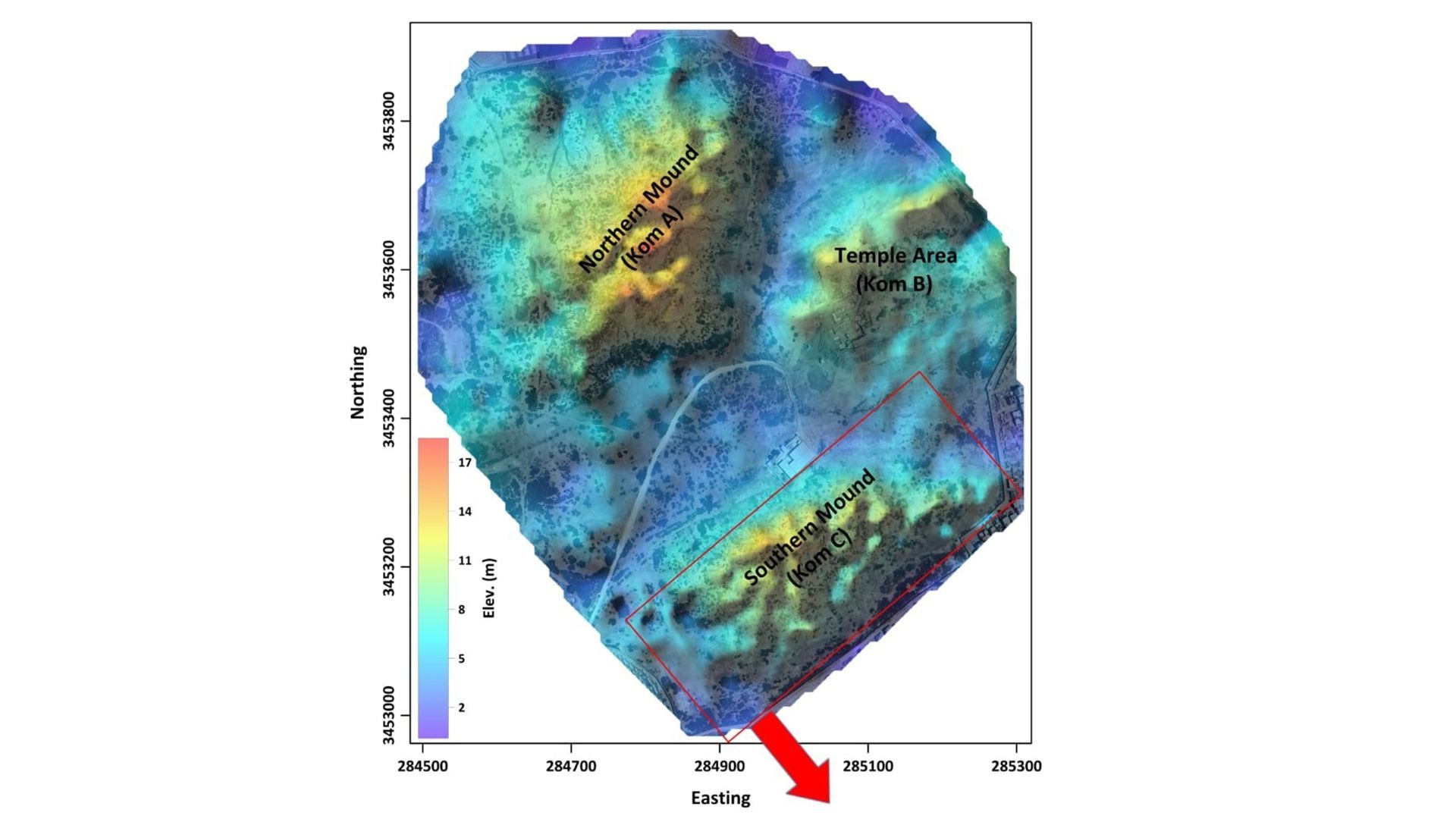
Buried for 2,600 years beneath Nile mud, a massive ancient Egyptian complex was just found — from space
Satellite radar and underground electrical scans have revealed a 2,600-year-old structure at Buto, one of ancient Egypt's most sacred cities. The real surprise wasn't the walls — but what was…
Quanta Magazine
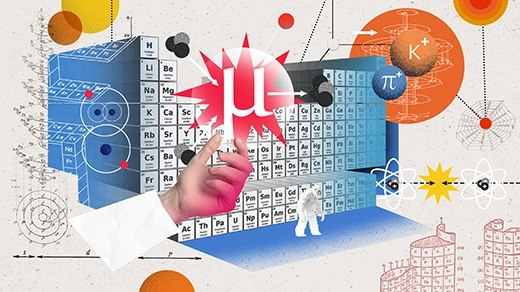
Is There Anything Left in the Dream of Cold Fusion?
Dig a little deeper and you’ll find a thriving research program with exotic atoms that won’t solve the energy crisis but stretches the boundaries of physics. The post Is There Anything Left in the…

Science News
Melting permafrost has birthed a new type of large landslide
Permafrost detachment slides involve large slabs of frozen earth thawing from below and then sliding downhill.
Live Science
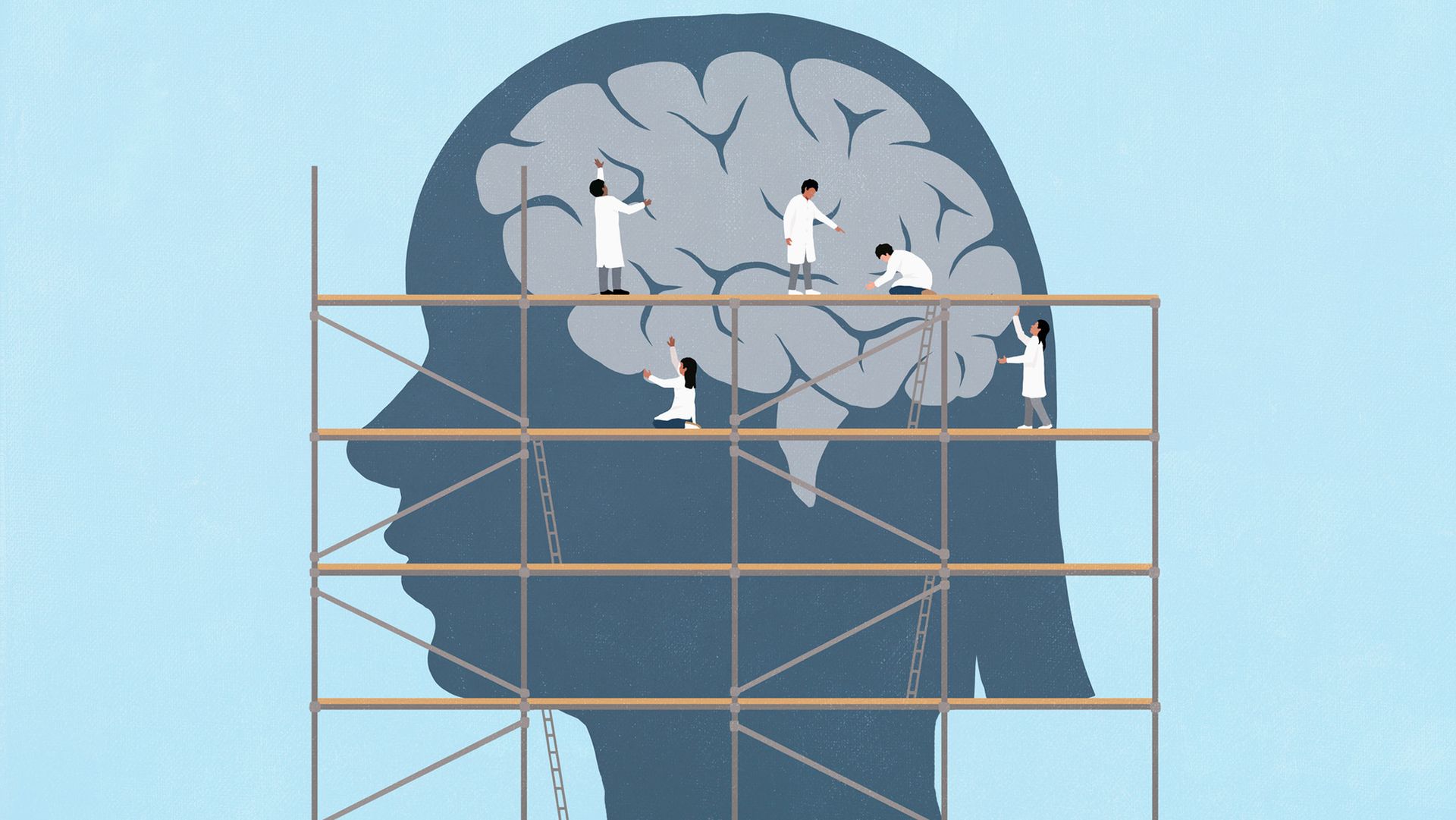
'Now you actually have a blood test': Psychiatry's bible, the DSM, is getting upgraded to include biological markers. A psychiatrist explains what that means for mental health.
The next edition of the "Diagnostic and Statistical Manual Of Mental Disorders" will include biological factors like genetics in studying and diagnosing psychiatric conditions, according to…
Quanta Magazine
Is There More to Cold Fusion Than Failure and Fraud?
Dig a little deeper and you’ll find a thriving research program with exotic atoms that won’t solve the energy crisis but stretches the boundaries of physics. The post Is There More to Cold Fusion…

Science News
This Halloween, amateur astronomers may be in for a dwarf planet treat
The Vera Rubin Observatory is shedding new light on the faraway regions by Neptune and beyond, including possible solar system building blocks.

Science News
‘Exhumed’ recounts the true story of America’s first vampire
Science, history and fear intersect in a new book from award-winning podcast creator Aaron Mahnke.

Quanta Magazine
A New Map of ‘Empty’ Space Challenges a Tranquil Picture of the Galaxy
For decades, astronomers treated the interstellar medium as a static backdrop to the goings-on of the universe. Now, a wave of 3D mapping is bringing the interstellar medium’s dynamic nature into…
Smithsonian
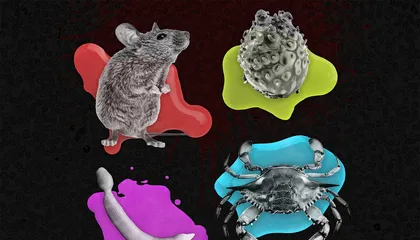
The Bloody Palette of the Animal Kingdom Goes Far Beyond Red. These Creatures Have Blood That Runs a Chilling Blue, Bright Green or Milky White
The hemoglobin in humans’ blood is not the standard for all critters—and one group of Antarctic fish are the only vertebrates to not have red blood cells at all
Quanta Magazine
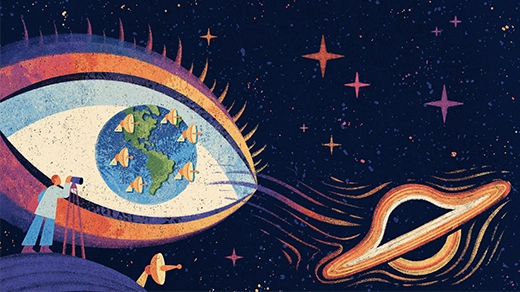
How Do You Take a Picture of a Black Hole?
Astrophysicist Shep Doeleman explains how capturing the first image of a black hole required a telescope the size of the world, and why the next goal is to create a movie. The post How Do You Take a…
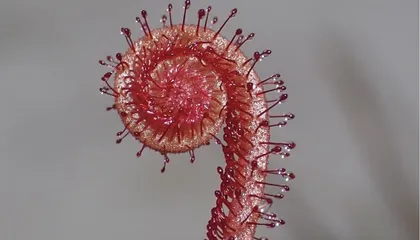
Smithsonian
The World's Newest Carnivorous Plant Is a Red Sundew That 'Death Hugs' Its Insect Prey. Its Survival Depends on a Rare and Disappearing Florida Habitat
Confined to hidden sinkhole lakes in the Panhandle, the Florida threadleaf sundew is both a discovery and a warning bell for a vanishing ecosystem that’s long been ignored
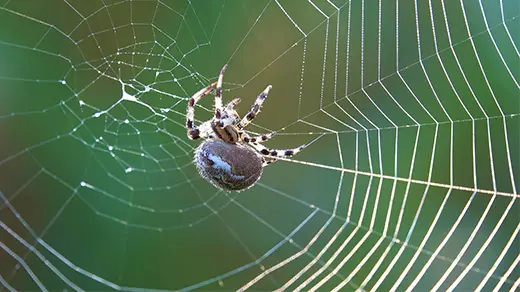
Quanta Magazine
How Spiders Spin ‘Silk Dope’ Into Nature’s Toughest Material
By probing its molecular structure, biologists are uncovering how a tangle of unstructured proteins turns into a strong, flexible fiber. The post How Spiders Spin ‘Silk Dope’ Into Nature’s Toughest…
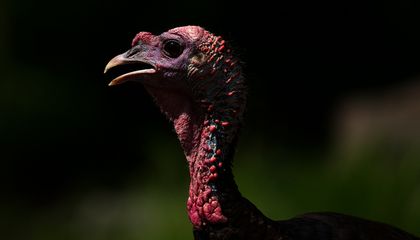
Smithsonian
Ben Franklin Wasn’t Serious When He Implied the Wild Turkey Would Be a ‘Respectable’ National Symbol … but He Wasn’t Wrong, Either
The birds strutted around North America for hundreds of thousands of years before hunters decimated their population. Credit its recovery to resourcefulness, a stubborn disposition and a little help
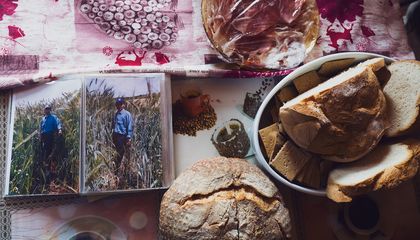
Smithsonian
An Italian Farmer Found Some Unknown Seeds in His Attic and, With Nothing to Lose, Planted Them. The Result Was Almost Biblical
When a seven-eared stem emerged from the ground, it seemed like a miracle. What Claudio Grossi had unearthed was an ancient grain that proved to be an answer to some modern problems
Smithsonian
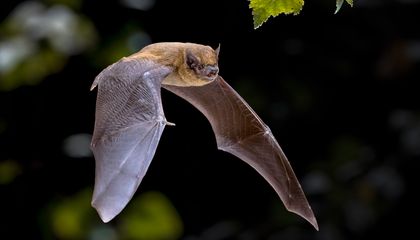
Bats Thrive in a Messy, Noisy World. These Four Discoveries Reveal How They Can Listen and Chatter Through the Din
From eavesdropping to echolocation tricks, science is giving us an inside look into how various bat species weaponize sound
Smithsonian
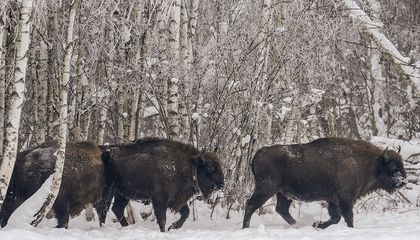
Bison Used to Roam Eastern Europe Before They Neared Extinction. Now Researchers in Poland Want to Create a Suitable Home Where They Can Thrive
Once nearly extinct, wisent adapted to life in the Bialowieza Forest. Human intervention kept them from disappearing, and now humans are trying to return them to their true habitat

Quanta Magazine
How Voting Is Like a Klein Bottle
A new topological model connects a centuries-old voting paradox to a surface with no distinct inside or outside. The post How Voting Is Like a Klein Bottle first appeared on Quanta Magazine


