
A cruise liner conceived as a floating home for a permanent round-the-world voyage has halted its route in Cambodia. The American company Villa Vie Residences, the vessel's operator, informed passengers that it had run out of money for fuel.
The project began in 2024. The company bought and refurbished a liner built in 1993 and named it Odyssey. The idea was for the ship to be permanently under way, completing one circuit of the globe every three and a half years, with calls at more than 400 ports in 147 countries. Residents could rent a cabin or buy the right to live in one for a term of at least 15 years. The purchase price ranged from $120,000 to $440,000, with monthly maintenance fees on top. On board were restaurants, a swimming pool and a gym.
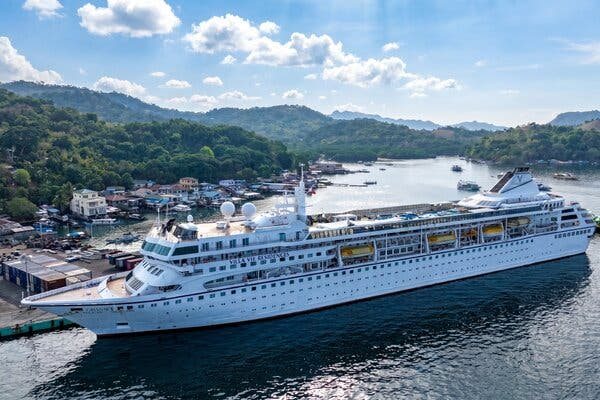
Over the two years of the voyage, the liner never managed to fill all its cabins. According to the company, after the start of the war with Iran, fuel costs per cabin rose from $1,800 to $8,000 a month. The operator tried to cut costs: the ship sailed more slowly and stayed longer in port, and passengers were asked to pay supplementary fees. However, these measures proved insufficient.
In the Cambodian port city of Sihanoukville, the voyage came to a stop. There were 203 passengers from 15 countries and 156 crew members on board at that moment. The company promised to pay for temporary accommodation and transport on site, but passengers will have to make their own way home from Cambodia. The operator expects to find funding within 60 days in order to resume the cruise.
The legal status of passengers who paid for long-term residence is unclear. As lawyer Viktoria Zhdanova explained to journalists, their contract differs from a standard contract of carriage. If the company goes bankrupt, passengers would have to file their claims in court as creditors. However, in her words, the contracts may have been concluded not with the shipowner but with an intermediary company, which may have no significant assets.
The passengers concluded an agreement that is not a standard contract of passenger carriage and at the same time is a kind of innovation, so it is very difficult to classify it formally. Simply disembarking passengers in Cambodia, because the vessel is not going any further, I think the shipowner had no right to do, because if they hold property rights to the cabins, then the passengers have the right to use them.
— Viktoria Zhdanova, lawyer


Letters