
In Dong Thap Province in southern Vietnam lies Sa Dec, one of the principal centers of flower cultivation in the Mekong Delta. Its gardens differ from the familiar fields: instead of beds on the ground, pots of flowers stand on tall racks of bamboo or concrete. Beneath them runs a network of canals linked to the distributaries.
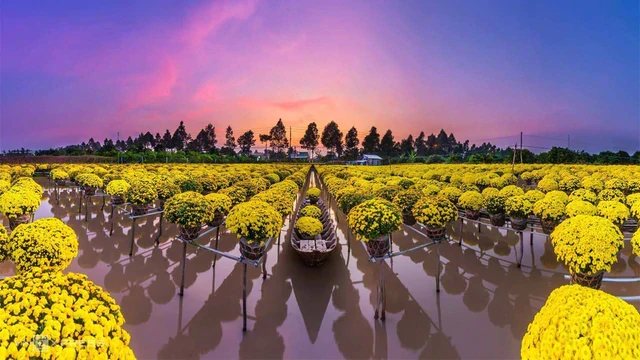
This way of farming took shape as a response to the local landscape. The village lies in a low-lying area prone to flooding. By raising the plants above the ground, gardeners protect them from floodwaters while also keeping the soil consistently moist. Traditional growers tend to their flowers, watering them or harvesting, by moving along the canals in small boats.
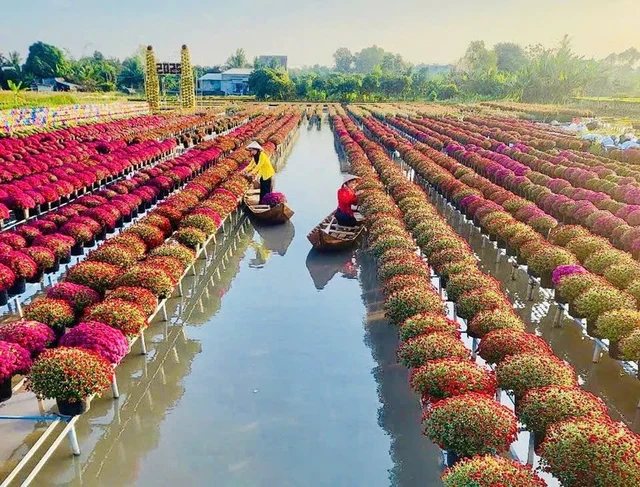
The image of a person in a boat drifting between rows of chrysanthemums or ornamental shrubs has become a symbol of Sa Dec. Flower cultivation here dates back to the late 19th century. It began with a few gardens in the Tan Quoi Dong area, where flowers were grown for local needs. Thanks to the conditions along the Tien River and accumulated experience, the craft developed quickly.
Today, according to Vietnam's Ministry of Culture, Sports and Tourism, Sa Dec's flower plantations cover nearly a thousand hectares, employing about four thousand families. They grow more than two thousand plant varieties, from seasonal flowers such as chrysanthemums, marigolds and petunias to old and artfully shaped ornamental plants. At the end of 2025, the ministry included Sa Dec's flower cultivation in the national list of intangible cultural heritage.
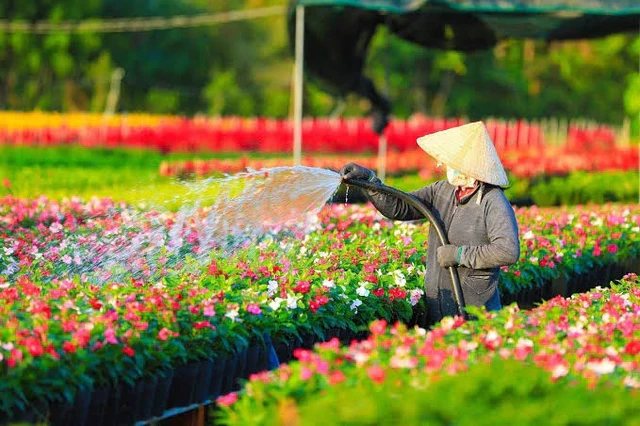
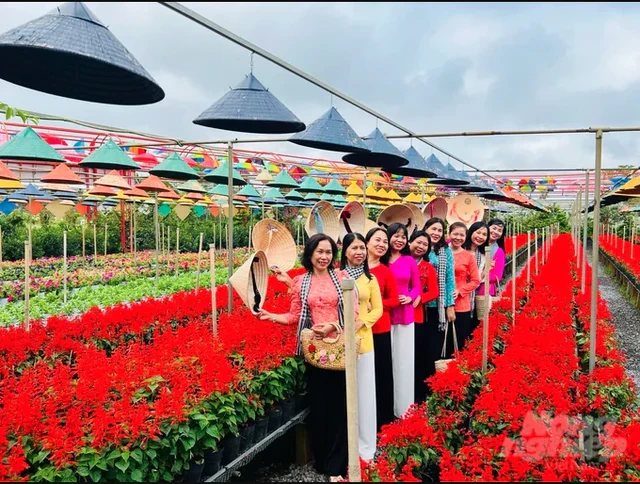
The village supplies flowers not only to the domestic market but also abroad. Many farms have begun combining horticulture with tourism, laying out paths, viewing platforms and places to rest. Visitors can not only buy plants but also see how they are cared for.
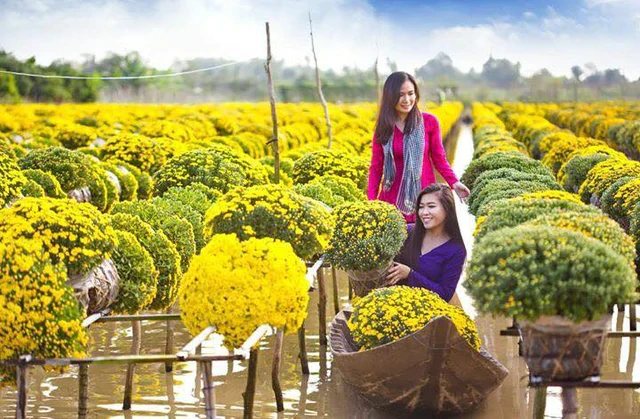
Flowers are grown in Sa Dec all year round, but the busiest time is the weeks before the lunar New Year, Tet. During this period the gardens fill with chrysanthemums and marigolds, which bloom at the same time. Local guidebooks advise visiting early in the morning, when the light is softer and the gardeners are just starting work.
Admission to the traditional gardens is usually free, but some private farms and recreational areas may charge a fee. Visitors should not enter the plant racks without permission: they are meant for work, not for strolling.


Letters