
Hawaii and Easter Island are separated by some seven thousand kilometres of ocean, a distance comparable to the journey from San Francisco to the capital of Peru. A new genetic study has shown that ancient seafarers from the Easter Island region crossed this vast expanse and settled Hawaii. No written record of the voyage has survived, but its traces remain in the DNA of the islands' present-day inhabitants.
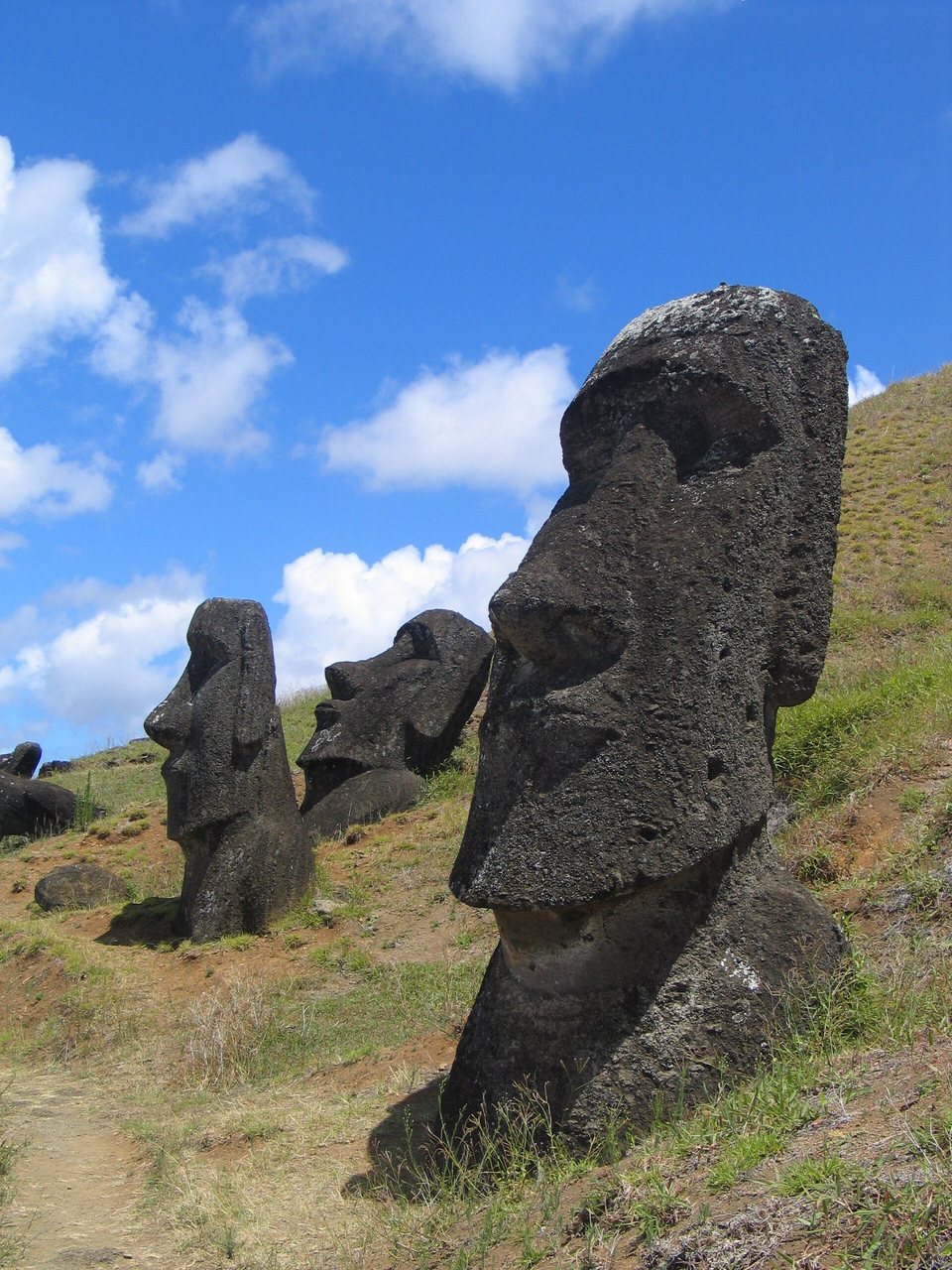
The link between the islands was uncovered by scientists at Stanford University, who analysed the genomes of more than a thousand people from across Polynesia. Their work, published in the journal Science, extends the route of settlement that was previously thought to end at Easter Island. Hawaii is the only Polynesian island group in the Northern Hemisphere, and the path to it was a long one.
To trace kinship ties, the researchers identified segments of the genomes of Polynesian origin, excluding later admixture, for example from Europeans and Asians. They then compared the shared stretches of DNA among residents of different islands. Such stretches, inherited from a single common ancestor, are called identity-by-descent segments. The longer a shared segment, the closer the relationship.
Native Hawaiians were found to share the most of their Polynesian genetic material with the people of Easter Island, and also with the people of Mangareva, an island almost three thousand kilometres from Easter Island. According to Alexander Ioannidis, one of the senior authors of the study, this points to a culture capable of exceptionally long voyages. The seafarers who reached Easter Island from Mangareva possessed skills sufficient for the journey on to Hawaii as well.
The genetic analysis also made it possible to estimate the number of the first settlers. On Tahiti, where the most data has been collected, the founders of the population numbered around 800 people, arriving at about 1070. This estimate refers to a single generation of people of reproductive age and does not include children or the elderly.
Every new settlement on the islands shaped the gene pool of future generations. When a small group separates from a larger population, it carries away only part of that population's genetic diversity. This process, known as the "founder effect," can make gene variants that are rare elsewhere in the world more common among descendants, including variants linked to disease. In Polynesia, small groups of people founded settlements on islands one after another over the course of centuries.
Among eastern Polynesians, such as native Hawaiians, the founder effect is more than ten times stronger than in the well-studied populations of European descent.
— Alexander Ioannidis, Associate Professor, Stanford University
The researchers examined three genetic variants recently linked to recessive diseases, that is, those that manifest when a copy of the gene is inherited from both parents. These variants are associated with dislocation of the eye's lens, progressive vision loss and renal failure. They are almost absent from global databases, but among eastern Polynesians, between 2 and 3 percent of those examined turned out to be carriers. This frequency matches the standard thresholds at which doctors recommend genetic screening.


Letters