
In the early stage of operations at the new Long Thanh International Airport, road transport will be the main means of connection with Ho Chi Minh City. Airports Corporation of Vietnam (ACV), together with the authorities, is developing a plan to launch buses, shuttles for transfers between the airports, and a public transport network for passengers.
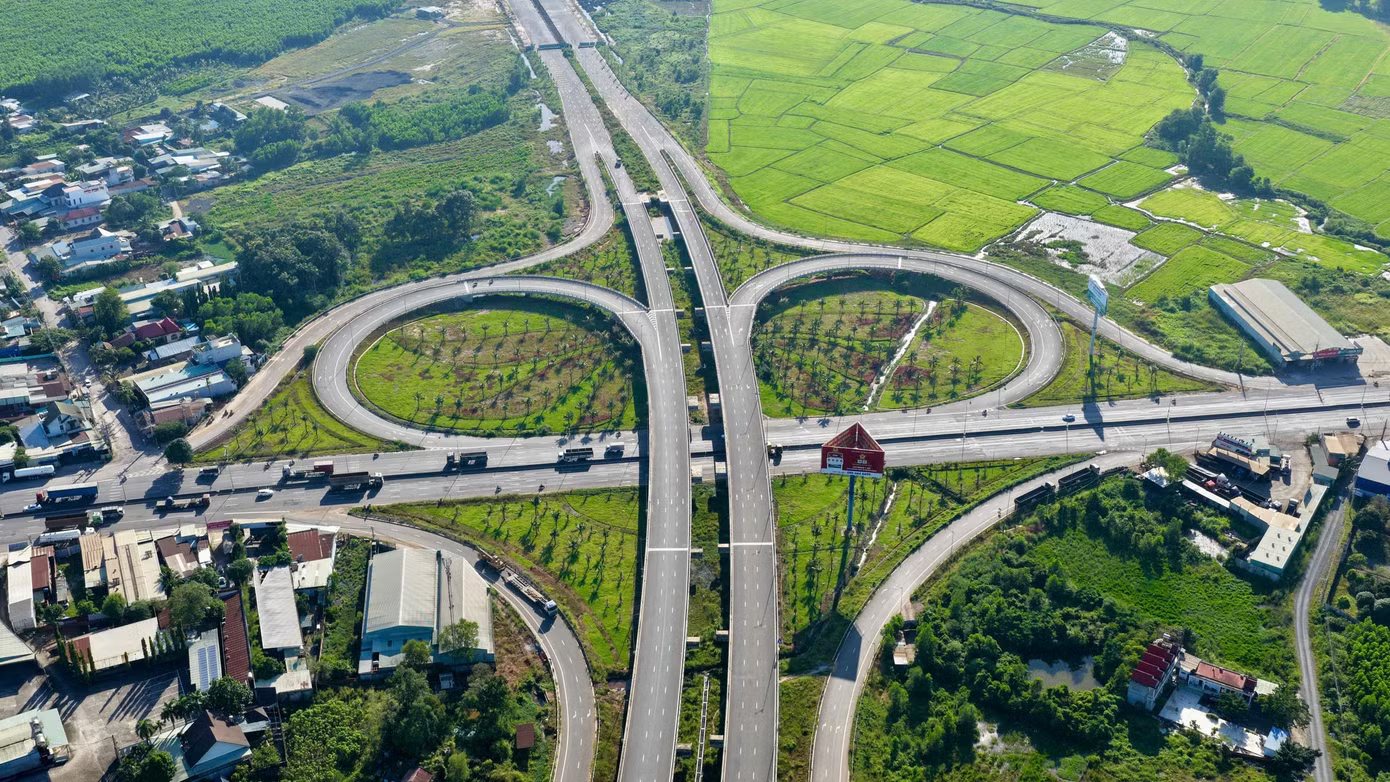
The corporation said that transport links between Ho Chi Minh City and Long Thanh Airport are critical to its efficient operation. Most passengers on international flights are expected to come from Ho Chi Minh City and its surrounding areas. Until the railway lines to the airport are commissioned, passengers will have to travel by road.
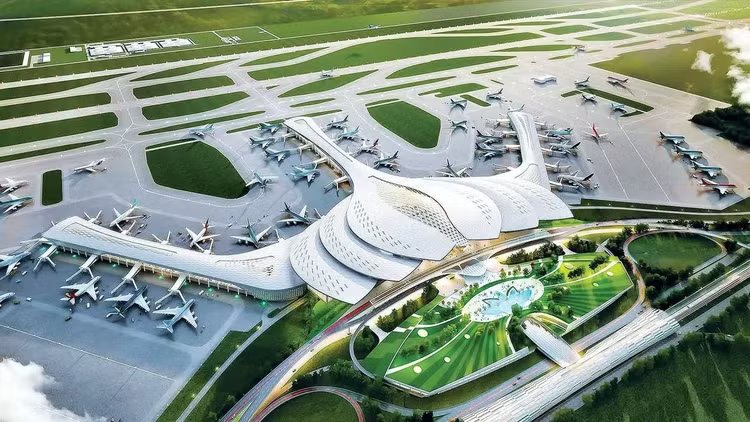
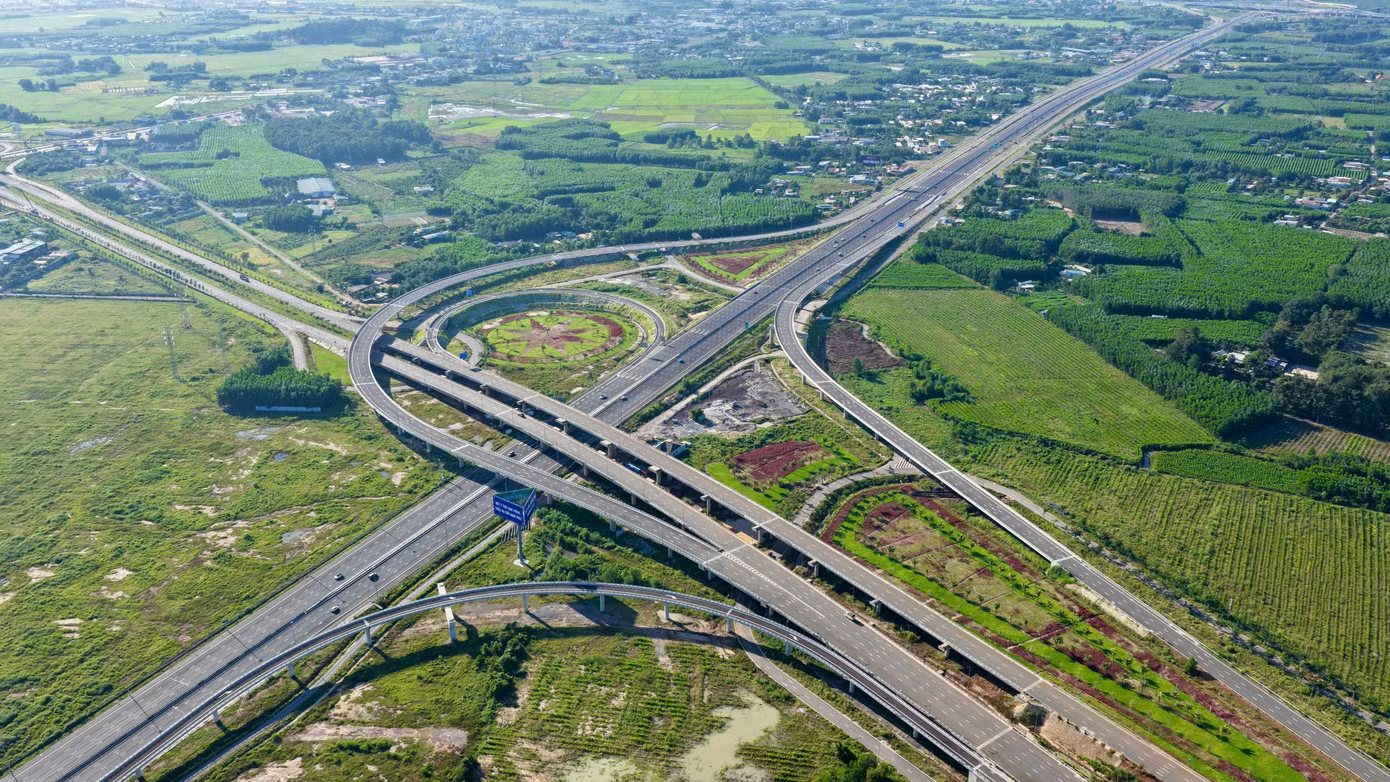
Two main routes are under consideration. The first is via the Ho Chi Minh City – Long Thanh – Dau Giay expressway, using the Nhon Trach Bridge, Ring Road No. 3 and National Highway 25C. The second is via the same expressway, with an exit onto the Bien Hoa – Vung Tau highway and then on to the airport interchange.
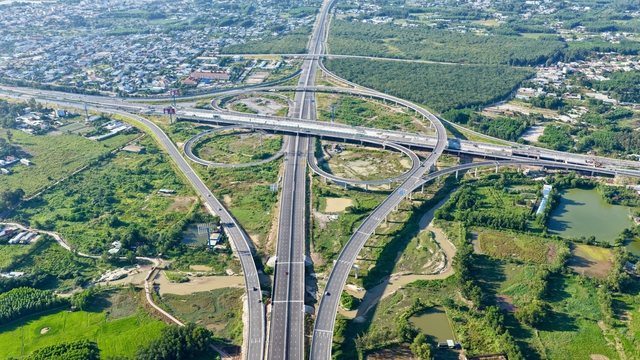
Agencies and local authorities are currently studying how to organize traffic, regulate flows and develop high-capacity public transport. The goal is to make the road to the airport convenient, safe and predictable in terms of travel time.
ACV is preparing to launch special routes for passengers who need to transfer between the old Tan Son Nhat airport and the new Long Thanh. To this end, shuttles are planned to run along the expressways. Their timetables will be coordinated with flights, especially during peak hours. The transport network, including buses and shuttles, should operate around the clock for the convenience of passengers, crews and airport staff.
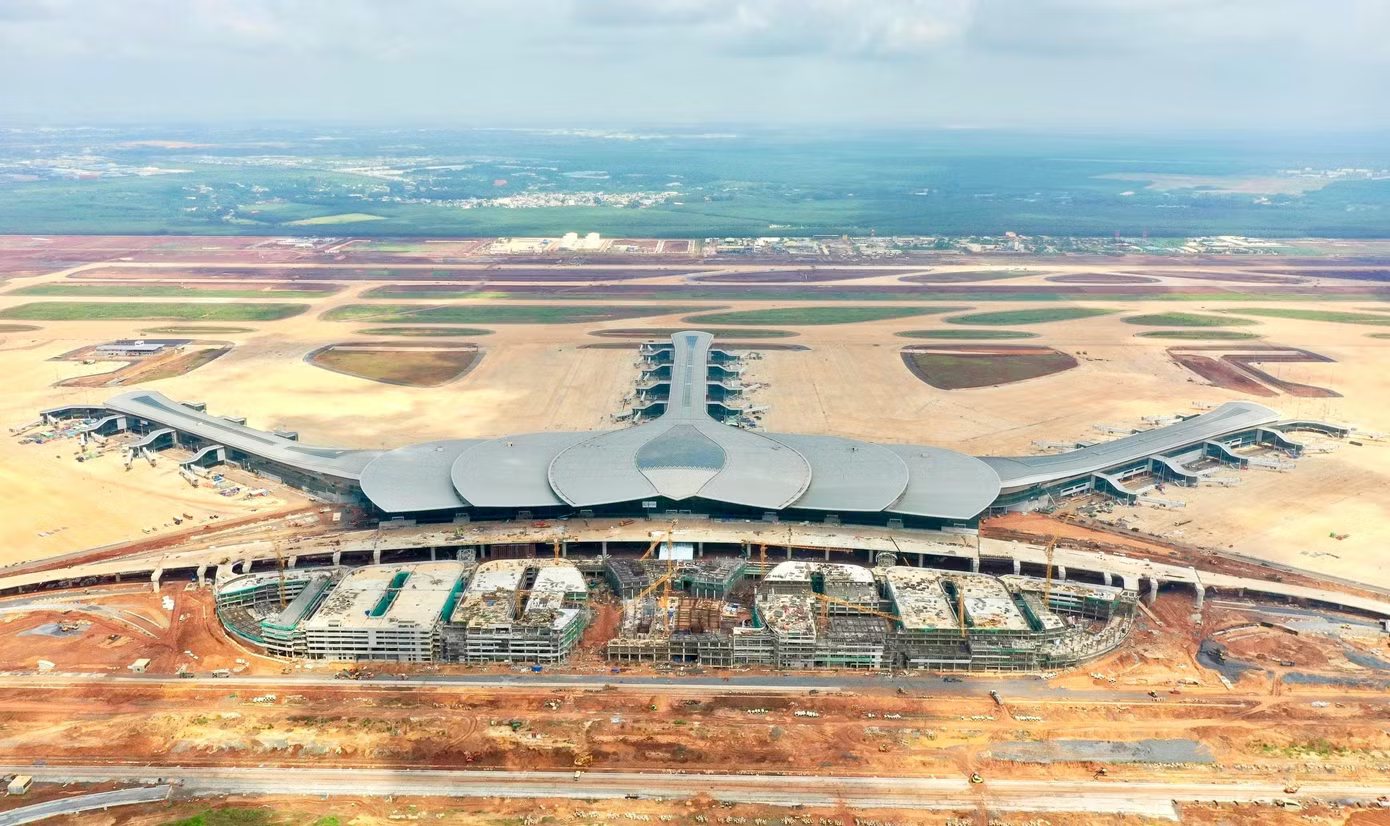
The corporation proposes giving buses and shuttles to the airport priority at key road junctions. This will help stabilize travel times. Plans also include creating a network of stops for airport transport in the cities, with a unified system of signage so that they are easy to find.
Construction of Long Thanh airport in Dong Nai province was approved in 2015. The total cost of the project exceeds $16 billion. In 2026, the final stage will begin: synchronization of infrastructure, equipment and technologies, as well as trial operation. Opening for commercial flights is scheduled for the end of the year.


Letters