
The road from Ulaanbaatar to Khentii province is part of the journey in itself. It leads deep into the country along country tracks, across open meadows and stretches where the nearest settlement seems very far away. After several hours on the road, a blue lake appears at the wooded slopes of Mount Khar Zurkh. This is Khukh Nuur, or the Blue Lake, the place where in 1189 Temujin, the future Genghis Khan, was proclaimed khan. This is how the medieval Mongolian epic The Secret History of the Mongols describes it.
There are no developed tourist facilities on the lakeshore; its appeal lies precisely in its remoteness. A trip here offers the chance to spend time in nature, meet nomadic families and understand why this corner of Khentii province remains off the well-known Mongolian routes.
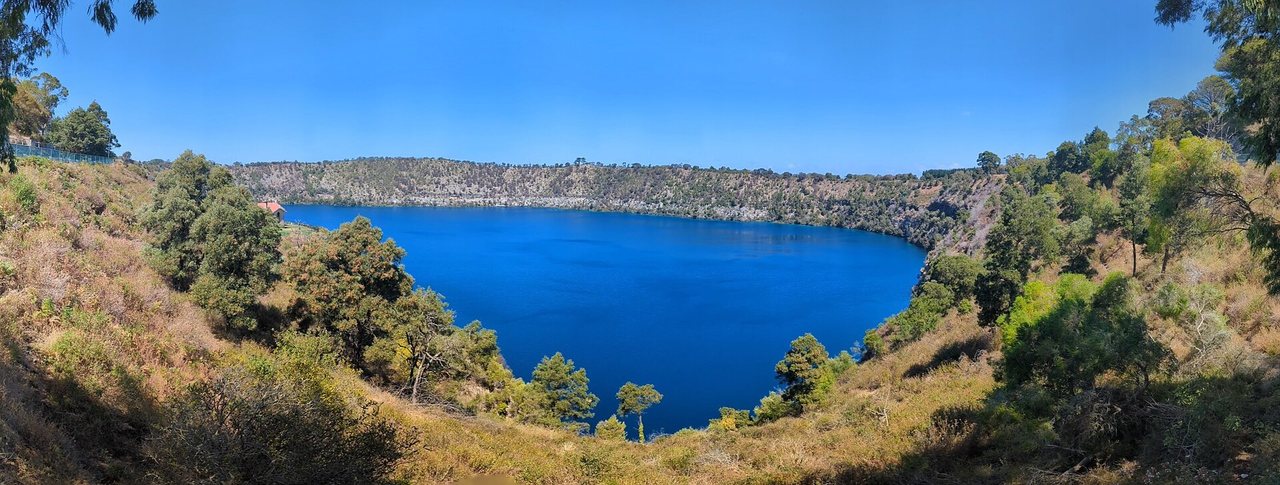
Khukh Nuur consists of two interconnected freshwater lakes surrounded by meadows and the wooded slopes of the Khar Zurkh range. They lie about 220 kilometers from Ulaanbaatar, and the final stretch runs off-road, so the trip requires a four-wheel-drive vehicle and an experienced driver.
For those interested in history, the main site is the southern shore. A stone foundation about 15 meters wide is believed to mark the spot where Temujin's yurt stood. Nearby stands a memorial complex dedicated to the lake's connection with Genghis Khan's rise to power. Around the monument stand 36 carved wooden figures depicting the great khan's descendants, and at the center are figures of his parents and his wife Börte. At the entrance stand nine more statues representing his commanders.
Historical details require clarification. Sources give different dates for Temujin's proclamation as khan, both 1189 and 1206. The Secret History of the Mongols is the key source linking Temujin, Khukh Nuur and Mount Khar Zurkh. Modern guidebooks sometimes conflate the proclamation as khan in 1189 with his later recognition as founder of the Mongol Empire.
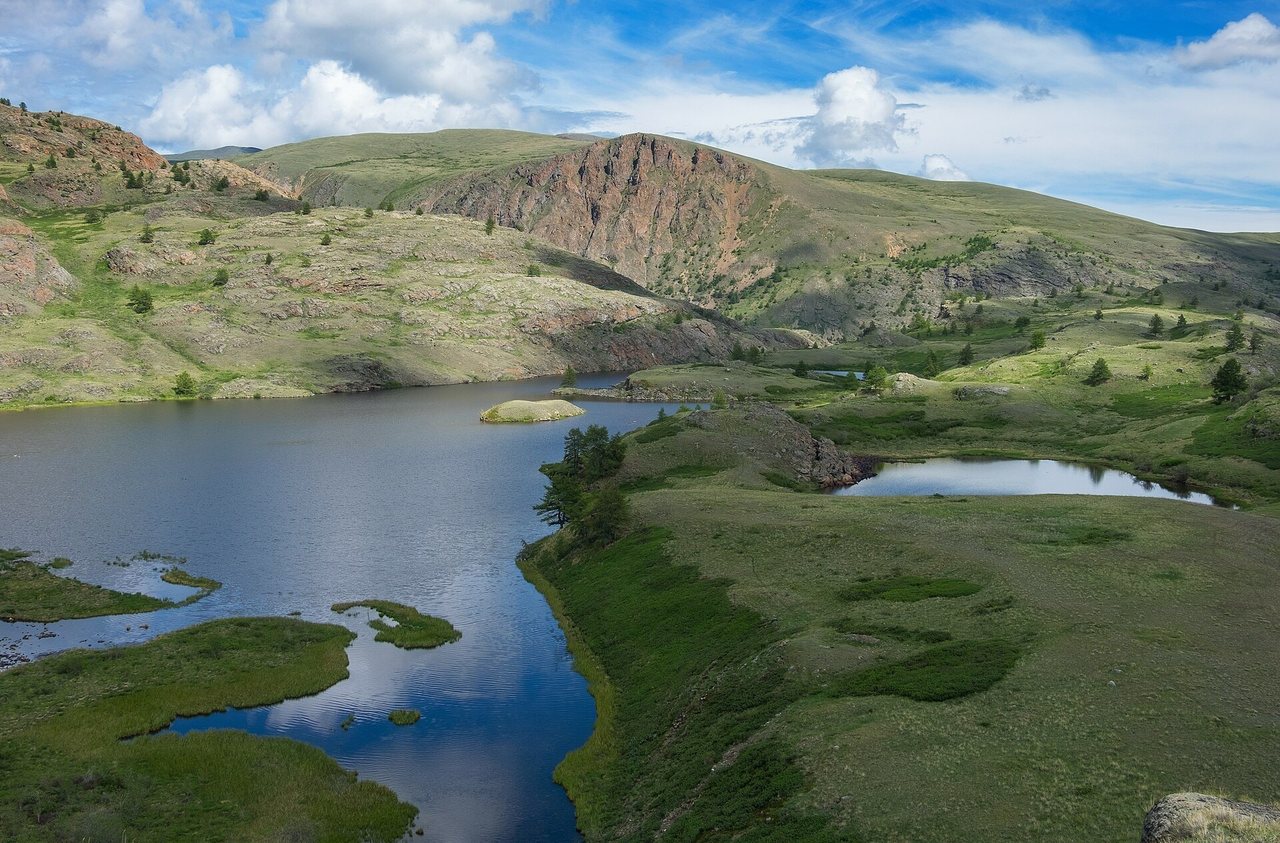
Beyond the memorial, it is worth climbing the surrounding slopes for views over the lake and the forest. The region is home to migratory and resident birds, including cranes, geese and birds of prey, so birdwatching may be one more reason to linger.
The best way to get to know Khukh Nuur is not to rush. Local camps and guides can arrange a horseback ride through the surrounding valleys. Hiking trails are not marked, but even a short walk across open meadows and pine-covered hills is a pleasure.
Herding traditions remain strong in Khentii province, and nomadic families move with their livestock according to the season. If the route allows, you can visit a family, learn about herders' daily life, help with everyday chores or simply sit in a yurt over tea. An invitation into a nomad's home can tell you more about the region than any monument.
There are no restaurants by the lake. Food is prepared in camps, by tour group cooks or by host families. Typically this means buuz, steamed meat dumplings; khuushuur, deep-fried meat pastries; and tsuivan, hand-cut noodles stir-fried with meat and vegetables. Another dish worth trying in Khentii is khorkhog: mutton and vegetables cooked with hot stones in a sealed metal pot.
Breakfast may include bread, eggs and dairy products. Suutei tsai, Mongolian salted milk tea, is drunk everywhere. In a nomad's yurt you may be offered homemade yogurt, cheese and other dairy products. Travelers should mention any dietary restrictions in advance, as food choices in rural areas are limited.
A visit to Khukh Nuur is best included in a longer route through Khentii province. From the lake you can head to Baldan Bereeven Monastery. It was once a major Buddhist center with thousands of monks, but was destroyed in the 1930s. Part of the complex has now been restored. Another option is to head toward the settlement of Dadal and explore the region of the Onon and Balj rivers. The road passes through forests, pastures and small settlements. Some routes also include Delüün Boldog, an area traditionally associated with the birthplace of Genghis Khan.
The best time to travel to Khukh Nuur is the warm months, from June to September. Meadows are green then and roads are more passable, although rain can wash out dirt tracks. Infrastructure in the area is limited, mobile coverage is unreliable and there are few shops. It is advisable to carry water, medicines, warm clothing and food for the journey.


Letters