
In the African savannas, a small bird known as the whydah has perfected the art of deception. It does not build nests or incubate its own young. Instead, it lays its eggs in the nests of other birds, such as prinias and cisticolas. To keep the hosts from noticing the substitution, the egg must be an exact copy of their own.
Over many generations, female whydahs have learned to produce eggs indistinguishable from those of their host birds: blue, reddish, with characteristic speckles and markings. However, as scientists have found, this skill comes at a genetic cost.
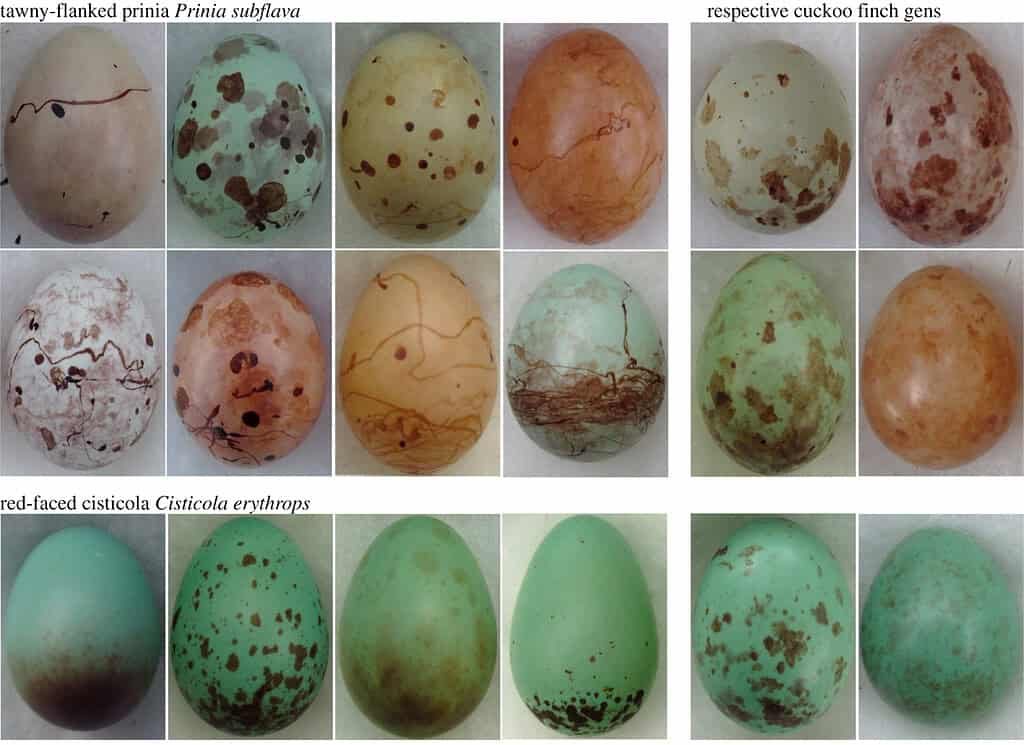
Host birds are constantly improving their defences. Some lay eggs with distinctive colours and patterns that serve as a kind of signature. In response, parasitic whydahs develop ever more convincing fakes. The standoff resembles an arms race.
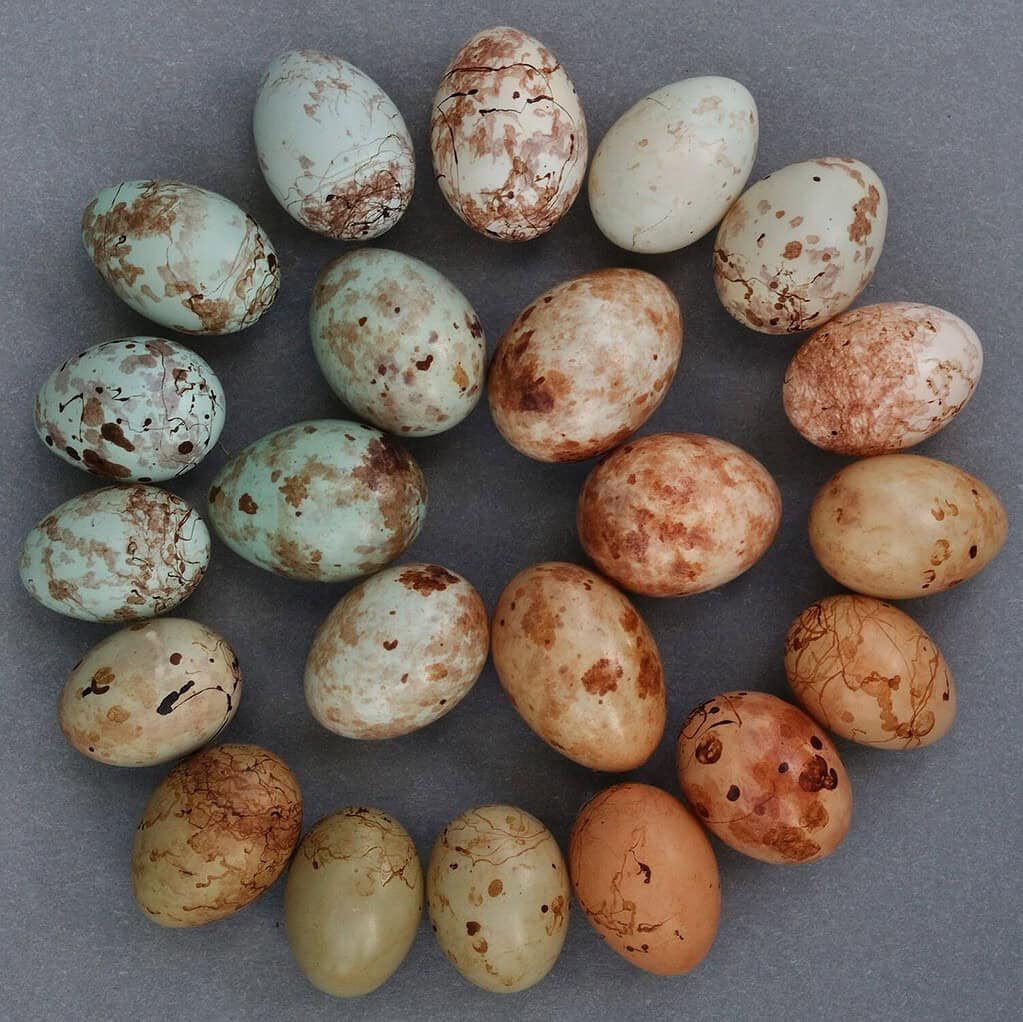
The secret of the whydahs' mastery lies in heredity. The ability to produce eggs of a particular type is passed down the maternal line, from mother to daughter. It is controlled by the female-specific W chromosome. As a result, different whydah families can “specialise” in deceiving different bird species.
But there is a downside. Unlike other chromosomes, the W chromosome barely takes part in recombination, the process by which genes from two parents are shuffled together. This means that alongside beneficial mutations governing eggshell colour, harmful ones are also passed on and accumulate.
An international team of researchers led by Michael Sorenson of Boston University compared the genomes of the parasitic whydah and its close relatives. In the whydah's W chromosome, they found 17 damaged or lost genes, compared with just three in related species. The remaining genes were changing unusually fast, pointing to the accumulation of potentially harmful mutations.
At the same time, the scientists found an unexpected gain on the same chromosome: copies of two genes that in other birds are involved in pigmenting eggshells. These are probably the ones that helped the whydahs achieve perfection in egg forgery. Thus, the chromosome became ever better adapted to deception while losing other genetic functions.
It remains unclear whether these genetic losses affect the birds' health or survival. Perhaps the lost genes did not play a major role, since working copies survive on another chromosome, the Z chromosome. Nevertheless, the study, published in Nature Ecology & Evolution, shows that even the most elegant evolutionary adaptations can carry hidden costs, written into the genome itself.


Letters