
The time when neural networks were used to make individual funny pictures is over. The film industry is beginning to build artificial intelligence into a full-fledged production process. This was the view of participants in a meeting for creators of content made with AI, held at the Asian film market in Busan.
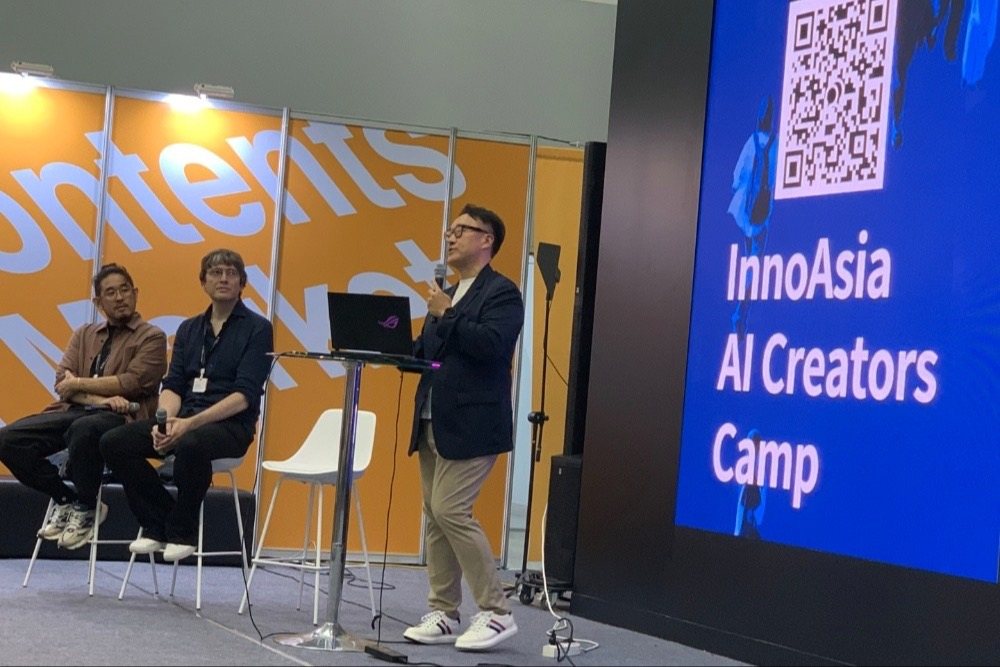
Hong Jae-chul, a visual effects specialist who worked on Iron Man and Transformers, believes that an era of hybrid production is coming. In his view, the future workflow will look like this: actors perform on the set, artificial intelligence creates the background and environmental details for the scene, and graphic artists handle integration and the final assembly of the shot. Hong Jae-chul, who now works as a producer and director at the studio Viscode, is convinced that material created by a neural network cannot yet be released to the screen without human refinement.
AI is just a tool, and a film is a sequence.
— Hong Jae-chul, visual effects specialist
Mark Wachholz of the Berlin studio Dreamkite described the process from the creative side. He advises directors not to try to control the frame rigidly, but to "explore" it, allowing the algorithm to suggest unexpected solutions. Director Ahn Jae-hong of Climax Studio said he turned to neural networks out of necessity: because of an injury to his hands, he could no longer work on the set. Now his work consists of writing text prompts, on the basis of which shot lists, storyboards and concept art are created.
Although generative video services such as Runway and Sora are being actively tested in Hollywood, editing and narrative logic remain the director's main task. Neural networks already help with routine operations, such as separating objects from the background or previsualizing scenes. However, as participants in the Busan meeting noted, only a human can still assemble individual shots into a coherent story.


Letters