
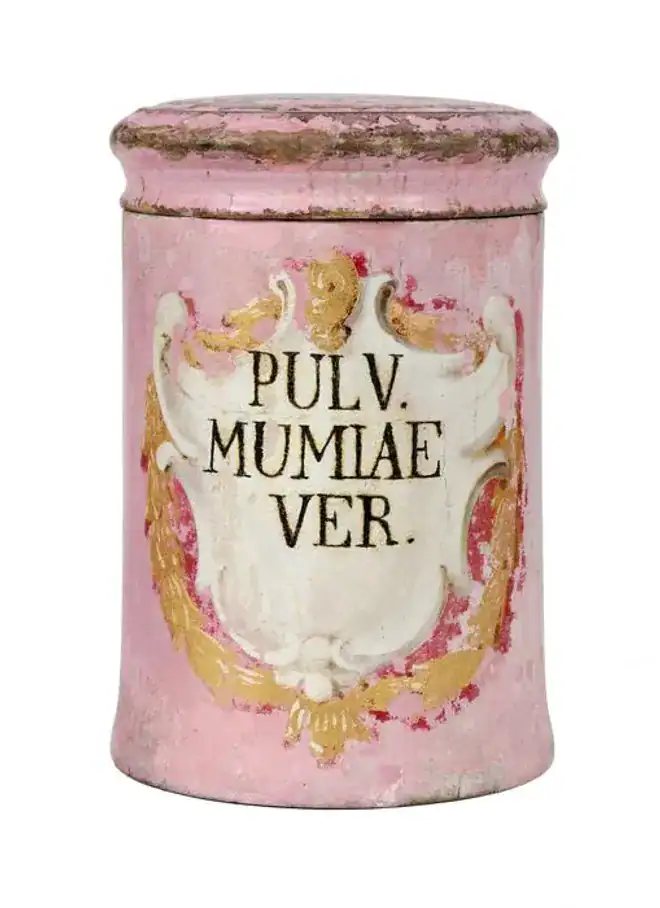
For centuries, European pharmacies sold an unusual remedy: powder ground from Egyptian mummies. Doctors prescribed it for fractures, wounds and other ailments. Demand was so great that traders reportedly sometimes passed off freshly dried bodies as ancient remains. The inscription "Mumia vera aegyptiaca", meaning "genuine Egyptian mummy", was meant to assure the buyer of the product's quality.
The remedy has long been an example of one of the darkest delusions in the history of medicine. Yet scientists from Germany have discovered an unexpected detail: in laboratory conditions, an extract from an old mummy-based medicine showed a modest ability to protect cells from the damage caused by the influenza virus. This does not mean that mummy powder could cure flu, but it suggests that the chemical makeup of such preparations was more complex than is commonly assumed.
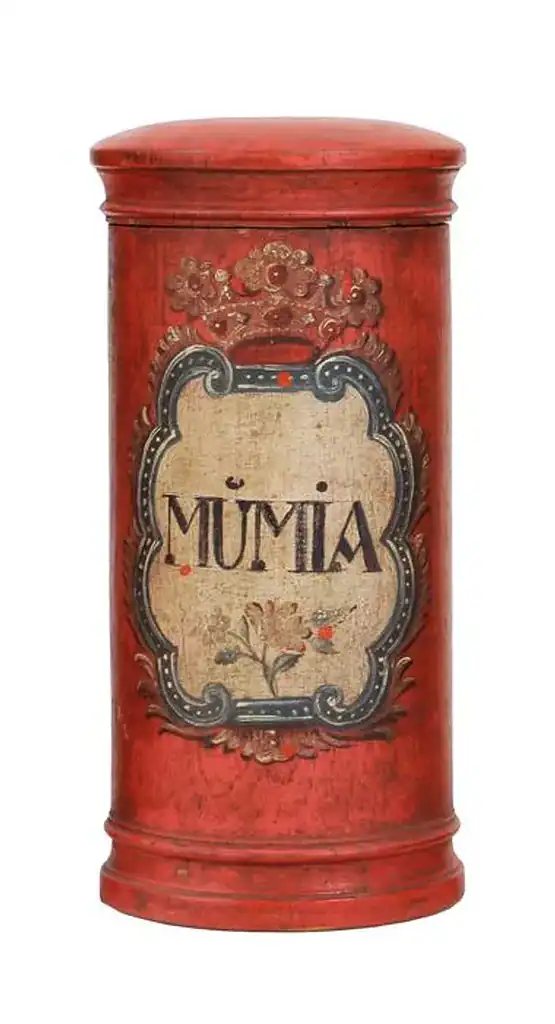
The practice arose from centuries of confusion. Medieval physicians valued mumiyo, a natural resin-like substance to which healing properties were attributed. Over time, the name came to be firmly associated with Egyptian mummies, whose dark, resin-coated bodies were believed to contain similar substances. By the Renaissance, grinding mummies had become an established trade in Europe. Not everyone approved of such treatment, however: the French surgeon Ambroise Paré warned against prescribing it as early as the sixteenth century.
To establish what these powders actually contained, researchers from the University of Marburg studied 41 historical texts and 24 objects from museum and university collections, including pharmacy preparations, residues of embalming substances, bandages and parts of mummified bodies. The samples varied considerably in composition, but many contained chemical traces of aged conifer resins.
The scientists also found compounds associated with aloe plants, including aloeresin A. Traces of these compounds were found in a mummified skull about 2,700 years old and in an eighteenth-century pharmacy preparation. According to the researchers, this is the first molecular evidence linking aloe to materials used in ancient Egyptian embalming. Earlier historical texts mentioned "aloe", but the word could also refer to agarwood, from which incense is obtained. The new data point specifically to plants of the genus Aloe, which we still call aloe today.
The new findings suggest that this connection may have deeper historical roots.
— Tanja Pommerening, head of the Institute for the History of Pharmacy and Medicine at the University of Marburg
The researchers then tested whether one of these historical remedies could affect living cells. They took an extract from the preparation "Mumia vera", which is held in a university collection. In the laboratory, the substance showed a modest protective effect on dog kidney cells, which are often used in influenza research, preserving them from damage by the virus. What exactly caused this effect remains unknown. Protecting cells in a test tube does not prove that the remedy can stop the virus from replicating or cure a human. Nevertheless, it is now clear that the strange medicines of medieval physicians contained plant resins and other compounds whose chemical makeup is only beginning to come into focus. The work has been published in the scientific journal Proceedings of the National Academy of Sciences.


Letters