
On the outskirts of Palermo, the Moretttino family, a Sicilian household, grows Arabica coffee in the open air. Each year they harvest about 100 kilograms of coffee cherries, which yield just over 15 kilograms of beans once roasted. By global standards this is a negligible crop, but for Sicily it is an event of note: at the beginning of the twentieth century, attempts to grow coffee outdoors here failed because of cold winters.
In 1905 the Botanical Garden of Palermo planted 25 coffee trees, but they did not survive the winter, when temperatures dropped below three degrees of frost. A further attempt in 1911 also failed because of frosts. A century later, the same city is bringing in a harvest.
The Moretttino family has been in the coffee business since 1920, but always worked with imported beans. In the 1990s they planted about 60 Arabica seedlings grown from seeds obtained at the Botanical Garden of Palermo. The plants survived but barely bore fruit. Roughly thirty years passed before the yield began to rise: 30 kilograms of cherries in 2021, 50 in 2022, 70 in 2023, and about 100 kilograms now. The plantation's owners link this to the warming of recent years.
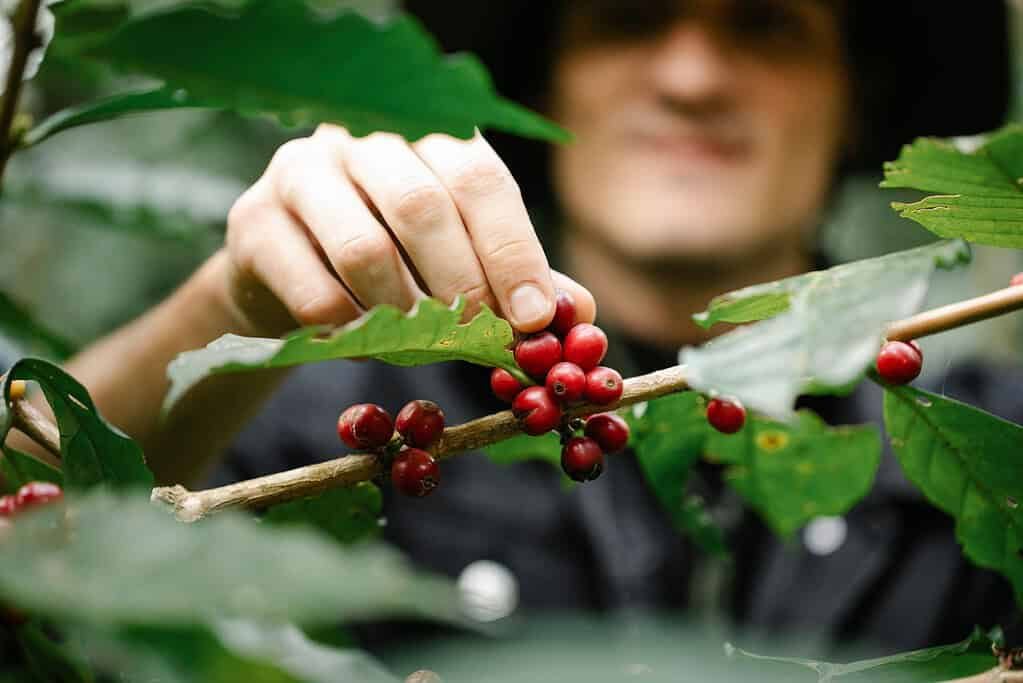
The plantation now covers about two hectares at an altitude of 350 metres above sea level. Scientists from the University of Palermo and the Botanical Garden are studying how the plants are adapting to Mediterranean conditions. According to Andrea Moretttino, coffee tasters have found in the Sicilian beans, alongside the notes classic to Arabica, flavours that recall the local landscape: white flowers, orange blossom and raisins.
The Moretttino family's aim is not to supply all of Italy with local coffee but to create a special, niche product made in limited quantities. Yet the experiment has a flip side. The climate change that made coffee growing possible also threatens it with droughts. In 2024 Sicily already faced its most severe water shortage in twenty years, which affected both agriculture and daily life for residents.


Letters