
Travelers visiting the Vietnamese city of Da Lat often make their way to the village of Cu Lan, nestled in a pine forest at the foot of Lang Biang Mountain. The village's name, "Cù Lần," intrigues many: in modern Vietnamese, the word means a simpleton, an eccentric, or an awkward, slow-witted person. There is no official explanation for the village's name, but three folk versions exist.
The first is a love story. At the beginning of the 20th century, a young man from the lowlands moved to the mountains of Lam Dong Province. He dreamed of building a "paradise of love" in the middle of the wild forest and gathered stones for this purpose. Those around him considered his undertaking foolish and dubbed the young man a "simpleton." Word of this reached his sweetheart, and she, moved by his devotion, left city life and set off into the forest to find him. They met and together founded a small settlement by a stream, which, in honor of their sincere love, they named the village of Simpletons.
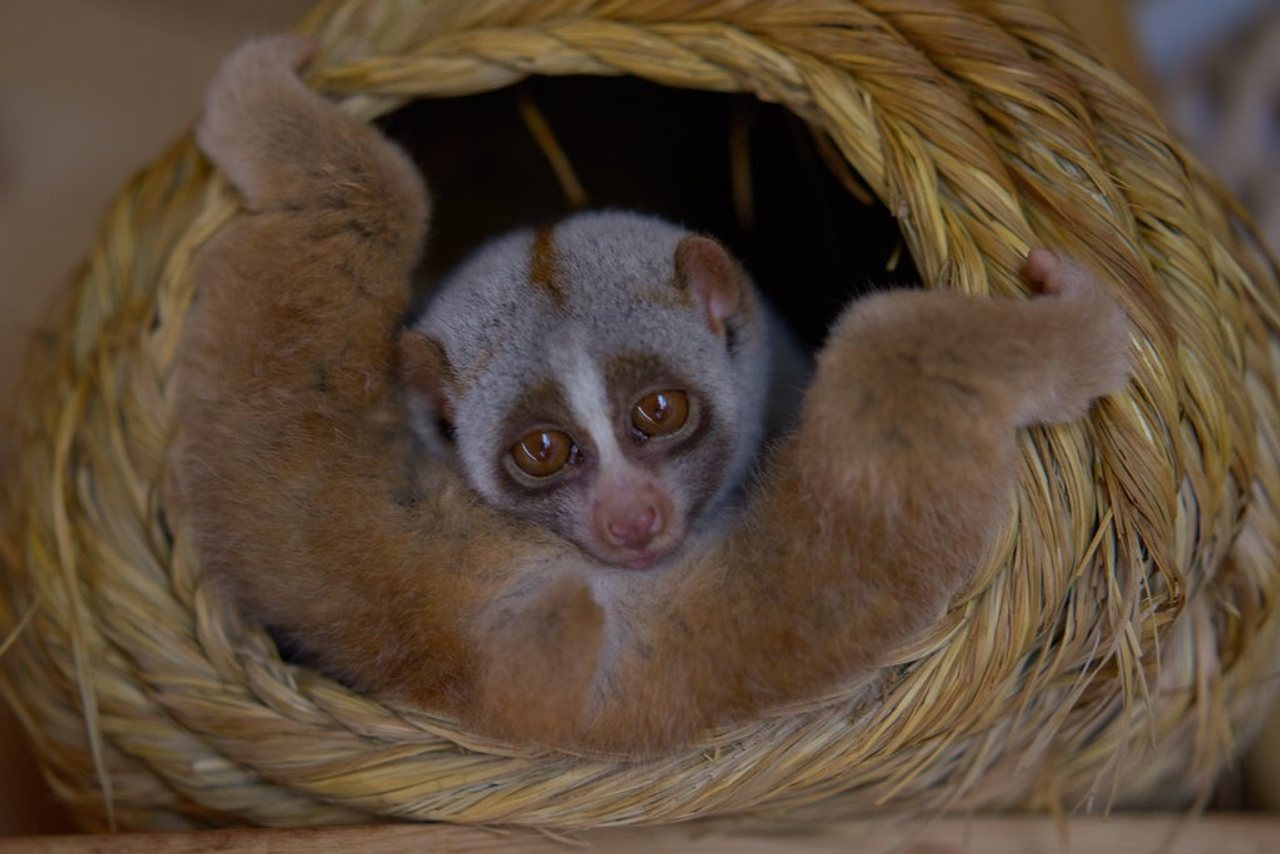
The second version is more pragmatic. In the valley where the village now stands, slow lorises once abounded. These animals have large round eyes that see well in the dark but shy away from bright daylight. Upon noticing light, the little creature covers its face with its paws. Because of this habit, it was nicknamed "cu lan," or "shy one." It is believed the village was named after these animals, which were once a common sight in the surrounding forests.
The behavior of slow lorises strikingly resembles the way of life of the indigenous people of these places, the K'Ho. Members of this ethnic group are known for their peacefulness and honesty. Like the animals that curl up and hide their faces when in danger, the K'Ho prefer to live in harmony with nature and avoid conflict.
The third explanation is linked to a plant. Many cu lan plants grow in the valley — a type of large fern covered with soft golden down. The K'Ho traditionally use this down as a valuable means of stopping bleeding. Souvenirs in the form of animal figurines are carved from the fern trunks. Perhaps the village received its name in honor of this useful plant.


Letters