
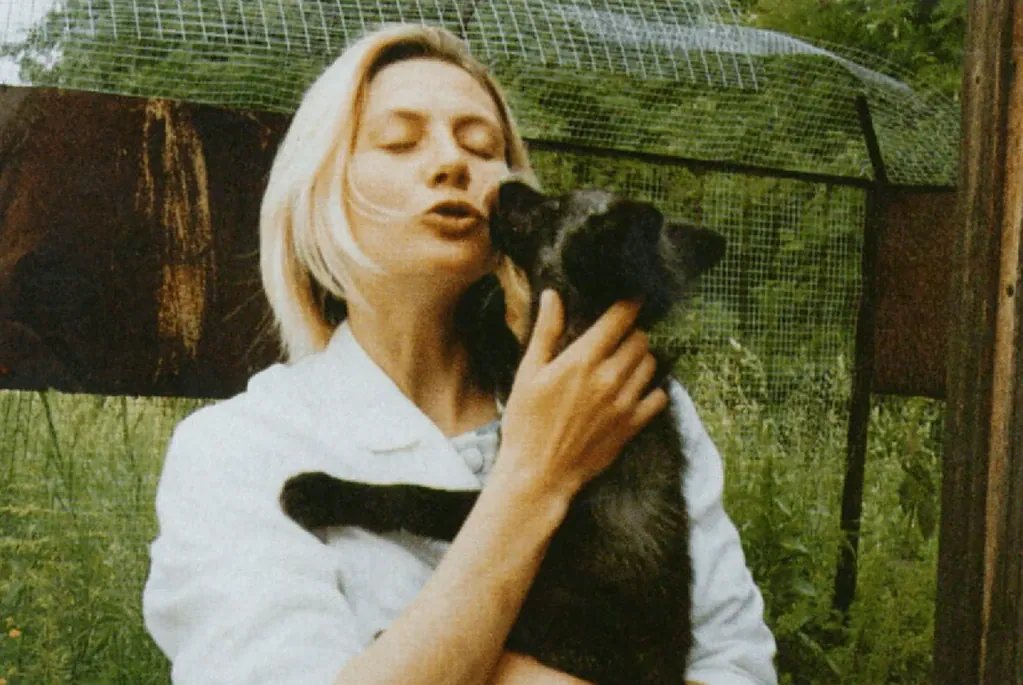
In the late 1950s, Soviet scientists began an unusual experiment in Siberia. They took silver foxes raised on fur farms and began breeding the animals that were friendliest toward humans. Within just six generations, some of the pups had begun approaching people of their own accord. Over the years, the foxes grew more and more doglike: some even developed floppy ears and shorter snouts. But what exactly had changed inside them, especially in their brains?
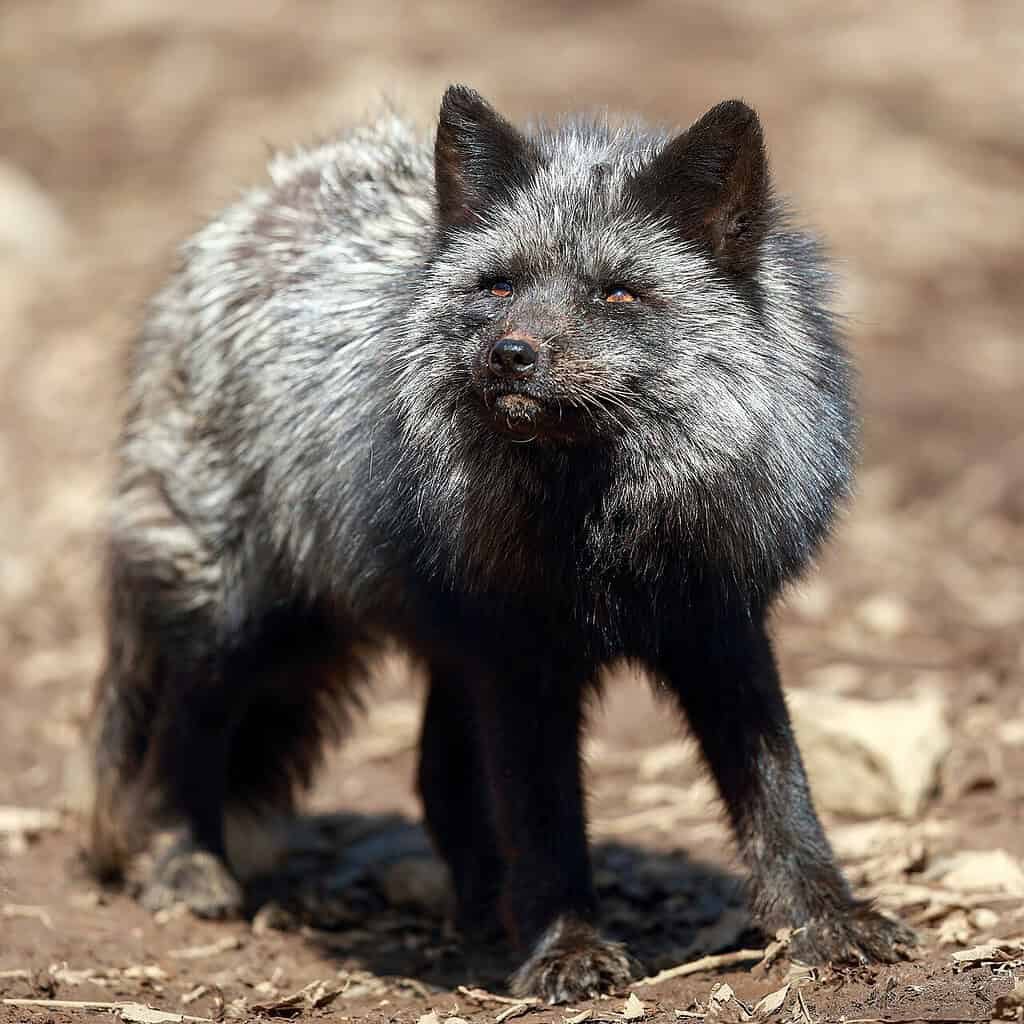
Nearly seventy years later, scientists may have found part of the answer. In a new study, they discovered that foxes bred for tameness have fewer neurons in a brain region associated with aggression. The findings suggest that changes in the neural circuits governing aggression may have played a role in the transformation of wolves into dogs.
The brain's aggression circuits
The story began in 1959, when the Soviet geneticist Dmitry Belyaev and his colleague Lyudmila Trut launched a fox-breeding experiment in Siberia. Hoping to better understand how wild animals become domesticated, they started with silver foxes from fur farms. In each generation, the researchers selected the animals that showed the least fear of or aggression toward people and bred them. Friendliness was the sole criterion.
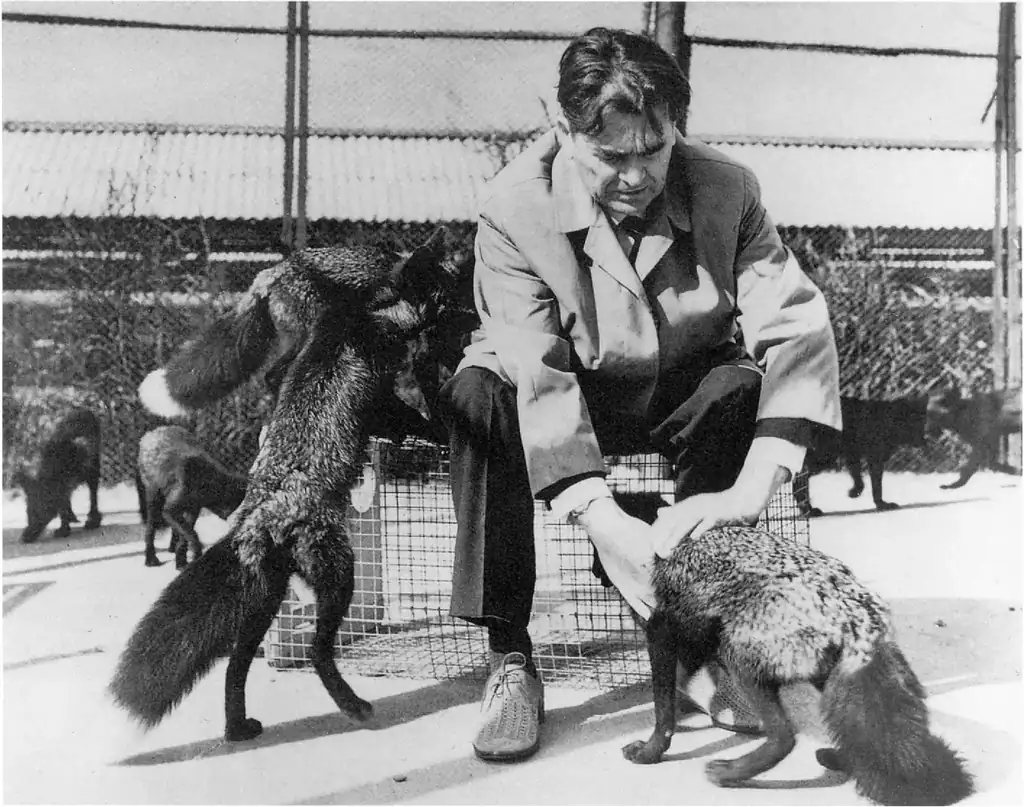
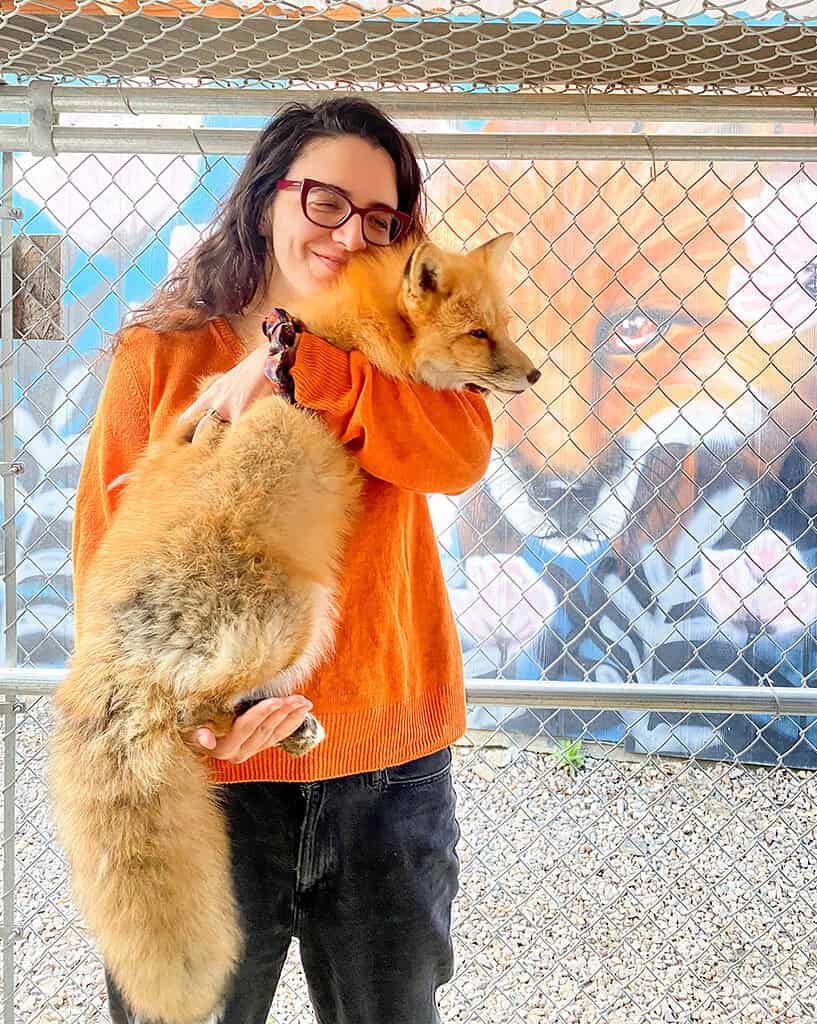
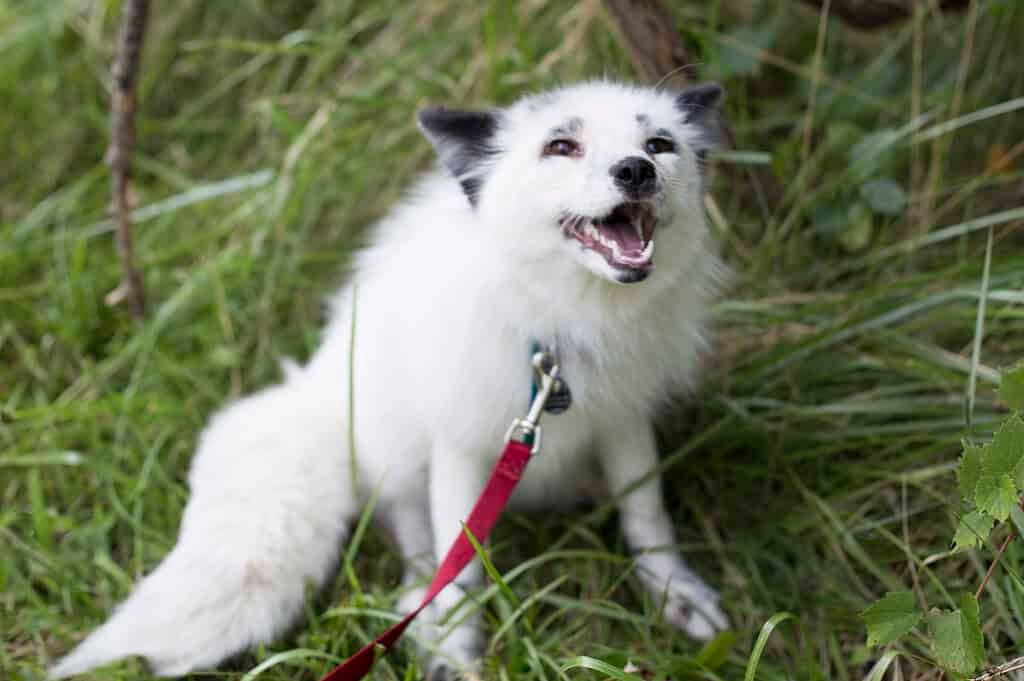
After six generations, some of the foxes were actively seeking out human contact. Over time, they began to display doglike habits and physical traits. The experiment went on for decades. In 1970, Soviet scientists also began breeding a separate group of foxes that, by contrast, were aggressive toward people. The result was two opposing populations: one unusually friendly, the other hostile.
The two groups offered a rare opportunity to study how selective breeding reshapes the brain. "We wanted to understand the neurological basis of these behavioral changes, which happened very quickly as a result of this selection," explained Eirene Markenscoff-Papadimitriou, an assistant professor of molecular biology and genetics at Cornell University and the study's senior author.
Working with the scientists who maintain the Russian fox colony, the Cornell team examined nine preserved brain samples: three from friendly foxes, three from aggressive ones and three from wild foxes. They focused on the ventromedial hypothalamus, a small brain region involved in regulating aggression and social behavior. Earlier experiments in mice had shown that activating certain neurons in this region can trigger bouts of aggression.
Using fluorescent probes to distinguish between cell types, the scientists found that tame foxes have fewer of these "aggression neurons" than aggressive ones. This suggests that selection for friendliness can alter the cellular makeup of the brain. The study's sample is small, however, and it is too early to say that these differences are what cause tame behavior.
Becoming a dog
The domestication of wolves was a long evolutionary process, and scientists still debate how it began. Perhaps less skittish wolves hung around human settlements to scavenge leftover food. Perhaps people took in wolf pups and raised them. Over generations, the animals friendliest toward humans may have gained an advantage.
The fox experiment shows how quickly inherited behavioral tendencies can shift under directed selection. Notably, another study, published just three days before the Cornell team's paper, presents similar findings, this time in dogs.
In the paper, published on October 30, 2026, in the journal Molecular Biology and Evolution, scientists analyzed two sets of canine genetic data covering 1,987 and 722 dogs. They found evidence that selection for reduced aggression and fear was more widely shared across all the major dog lineages than selection for physical traits. Their analysis also indicated that some of these behavioral changes occurred in the early stages of dog domestication.
Taken together, the studies suggest that one of the first steps on the road to becoming a dog may have been changes in the biological systems that govern fear, aggression and social behavior.
Did the brain change before the body?
The Siberian fox experiment became famous partly because selecting animals for docility appeared to bring physical changes as well, including floppy ears and altered snout proportions. Researchers called this supposed cluster of changes "domestication syndrome."
Over time, however, the picture grew more complicated. A 2020 scientific review challenged the traditional interpretation. Its authors found that the foxes used in the experiment had originally come from Canadian fur farms and that some of the supposedly new physical traits may have existed before the Siberian experiment even began.
Earlier brain research muddies the picture further. A 2021 study of 30 fox brains found that both tame and aggressive foxes had more gray matter than foxes bred without selection for behavior. The increases appeared in the same regions, including those responsible for emotion, memory and decision-making, even though the animals had been selected for opposite traits.
So it remains unclear whether changes in the brain preceded physical ones. The strength of the new studies is that they point to a specific group of neurons that may help explain how selection reshapes social behavior from one generation to the next. For the ancestors of dogs, growing used to humans was probably only the beginning. But it may have been this first behavioral transformation that opened the way to everything that followed, from the prehistoric wolf prowling near the campfire to the dog that sleeps beside us today.


Letters