Monday, 16 November 2026Issue of 15 November
No. 4 · 15 November 2026p. 1 of 12
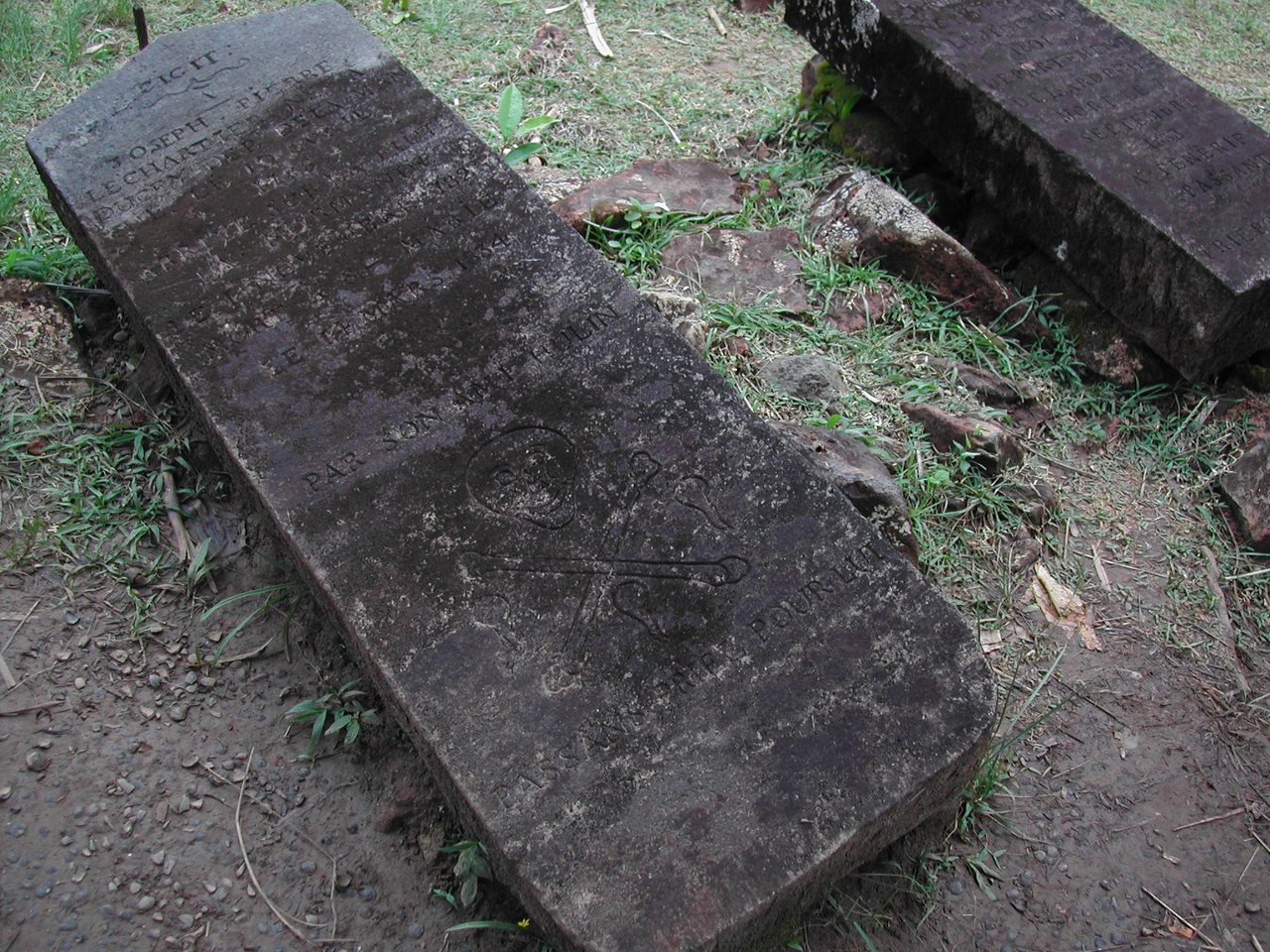
The pirate cemetery on Île Sainte-Marie off Madagascar. Photo: Michipanero, Wikimedia Commons, CC BY 3.0

A Ship Seized by Pirates in 1721 Is Found off Madagascar

Archaeologists from the American Center for Historic Shipwreck Preservation have found the Portuguese ship Nossa Senhora do Cabo, seized by pirates in 1721, off the island of Nosy Boraha in northeastern Madagascar. In the eighteenth century the island was called Île Sainte-Marie and served as a haven for sea robbers.

Our Lady of the Cape left Goa for Lisbon early in 1721. On board were the departing Portuguese viceroy and the archbishop of Goa. On April 8, off the French island of Réunion, the ship, already damaged by a storm, was attacked by a group of pirate vessels under the famous captain Olivier Levasseur, known as the Buzzard.

According to researchers Brandon Clifford and Mark Agostini, the loot, “an eye-watering treasure even by pirate standards,” included gold bars and chests of pearls.

Continued on p. 8 →
Whale Songs in an Internet Cable: How Fiber Optics Let Us Hear the Ocean

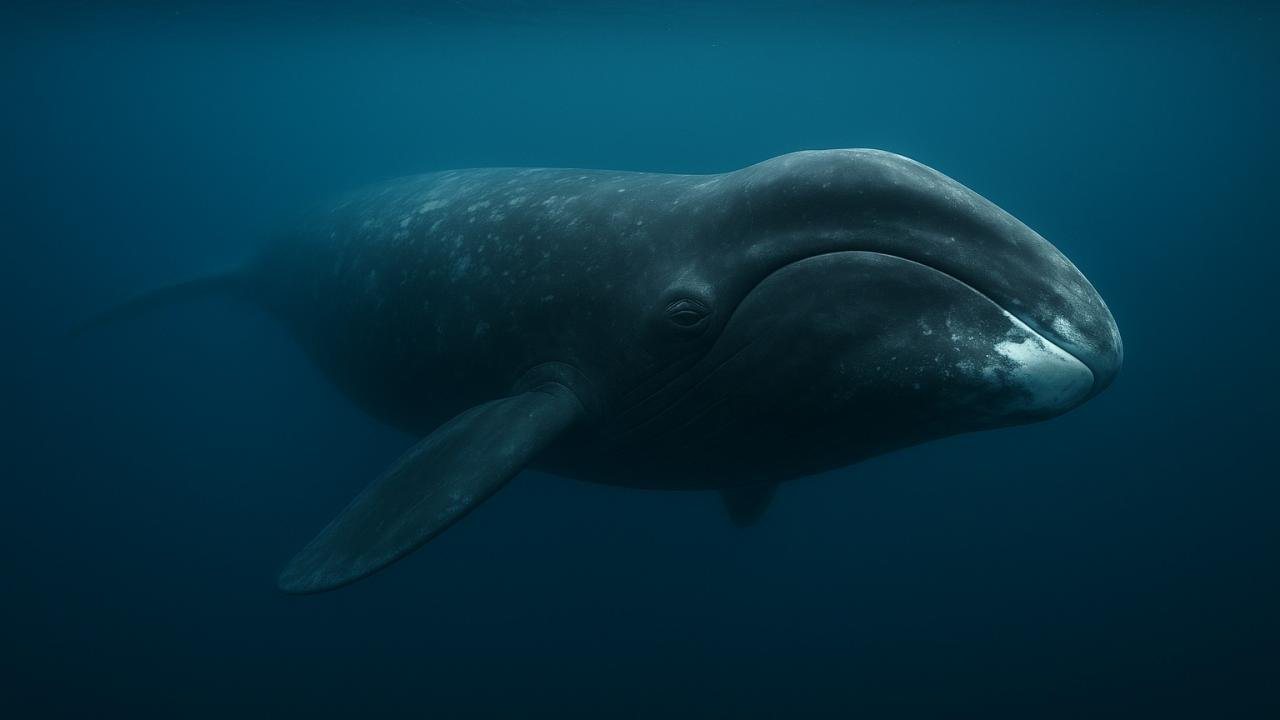
A bowhead whale underwater
Photo: Marina Lebedeva / Pravda.Ru

Researchers have recorded the sounds made by bowhead whales using an internet cable laid on the ocean floor off Utqiagvik, the northernmost town in the United States. Until now, such observations required sea expeditions and hydrophones on the seabed — special underwater microphones that ice or storms could easily damage or carry away.

The technology that let scientists “hear” the whales is called distributed acoustic sensing. When a sound wave from a whale travels through the water, it creates microscopic vibrations in the fiber-optic cable. A special instrument installed on shore sends laser pulses down the cable and analyzes changes in their reflections, reconstructing the original sound. In effect, the cable becomes a long chain of underwater microphones.

It was long thought that the method could register only loud, low-frequency sounds, such as the calls of blue whales. The songs of bowhead whales, which spend their whole lives in Arctic waters, sit in a higher range, from 150 to 300 hertz, and their signals are much quieter. A team led by Léa Bouffaut of Cornell University has shown that the technology can pick them up as well.

In the spring of 2020 the researchers analyzed data from a telecommunications cable running along the Alaskan coast. Local Iñupiat whalers and biologists also took part in the work. In the mass of data they found distinctive bursts of energy typical of the sounds bowhead whales use to communicate and to judge ice conditions. The results were published in the journal Methods in Ecology and Evolution. The method could let scientists listen to the ocean continuously without disturbing the animals.

In Brief

A Fee to Enter Thailand
From mid-2027, every foreigner flying into Thailand will pay 450 baht, about $13. The money will go to tourist insurance, infrastructure and the protection of natural sites. Those arriving by land or sea will not have to pay the fee for now. It was originally planned for early 2027.
643 Days Too Many in Thailand
Krabi police have detained a Swedish tourist whose permit to stay expired back in January 2025. He was arrested as he was about to leave for the Phi Phi Islands and now faces deportation and an entry ban. Document checks on foreigners have been stepped up across the country, including at piers.
Debris on the Beach
On the island of Ko Mai Phai in Krabi, an object resembling a piece of a rocket or satellite was found. Vacationers are asked not to touch such finds, which may contain toxic substances. It is enough to photograph the object, note the location and tell the park rangers or the space agency.

Puzzle of the Week

Schultz’s Chairlift

Schultz and Lucky were riding up the mountain on a chairlift. The chairs on the cable are numbered, and coming down toward them floated chair No. 95, then No. 0, then No. 1 and No. 2. The plate on their own chair read No. 66. “Are we halfway?” asked Schultz. “Not yet,” said Lucky. “The middle will come when we pass the chair numbered…” Which one?

Answer next issue; Puzzle No. 3 answer on page 12.

Quote of the Week

Getting around by car here should become, so to speak, to some extent a luxury.

Tigran Avinyan, mayor of Yerevan