
A rescue operation has come to an end on the Mont Cenis massif in the French Alps. Last Sunday evening, the mountain rescue unit CRS Alpes Savoie was alerted that Emery Ossat, 39, had failed to return from a solo ski outing. It later emerged that a day earlier he had been caught in an avalanche and swept into a bergschrund, the deep crack that opens between a glacier and the rock face, falling some 20 meters.
The search began that same evening. The following day, reinforcements and three helicopters joined the operation. Low cloud hampered the effort. Rescuers found the skier only when they heard his voice from beneath a mass of snow.
What helped him survive
Despite the fall and a broken femur, Ossat kept a cool head. He said that the avalanche left him buried in snow, with only his head and one arm free. It took him about two hours to dig himself out. Realizing that his leg was broken and he could not stand, he did not waste his strength trying to climb the steep slope.
Instead, he crawled deeper into the crevasse, where he found a natural hollow between the rock and the ice. The shelter protected him from the wind and from falling snow. He spent the whole night there in temperatures hovering around freezing, without food or water, quenching his thirst with snow.
Why the rescue took so long
Ossat was an experienced skier, but that day he either had no avalanche transceiver, or beacon, with him, or the device was not set to transmit. That made the search far more difficult. Rescuers had to comb the slope, locate his scattered gear, including his skis and backpack, and listen at the crevasse for his voice.
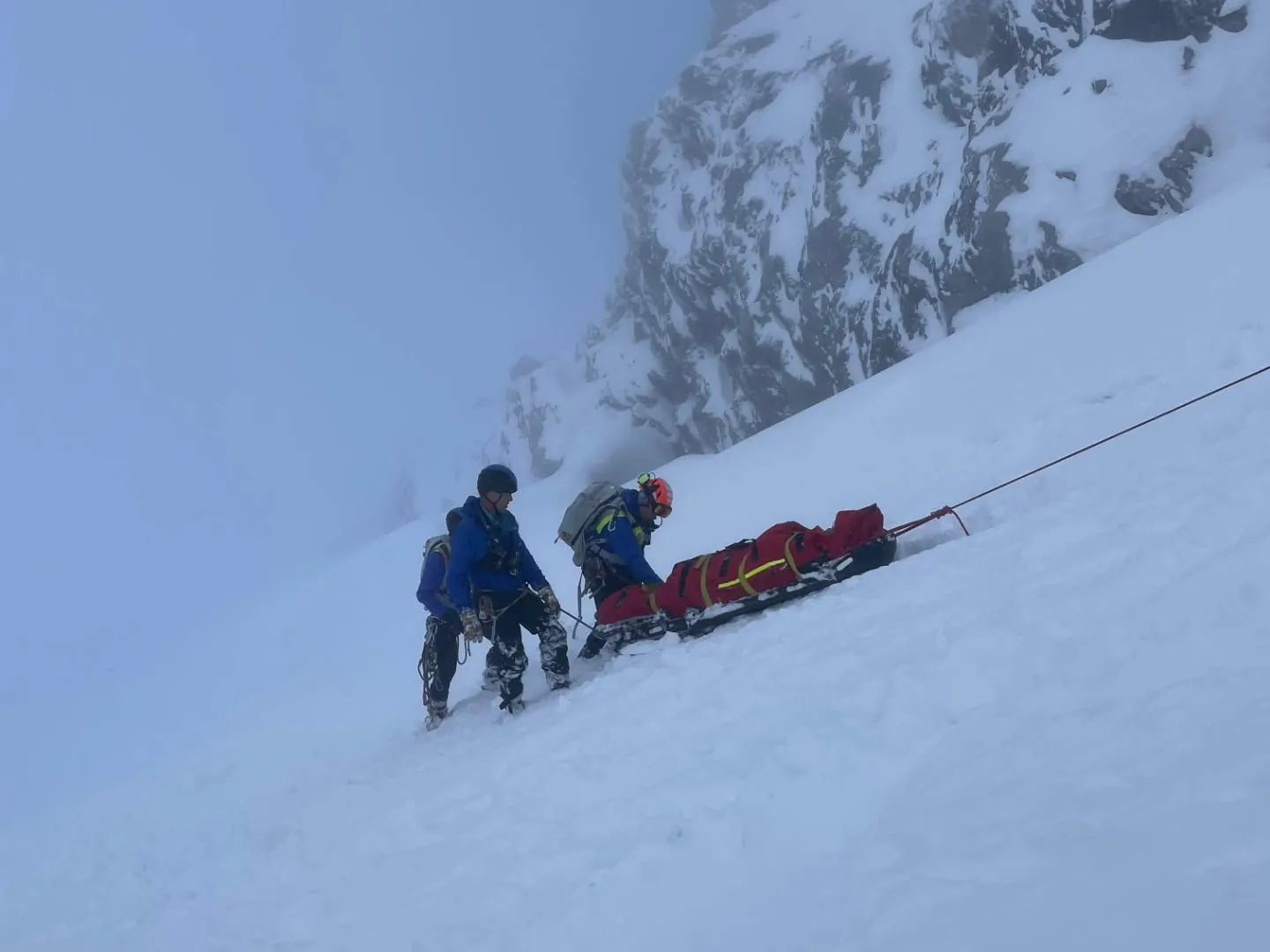
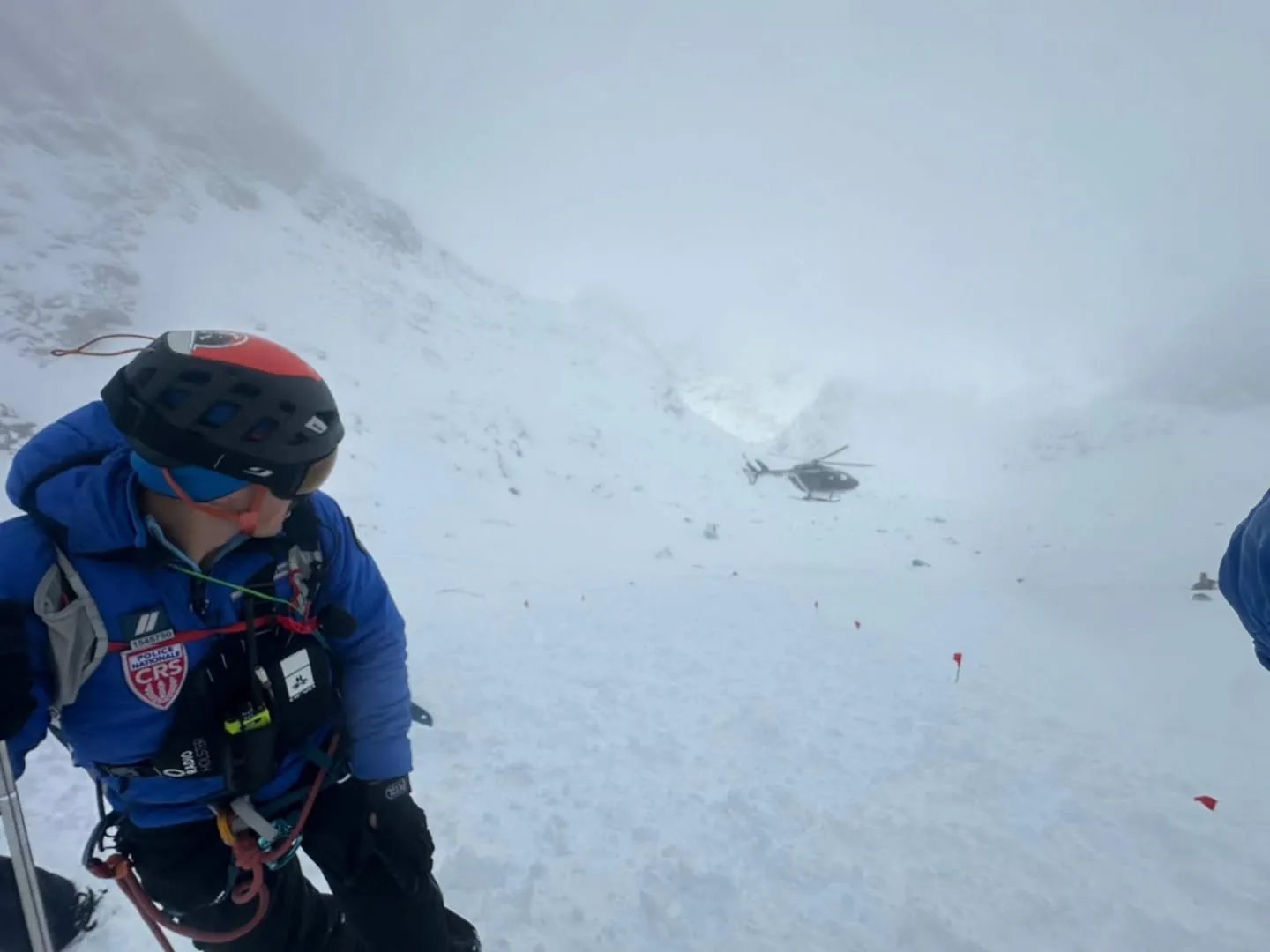
Around 30 rescuers, dog handlers and three helicopters took part in the operation. On the second day, after roughly five hours of digging, rescuers descended into the crevasse and brought the injured man out. By then he had spent more than 36 hours at the bottom. He was taken to Grenoble University Hospital with a broken thigh and frostbite.
Lessons for those who head into the mountains
Rescuers have used the episode as an occasion to remind people of the safety rules. According to Major Yoann Abere, had the skier carried a working beacon, he could have been found that very morning. The rescue team would then not have had to put itself at risk working on an avalanche-prone slope.


Letters