
Istanbul is the only city in the world that sits on two continents. The Bosporus Strait divides it into a European side and an Asian side. The historic center and most of the sights are in Europe, which the Golden Horn inlet in turn splits into southern and northern halves.
Where to Stay
The southern part of the European shore is Sultanahmet, home to Hagia Sophia, the Blue Mosque and Topkapi Palace. The northern part takes in Galata, Karaköy and Taksim Square, with the pedestrian Istiklal Avenue at the heart of modern city life. The Asian side is considered quieter and more residential, although the Kadıköy and Üsküdar districts have grown popular with tourists in recent years.
On a first trip, it is best to stay on the European side. Sultanahmet is convenient for seeing the major monuments, but it is full of places geared toward tourists, and accommodation prices can be inflated. Galata and Karaköy offer a wide choice of stylish apartments and small hotels at reasonable prices. For those visiting for a few days, the most convenient base is near Taksim Square or Istiklal Avenue: it is a major transportation hub from which any part of the city is easy to reach. The Aksaray and Laleli districts are popular with visitors who come to shop.
When choosing a place to stay, it helps to keep a few of Istanbul's quirks in mind. The city is built on hills, and streets that look flat on a map can turn out to be steep climbs. Before booking, it is worth checking the street views in mapping services. Reading reviews is also useful: some hotels and apartments are next to bars where music plays until dawn. Budget hotels are often very compact, with small rooms and sometimes no elevator. If space matters, it is better to choose larger hotels, where prices start at around $150 a night. When renting an apartment, study the reviews as carefully as the photos: images may be edited to make a place look bigger and brighter. Because of the difficult terrain, some apartments may lie below street level, with windows that open onto ventilation shafts.
If the aim of the trip is to soak up the city's unhurried pace and avoid the crowds, consider Kadıköy on the Asian side. Accommodation and food are cheaper there, and Europe is a 20-minute ferry ride away.
Food
Prices in Istanbul have risen in recent years, but it is still possible to eat well without spending a fortune. The simplest way to have an inexpensive lunch is to stop at a lokanta, a cafeteria-style eatery. In tourist areas such as Istiklal Avenue or Sultanahmet, however, lunch at a lokanta can cost 600–700 lira per person. Walk a few blocks away, and you can find lokantas for locals where the same selection of dishes comes to about 300 lira.
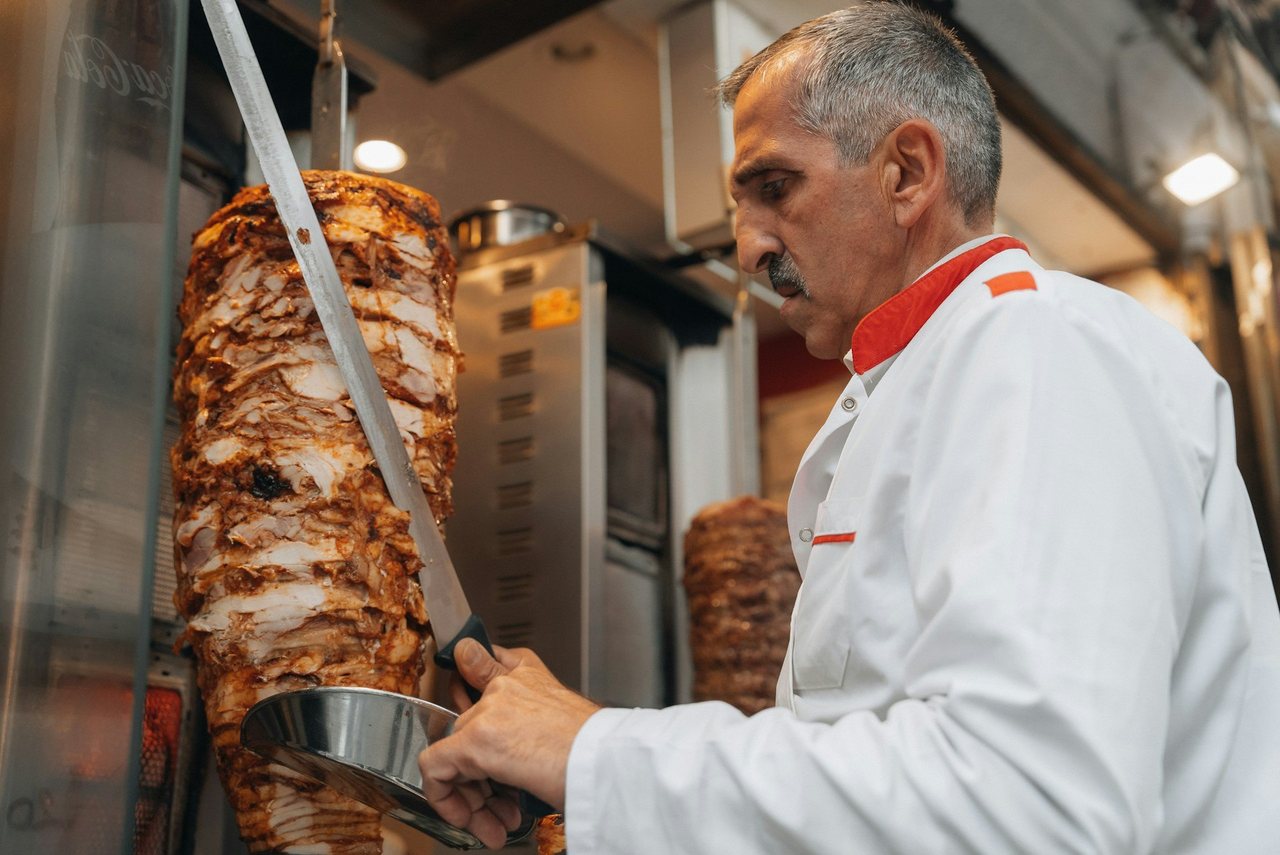
Istanbul's street food is well worth trying: simit, sesame-covered bread rings; balık ekmek, a fish sandwich; döner; roasted chestnuts and corn. As a rule, it is cooked right in front of the customer. You don't need to go to an expensive restaurant to find a good kebab or köfte. Places where lots of locals eat are a good sign of quality. Dinner at a restaurant overlooking the Bosporus can cost from 2,000–3,000 lira for two, not including alcohol, and the food does not always live up to the price. To enjoy the view without spending much, you can order tea or dessert.
Getting Around
Istanbul's public transportation system is well developed and includes the metro, trams, buses, ferries and funiculars. Fares can be paid with an IstanbulKart or a card issued by a foreign bank. If you are only planning one or two trips, you can do without a transit card. But if you will be moving around the city a lot, an IstanbulKart will save you money. In 2026, the card itself costs about 165 lira, and a single ride on it costs 40–45 lira. Transfers are discounted. Several people can travel on one card, but the transfer discount applies only to the first.
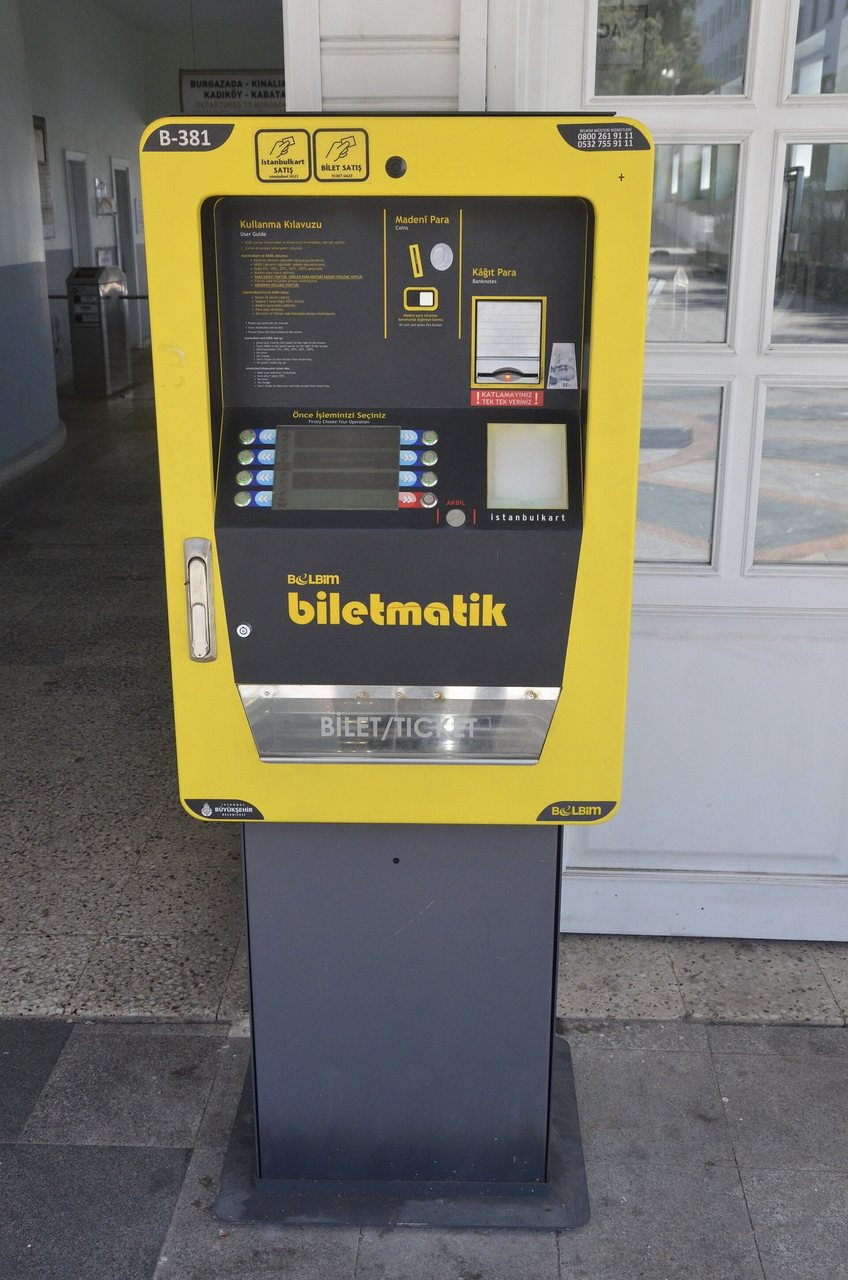
The card can be bought and topped up at yellow Biletmatik machines. Next to them, you may sometimes encounter "helpers" offering their services. This can be a scam: while you are distracted, the person taps their own card on the machine, and the money is credited to their account. So don't hand your card or cash to strangers. The IstanbulKart is not valid on Havaist buses, which run from Istanbul Airport (IST) to the city center.
For taxis, it is better to use apps such as BiTaksi, Uber or Yandex Go. That way, you will see the approximate fare and route in advance. If you hail a cab on the street, make sure the driver turns on the meter. Tourists in Istanbul sometimes run into overcharging. If a driver demands much more than the app or the meter shows, don't get into an argument. You can record what is happening on video, photograph the car's license plate and report the violation. In 2026, the Istanbul Chamber of Taxi Drivers launched a WhatsApp complaints line at +90 547 264 34 34.
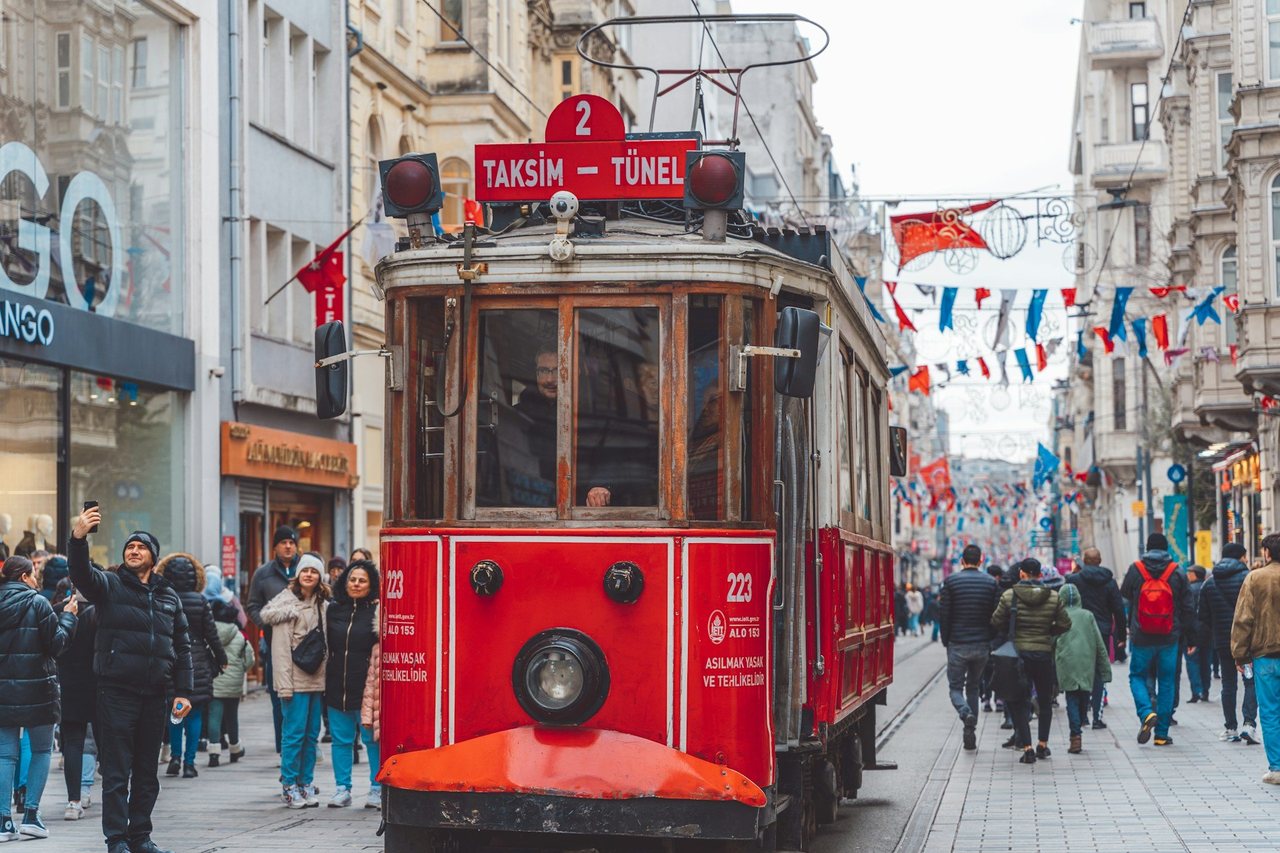
Be sure to take a ride on a city ferry: it is ordinary public transportation, but it offers beautiful views of the Bosporus and the historic center. A historic tram also runs along pedestrian Istiklal Avenue, and the fare can be paid with an IstanbulKart.
Museum Pass
In 2026, admission prices at Istanbul's museums have become some of the highest in Europe. Entry to Topkapi Palace for foreigners, for example, costs about 2,750 lira, and to the Galata Tower about 650 lira. If you plan to visit several state museums, it may make sense to buy the Museum Pass Istanbul. It is valid for five days and in 2026 costs 105 euros. The pass pays off only with a packed museum schedule. If you mainly intend to stroll around the city and visit mosques and markets, with just one or two paid attractions on your list, it is not worth buying. Before purchasing, check the current list of museums included in the program.
Currency Exchange
Visa and Mastercard cards issued in Russia do not work in Turkey. Mir cards are also almost never accepted. If you have a card from a foreign bank, you will have no trouble paying. Otherwise, it is best to bring cash in dollars or euros, which can be exchanged at any currency exchange office.


Letters