
For more than thirty years, a handful of bone fragments known as the "Kerry cow" underpinned a theory that agriculture came early to Ireland. The find, made on the coast of County Kerry, suggested that domestic cattle may have reached the island while its inhabitants were still living by hunting and gathering. A recent study, however, has shown that the bones taken for a cow's in fact belonged to a bear and a wild boar. The discovery calls into question long-held assumptions about when farming began in Ireland.
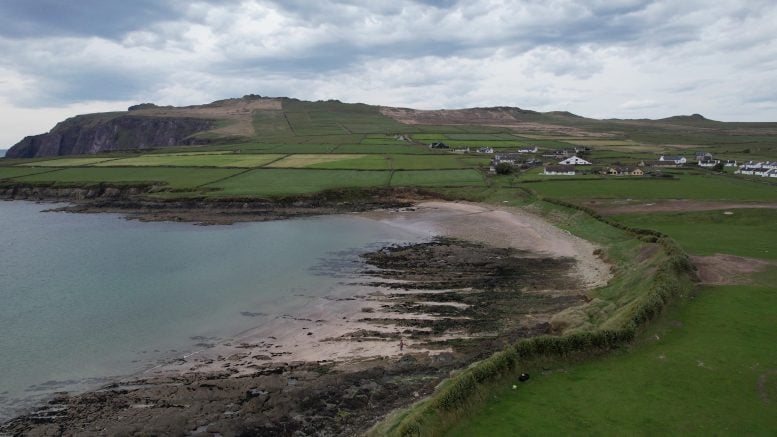
The fragments were unearthed in the 1980s and 1990s during excavations at Ferriter's Cove on the Dingle Peninsula. They were dated to the end of the Irish Mesolithic, a period that lasted from 8000 to 4000 BC, and were regarded as the earliest evidence of domestic animals in Ireland and Britain.
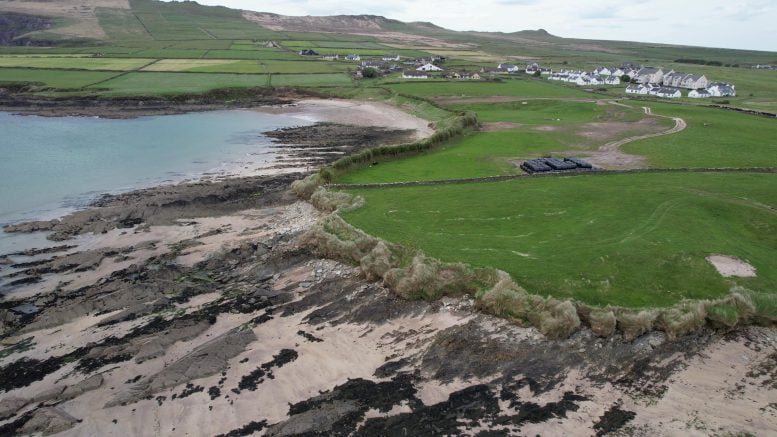
The find ran counter to prevailing theories of Ireland's transition to farming. It implied that local hunter-gatherers had forged ties with farmers from continental Europe before agriculture took root on the island.
What the Protein Analysis Revealed
Researchers led by Dr. Martin Moucheron of University College Dublin went back to the original archaeological material, which is held at University College Cork. The team sent the bones to a laboratory of the French National Center for Scientific Research in Lille.
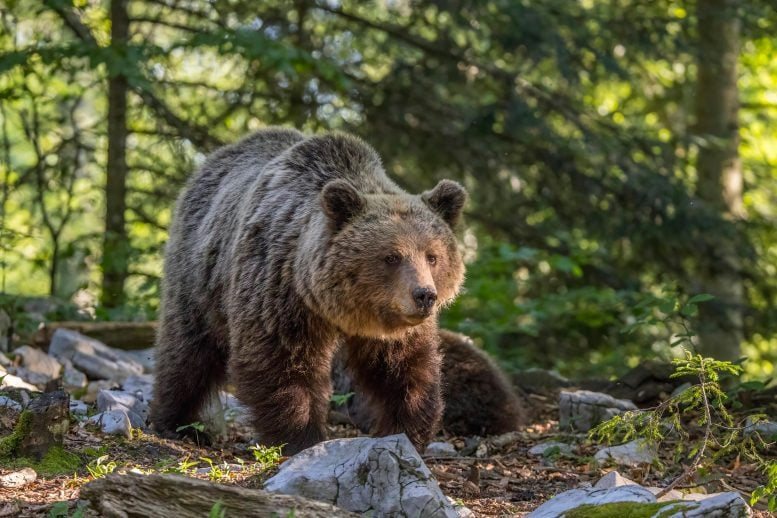
There, the fragments were examined using ZooMS, a technique that identifies an animal's species from proteins preserved in collagen, a structural component of ancient bone. The results showed that the remains came from a bear and a wild boar, not from the domestic cattle on which the earlier interpretation had rested.
A New Look at History
The findings, published in the latest issue of the Prehistoric Society's newsletter, strip researchers of a key piece of evidence in the debate over when and how the people of Ireland and Britain moved from hunting and gathering to farming. Archaeologists now have no evidence that domestic livestock or early farming communities reached Ireland, or had any influence on it, before 4000 BC. A new date for the arrival of livestock has yet to be established, but the basis for reconstructing that transition has shifted.
Dr. Benjamin Gearey of University College Cork said the remarkable results would change our understanding of the earliest evidence for agriculture in Ireland.
Professor Graeme Warren, Dr. Moucheron's supervisor, added that the exciting results show the real value of returning to key archaeological sites with new analytical methods, which can change the stories we tell about our past.
There is a widespread view that the people who lived on the island by hunting and gathering for at least four thousand years left little trace and that we know little about them, in contrast to the Neolithic farmers and their megaliths, who are portrayed in a way that makes them seem very familiar in Ireland. But we can learn a great deal about Mesolithic people simply by going back to the sites and material we already have and looking at them with fresh eyes, with new methods, and with an open mind.
— Martin Moucheron, lead researcher
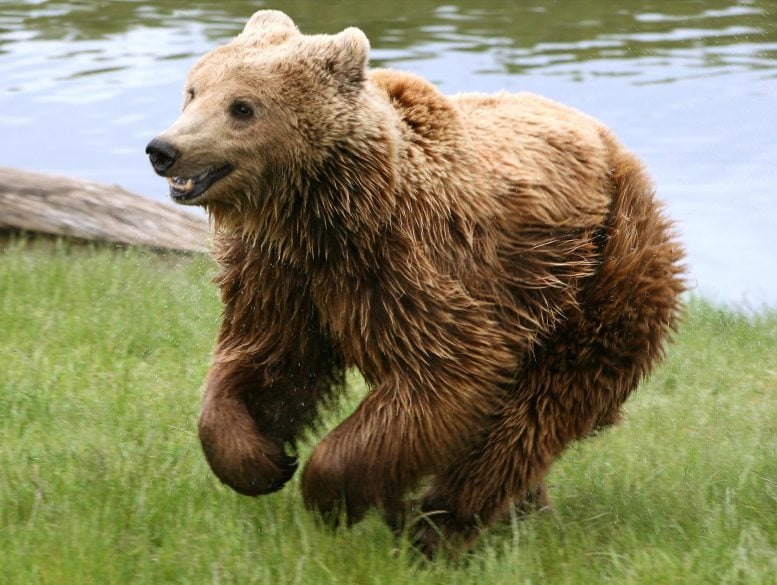
Scientists are now carrying out further analyses to determine whether the remains belonged to a brown bear or a polar bear. The researchers hope the work will shed new light on Ireland's prehistoric bear populations before they died out in the Bronze Age.


Letters