
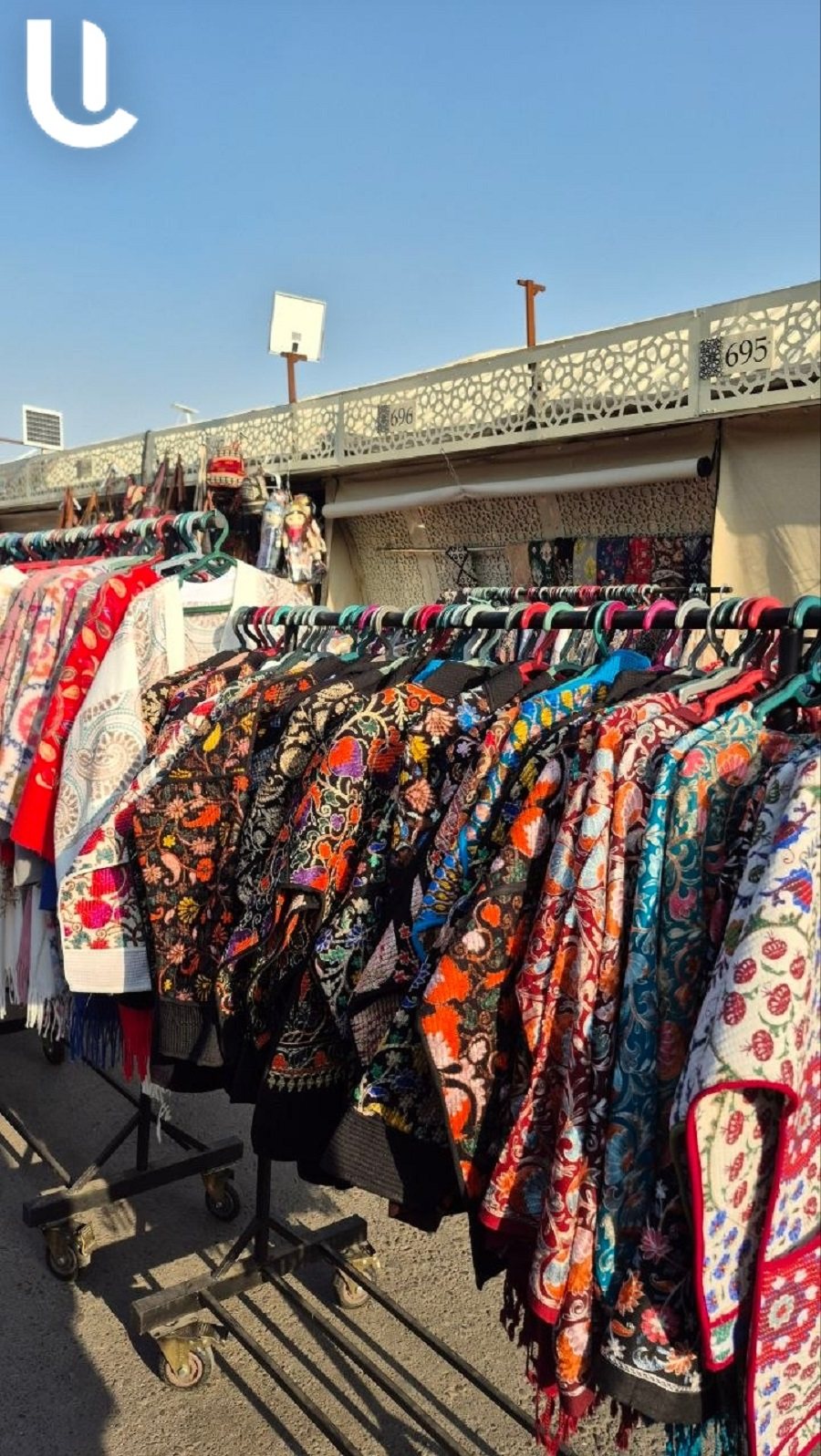
The first thing that catches the eye at Tashkent's Chorsu Bazaar in Uzbekistan is the sheer abundance of embroidered goods: brightly colored chapan robes, pillowcases and large bedspreads. Many of the vendors, women and men alike, also wear an embroidered touch somewhere, on their clothes, their caps or their bags.
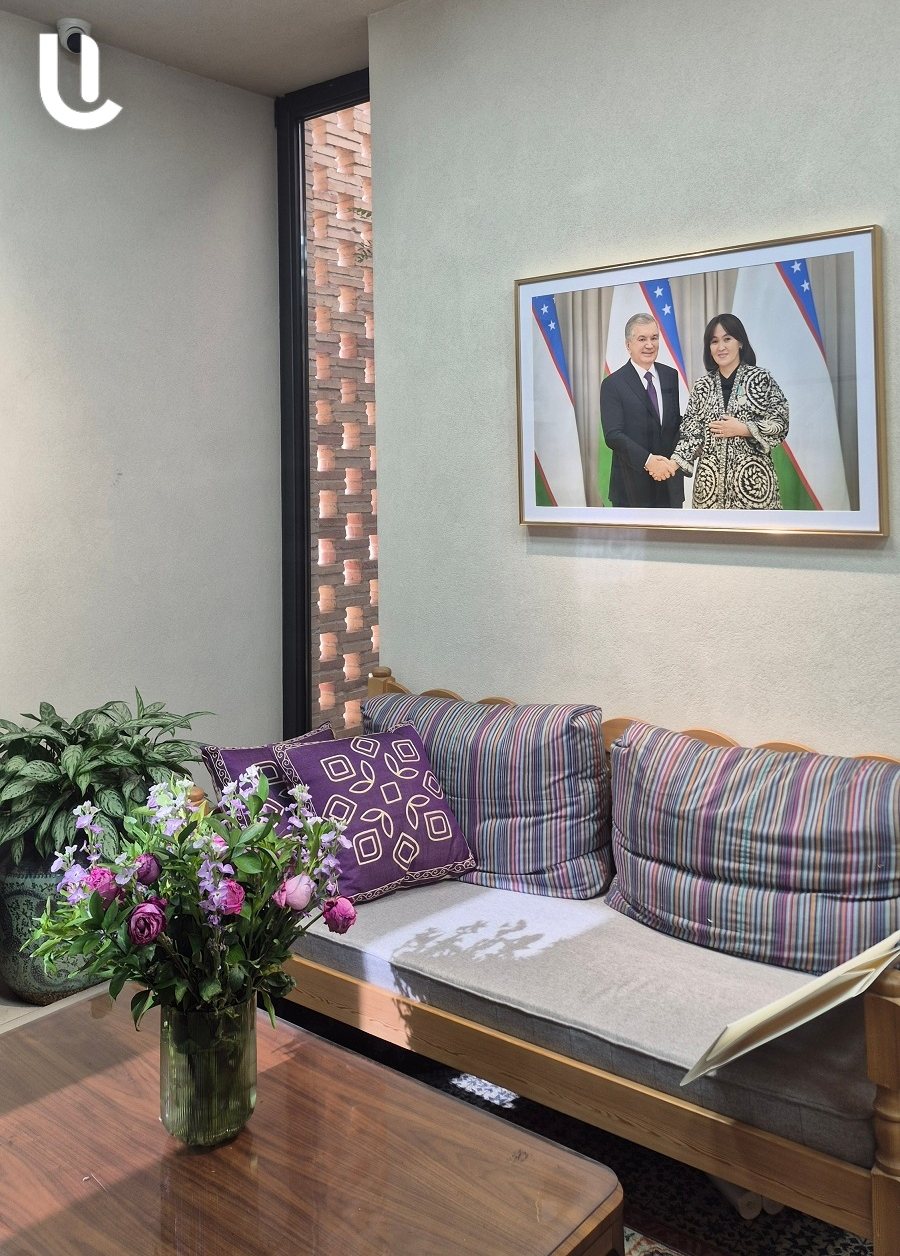
From the bazaar, one of the threads of this story leads to Tashkent's Suzuk Ota quarter. This is home to the center of Madina Kasimbaeva, one of the finest practitioners and guardians of Uzbek embroidery, who works under the label Suzani by Kasimbaeva. The complex was built with state support on a plot of land allocated by the president of Uzbekistan. It comprises a workshop, a training center, a gallery and an exhibition hall.
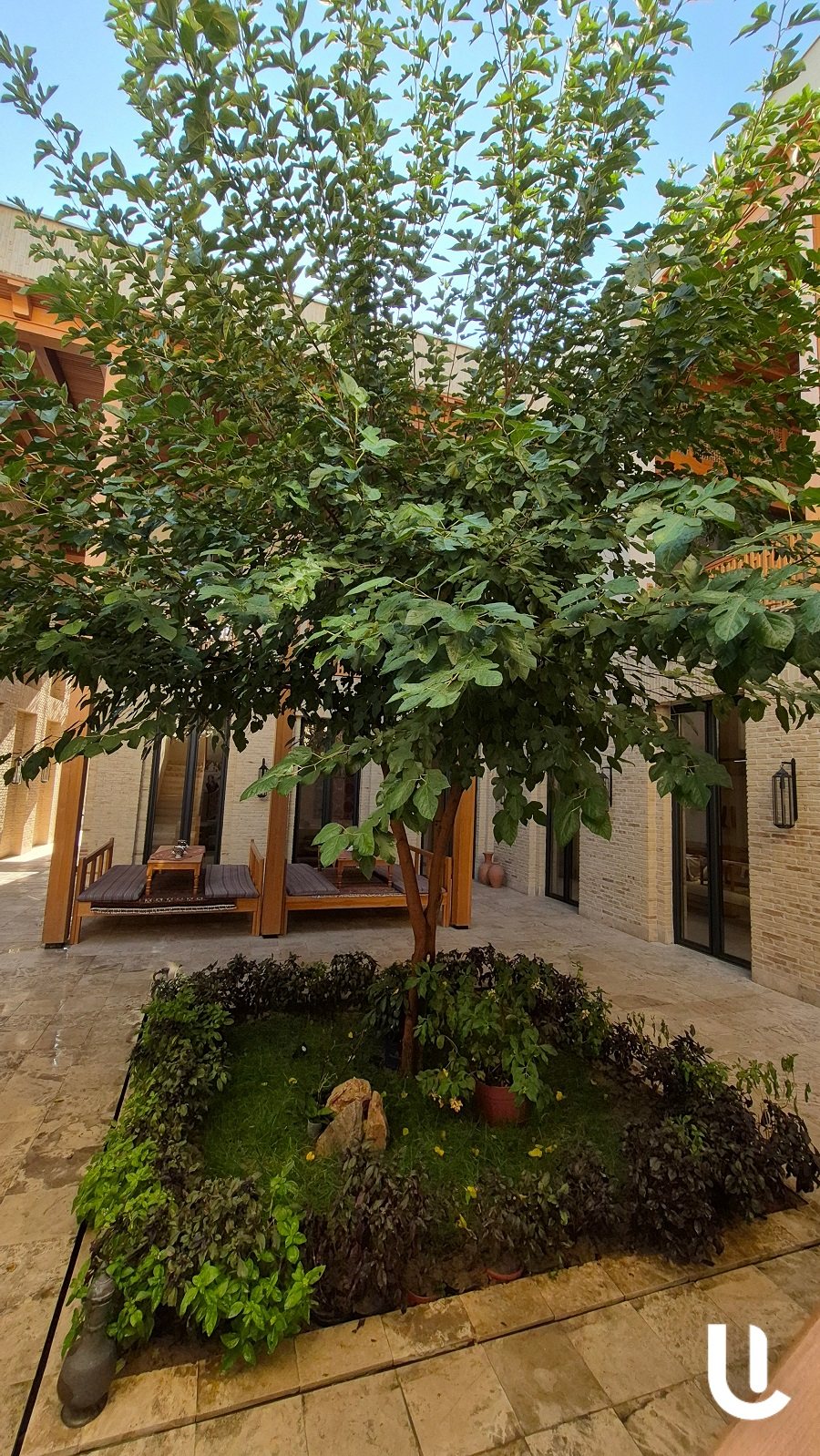
A tour of the center led by Madina's brother, Hasan, became for the author a journey along the path of the silk thread, from the cocoon of a silkworm feeding on mulberry leaves to the largest suzani in Tashkent. The Tashkent school of embroidery, known as palak, is built on images of celestial bodies. These motifs are rooted in the ancient worldview of Central Asia and in its pre-Islamic cultural layers.
Embroidery has long been one of the occupations of the peoples of Central Asia. Here it is customary to make large decorative panels known as suzani. The word comes from the Persian suzan, meaning "needle." It once referred to just one type of embroidery but is now used broadly for all embroidered panels.
Since ancient times, suzani have held an important place in the life of Uzbek families. They adorned the walls of homes and divided interior spaces. The patterns were devised and drawn by experienced masters, while the embroidery itself was done mostly by women. Girls often began the work in early childhood, so that an important part of their dowry would be ready by the time they married.
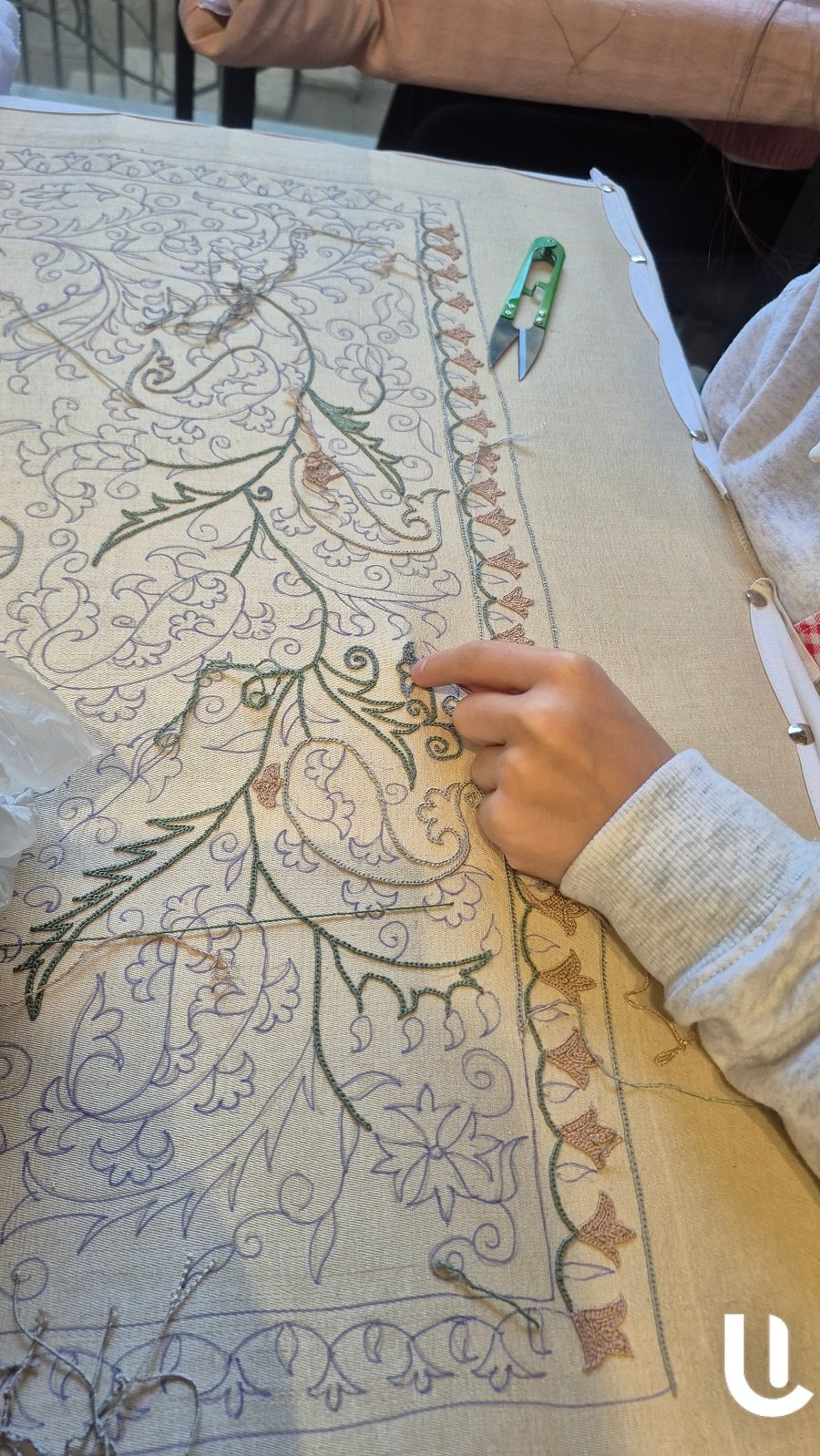
Madina Kasimbaeva, too, grew up watching her grandmother embroider. Today her work is part of the permanent collection of the British Museum, and her name is known in the worlds of art and fashion.
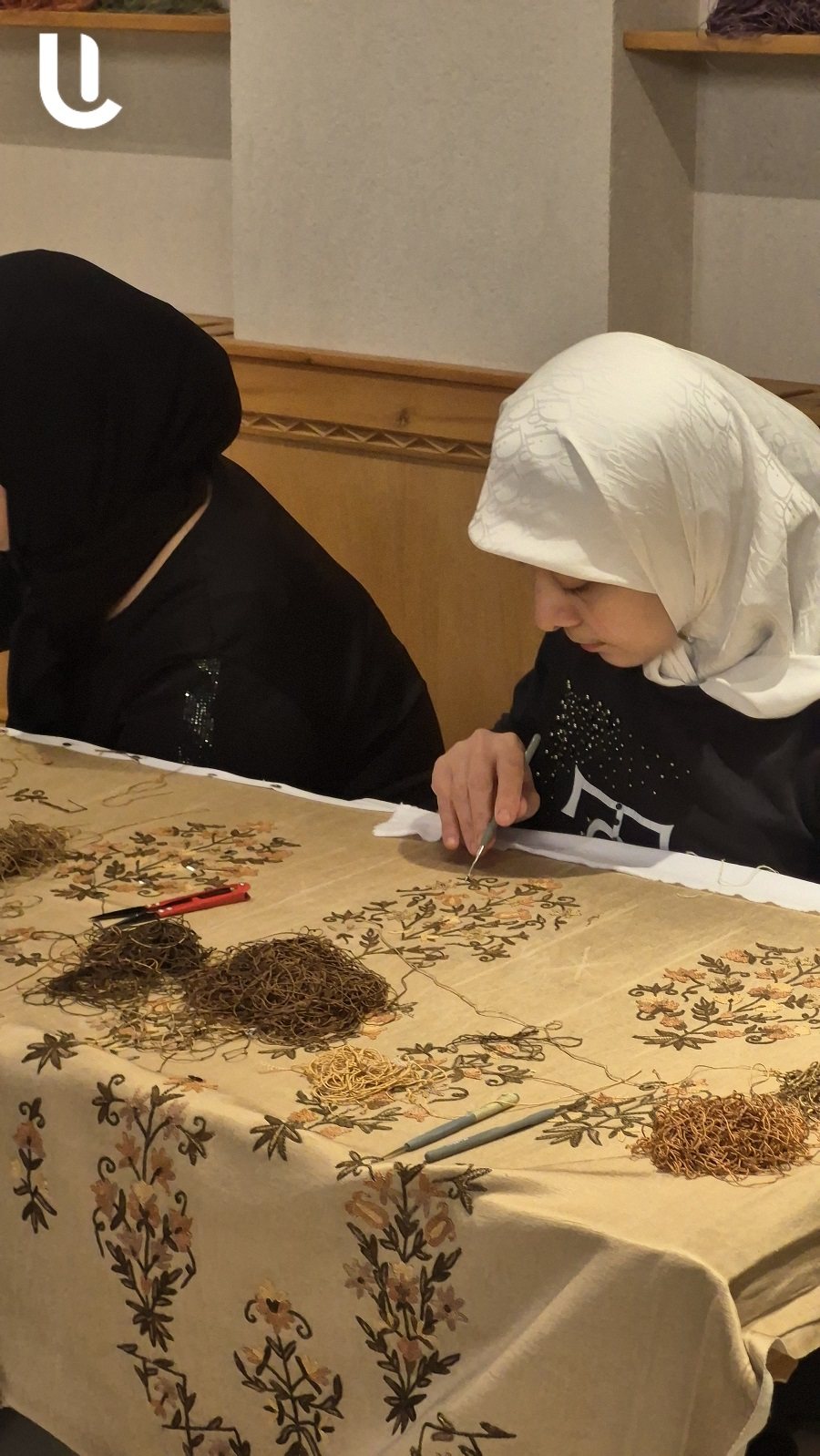
Hasan said that many women in Uzbekistan still love to embroider. The center has a large staff of women, among them homemakers and others who come by after their regular jobs, pick up a pattern and stitch at home. The whole family, he said, is involved in the work. Over the years Madina has taught the art of suzani to some 1,000 students, and many of them now practice the craft themselves.
Madina Kasimbaeva has not only breathed new life into the traditions of Uzbek embroidery, and of the Tashkent school in particular, but has also created a center in the capital of considerable social importance. It has given many women the chance to create and to earn a living. As a result, the Kasimbaeva center has become one of the calling cards of Tashkent's old city, drawing tourists, art lovers and well-known figures from around the world.
The center's gallery displays suzani that bring together and blend the various schools of Uzbek embroidery: those of Tashkent, Bukhara, Samarkand, Nurata, Shahrisabz and the Fergana Valley. Unlike the vivid wares at Chorsu Bazaar, Madina's center favors cleaner, more restrained tones drawn from natural dyes. The silk threads and fabrics are dyed on site using walnut shells, saffron, madder, indigo and other natural materials.
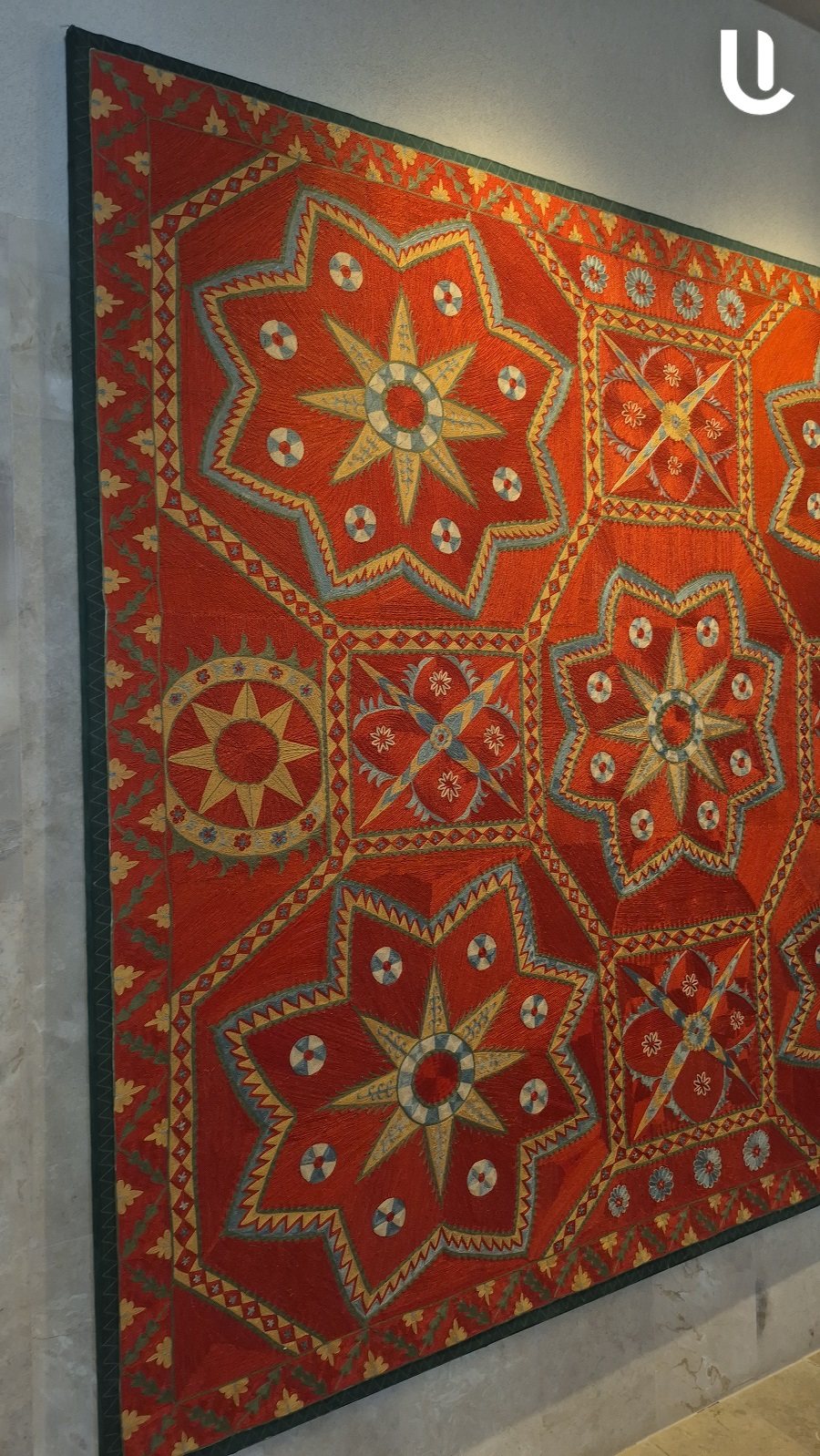
The gallery shows the entire process of making a suzani, from the first stitch to the finished piece. At the end of the exhibition hangs the largest suzani in Uzbekistan, 8 meters long and 5.5 meters wide. According to Hasan, 80 women spent several months working on it. It is a striking example of the palak school, at once a map of the universe and a garden in bloom. It combines geometric and astronomical motifs with elements of other Uzbek schools: the pomegranate as a symbol of fertility, and a variety of ornaments depicting the plant and animal worlds.
One of Madina's guiding principles is to revive traditions by making them viable. The craft's contemporary interpretation is best seen in the center's exhibition hall. On display there are exclusive examples of traditional Uzbek dress, the chapan, as well as handmade shoes, bags and household items.
There, too, Madina's brother showed an entry in the center's guest book left by Armen Sarkissian, the fourth president of Armenia. The president had drawn Mount Ararat and the dome of the Suzuk Ota complex, signing it: "With great love from Yerevan to Tashkent. Long live suzani."
The author notes that while Uzbekistan, Kazakhstan and Tajikistan are submitting a joint bid to have the traditional art of embroidery inscribed on UNESCO's list of intangible cultural heritage, and while the president of Uzbekistan supports a family that carries on the tradition, historically Armenian embroidery has already been inscribed by UNESCO on Turkey's list of intangible heritage. In Armenia, only a handful of enthusiasts are trying to preserve the rich legacy of Aintab and other forms of Armenian embroidery.
Based on reporting by aravot.am


Letters