
An exhibition of Salvador Dalí's graphic works has opened at the Palace of Arts in Minsk. On display are more than two hundred original works from seventeen graphic series, along with several bronze bas-reliefs. All of the pieces come from private collections, which makes seeing them together a rare opportunity.
The exhibition introduces viewers to Dalí the graphic artist, who for decades worked with literary subjects, myths and symbols. The curator, Alexander Zinkevich, said that visitors are seeing originals.
A distinctive feature of the exhibition is the interactive screens installed beside each series of works. On them, a virtual Salvador Dalí appears and talks about his creations. In effect, the tour of the exhibition is led by the artist himself.
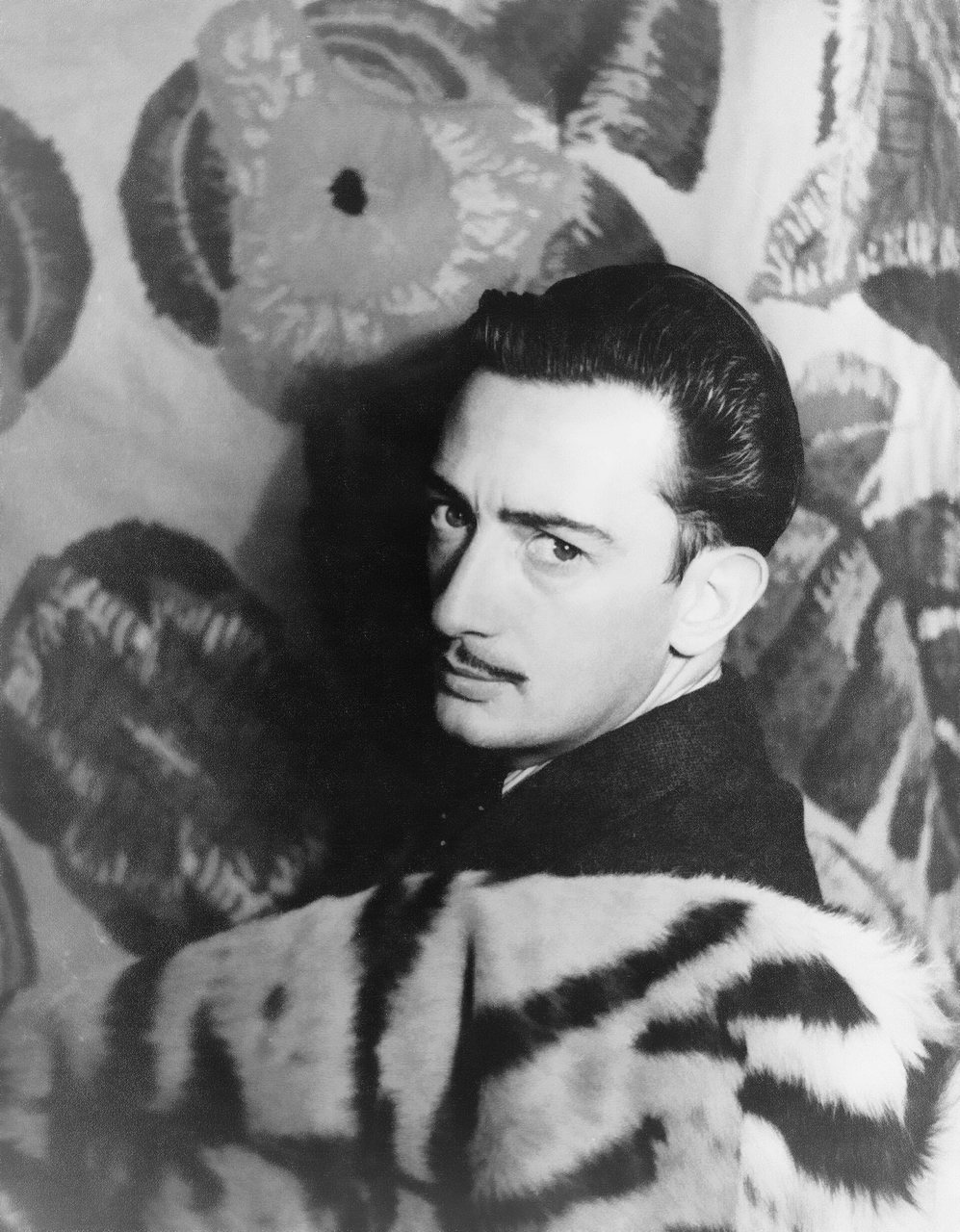
From Alice to Surrealism
One of the series on display, created in 1969, is devoted to Alice in Wonderland. It consists of twelve heliogravures. Each work repeats the silhouette of a girl with a jump rope, the only stable figure in a shifting, dissolving world.
Wonderland is not a place on a map. It is the moment when you stop believing your eyes and start believing your imagination.
— Salvador Dalí (virtual guide)
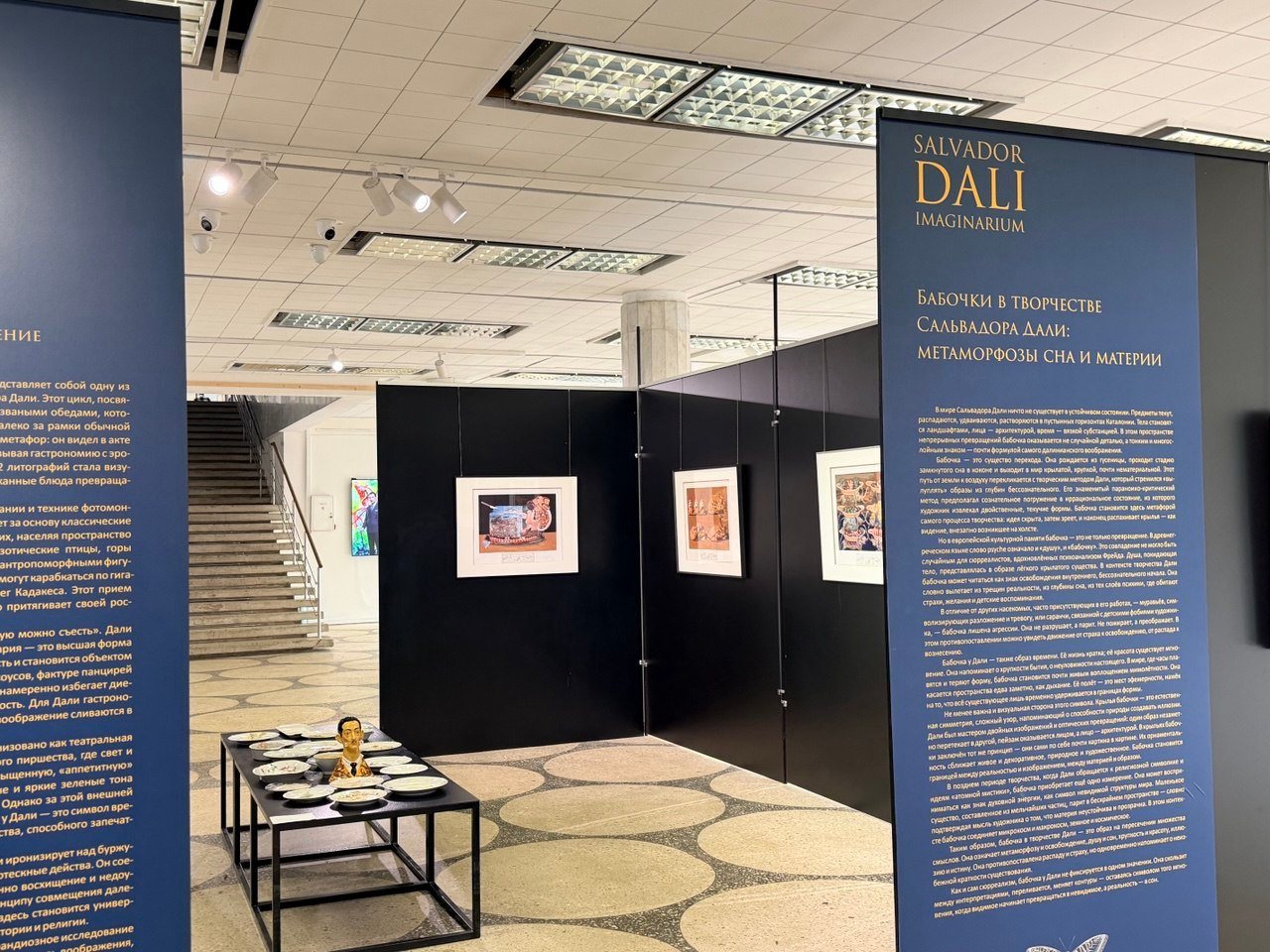
The exhibition offers a chance to explore the various graphic techniques Dalí worked in: etching, lithography and woodcut. In the series The Droll Dreams of Pantagruel, the artist reimagined sixteenth-century engravings inspired by the world of Rabelais. He heightened the absurdity of the images, creating impossible constructions of people, animals and objects assembled according to the logic of dreams.
In the 1973 series The History of Surrealism, Dalí brought together his famous motifs: elongated figures, desert expanses, clocks and insects. The artist said his paintings were "photographs of the irrational world," and in this series he seems to take stock, laying out his visual vocabulary.
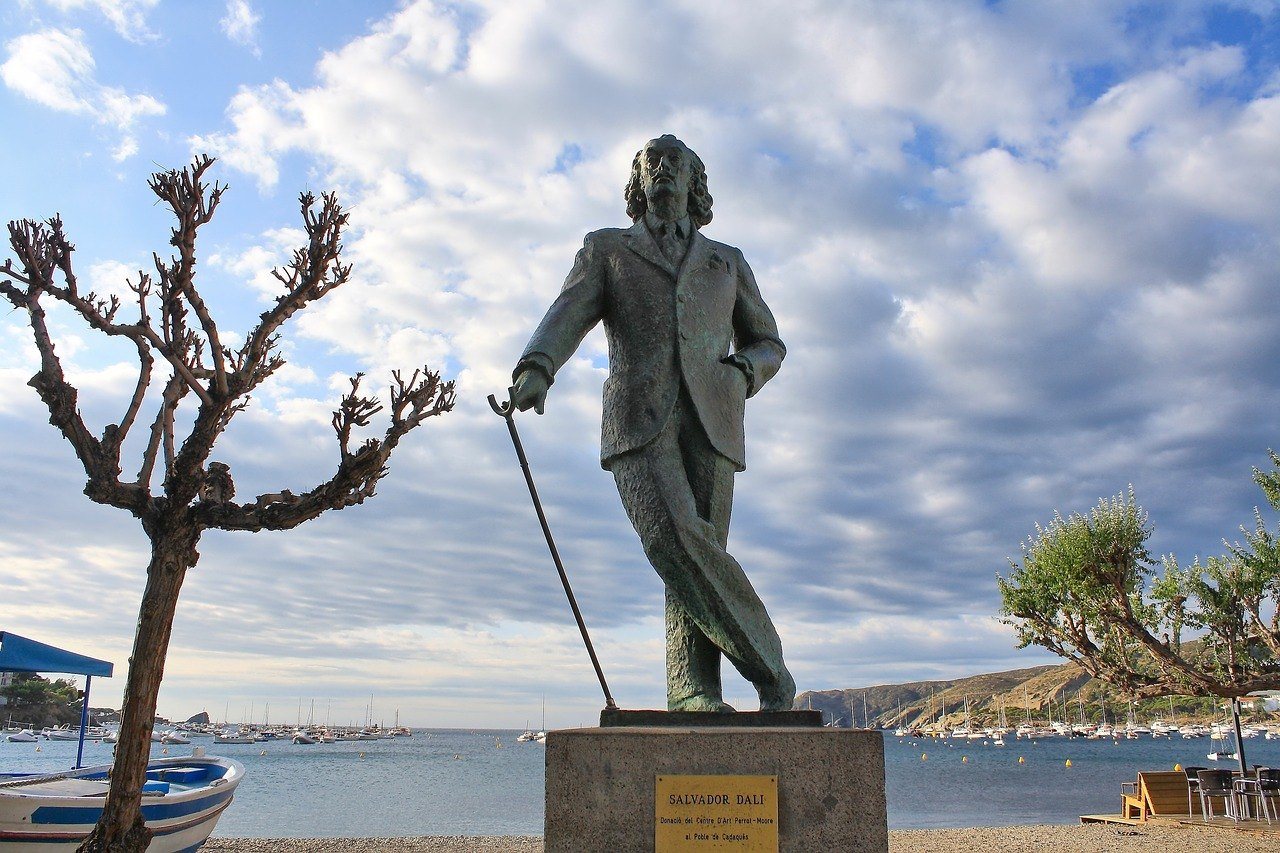
A Belarusian Context and a Film About Childhood
About a fifth of the exhibition is made up of works by Belarusian artists. Among them are painters known for their association with Socialist Realism, whose works take on a surreal ring when placed alongside Dalí's.
At the end of the exhibition, visitors are shown a short film about the artist, seven to ten minutes long, narrated by Dalí as a child. Visitors can also assemble jigsaw puzzles of the artist's works. The approach invites people not just to look at the pictures but to imagine, compare and be surprised.


Letters