
On the evening of May 29, 1913, at the Théâtre des Champs-Élysées in Paris, the usual pre-performance buzz was replaced by a roar like an approaching storm. Two weeks earlier, Sergei Diaghilev's Ballets Russes had already presented a new production here, Vaslav Nijinsky's Jeux, set to music by Debussy, which the audience had disliked: instead of graceful pas, the dancers depicted a game of tennis. Upon seeing Pierre Monteux, who had also conducted the premiere of Jeux, at the conductor's stand and hearing the first bars of the overture to The Rite of Spring, the audience threw propriety to the wind and began to whistle. The scandal erupted before the curtain even rose.
The Composer Saw Spring in a Dream
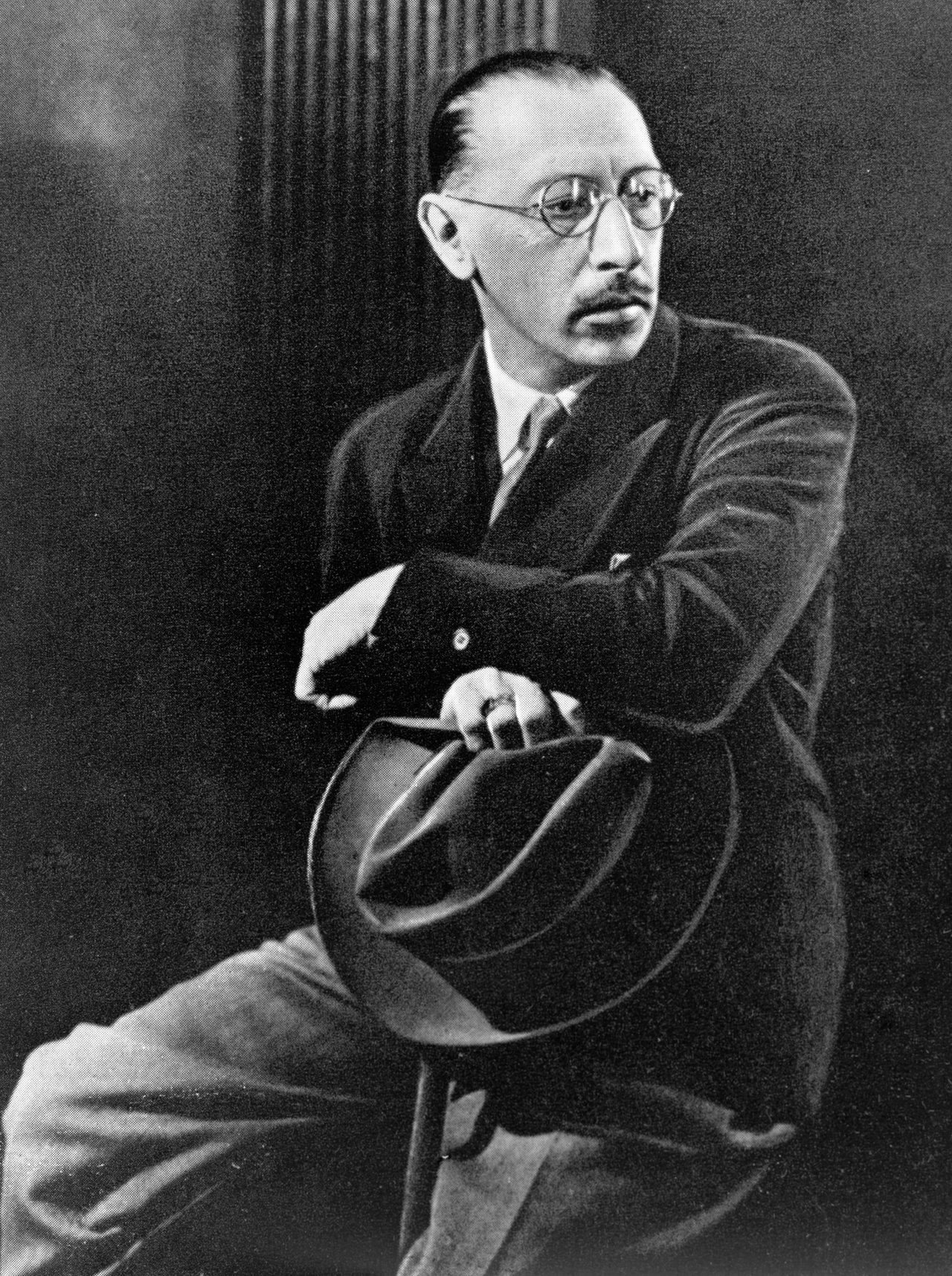
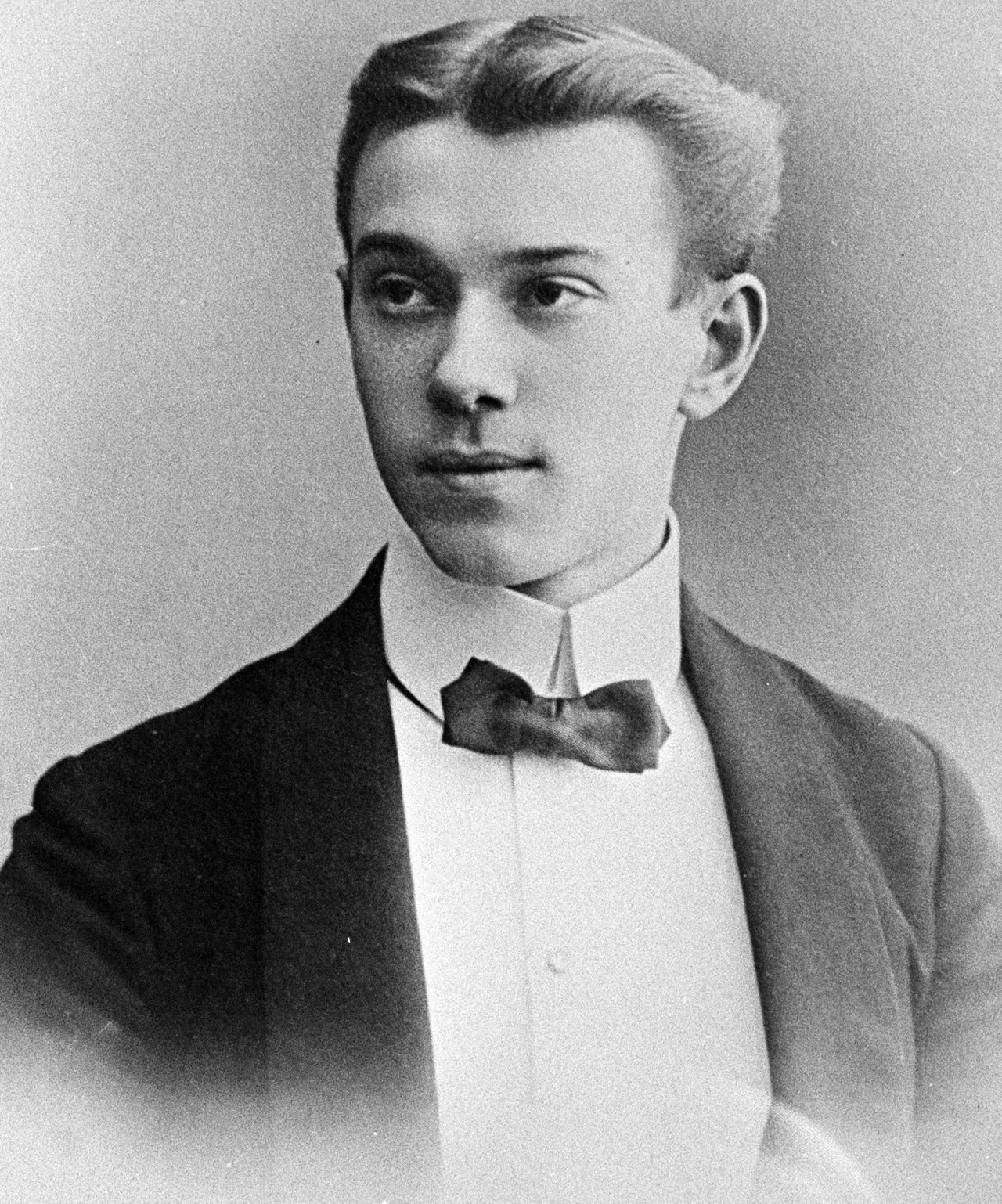
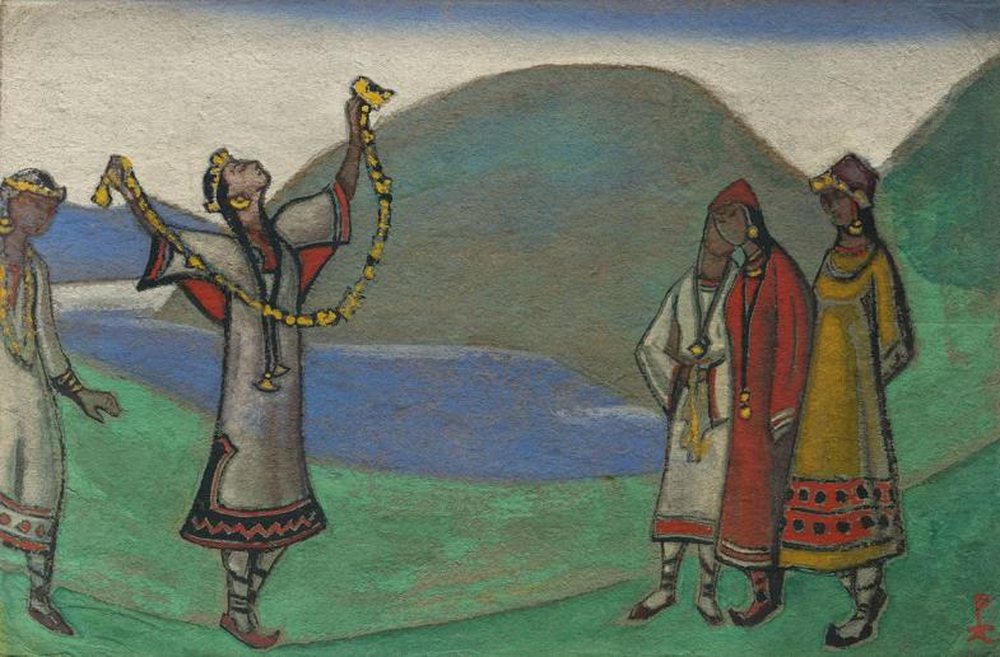
It is believed that the idea for the ballet came to the composer Igor Stravinsky in a dream: a girl, surrounded by elders, dances to awaken the spring and dies. He began to write the music, the artist Nicholas Roerich worked on the sets and, together with Stravinsky, wrote the libretto. The choreography was created by Vaslav Nijinsky. The result was a ballet almost without a plot, centered on a pagan ritual of the earth's rebirth after a long winter, with dances, round dances, and worship of the earth.
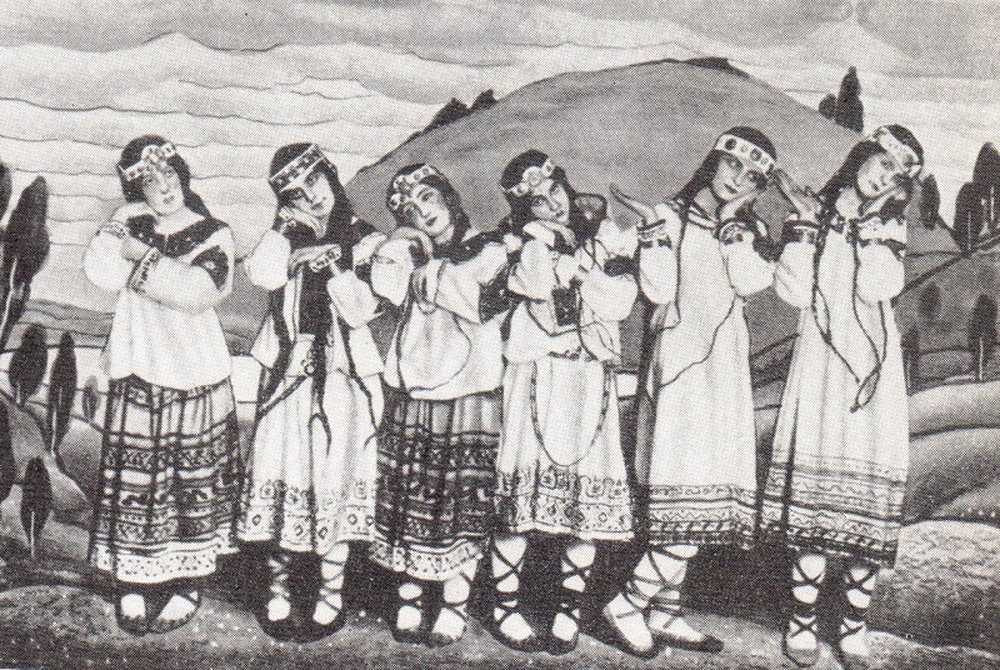
The dancers needed 120 rehearsals to get used to Stravinsky's music, which was unusual for ballet—with its sharp, broken rhythm and dissonances. The costumes, designed by Roerich, also bore no resemblance to elegant ballet outfits: they were voluminous smocks with solar patterns drawn by the artist himself.
The performers, in bast shoes instead of pointe shoes, turned their feet inward, slouched, hunched over, stomped, and jumped on straight legs. The choreography—essentially, the first example of modern dance—was so complex that Maria Piltz, who performed the role of the Chosen One, could not move after the premiere. She stood motionless, tears streaming down her face.
A Brawl in the Audience
This was not the ballet everyone was used to. Not a romantic story, but a pagan ritual with a human sacrifice. The audience perceived this as a violation of all conventions. The noise in the hall grew; the dancers could barely hear the orchestra but continued their performance. Nijinsky counted out the rhythm for them from the wings, while in the audience, Claude Debussy begged the dissenters to be quiet and got into an argument with one of them. Nicholas Roerich tried to find an explanation for what was happening: "Who knows, maybe at that very moment they were in a state of inner ecstasy and were expressing their feelings like the most primitive of tribes."
The ballerina Romola de Pulszky, Nijinsky's fiancée, described what she saw: the commotion and shouting reached a climax, people whistled, laughed, and hurled insults at the dancers and the composer. Deafened by the noise, she rushed backstage, where the atmosphere was no better: the dancers were trembling and holding back tears that a month of composing music and endless rehearsals had ended in such chaos.

Stravinsky was the first to lose his composure: the composer left the hall and hurried to help Nijinsky. At that moment, the theater resembled a dockside tavern. Supporters of Stravinsky and Nijinsky mingled with their opponents. The audience shouted, grabbing umbrellas, canes, and chairs. Brawlers tried to pull top hats over each other's eyes. The hall was a mix of screams, hysterical laughter, flashes of light, applause, and shouts of "How much longer?!" Before the audience's eyes, ballet as entertainment ceased to exist, and a new form emerged, one that forced them to analyze what was happening on stage.
Spring Arrives
The only one who was pleased with what happened was Sergei Diaghilev. "This is exactly what I wanted," he told the ballet's creators.
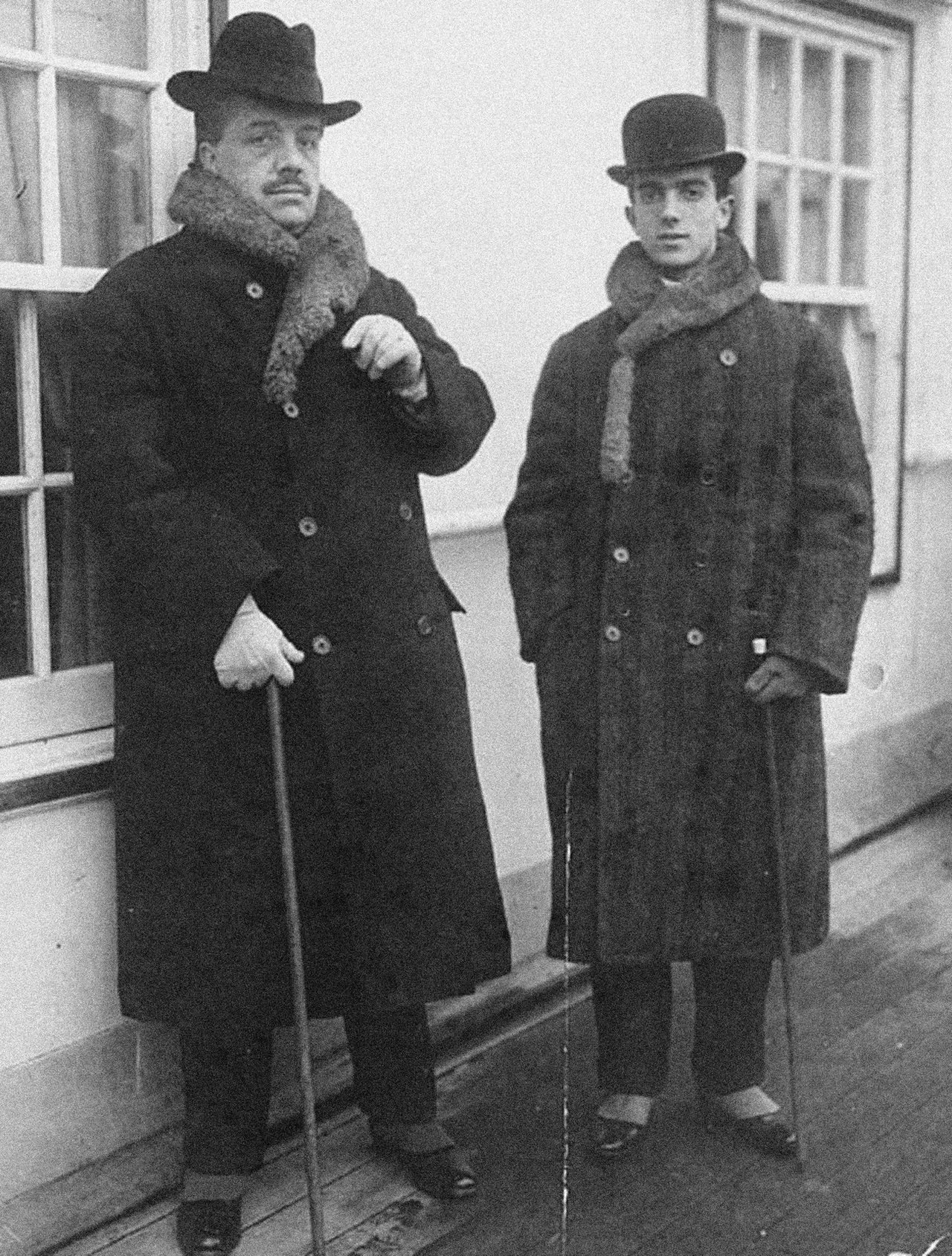
A year later, The Rite of Spring was performed in a concert version, and the public received it with delight. Vaslav Nijinsky's ballet entered the repertoire of the Ballets Russes and became one of the most important works of the 20th century. More than 300 versions of it later appeared in productions by Maurice Béjart, Mats Ek, Pina Bausch, and other stars of choreography.


Letters