
On Thursday, a nationwide strike swept across France, drawing hundreds of thousands of people. In Paris alone, as many as 80,000 demonstrators joined the protests.
The unions had originally planned to march through the capital's historic center, from the Place de la Bastille to the Place de la Concorde, but the authorities banned that route. In the end, the column set off from the Place de la République toward the Place de la Nation. That route skirts the main tourist districts, though unrest there cannot be ruled out.
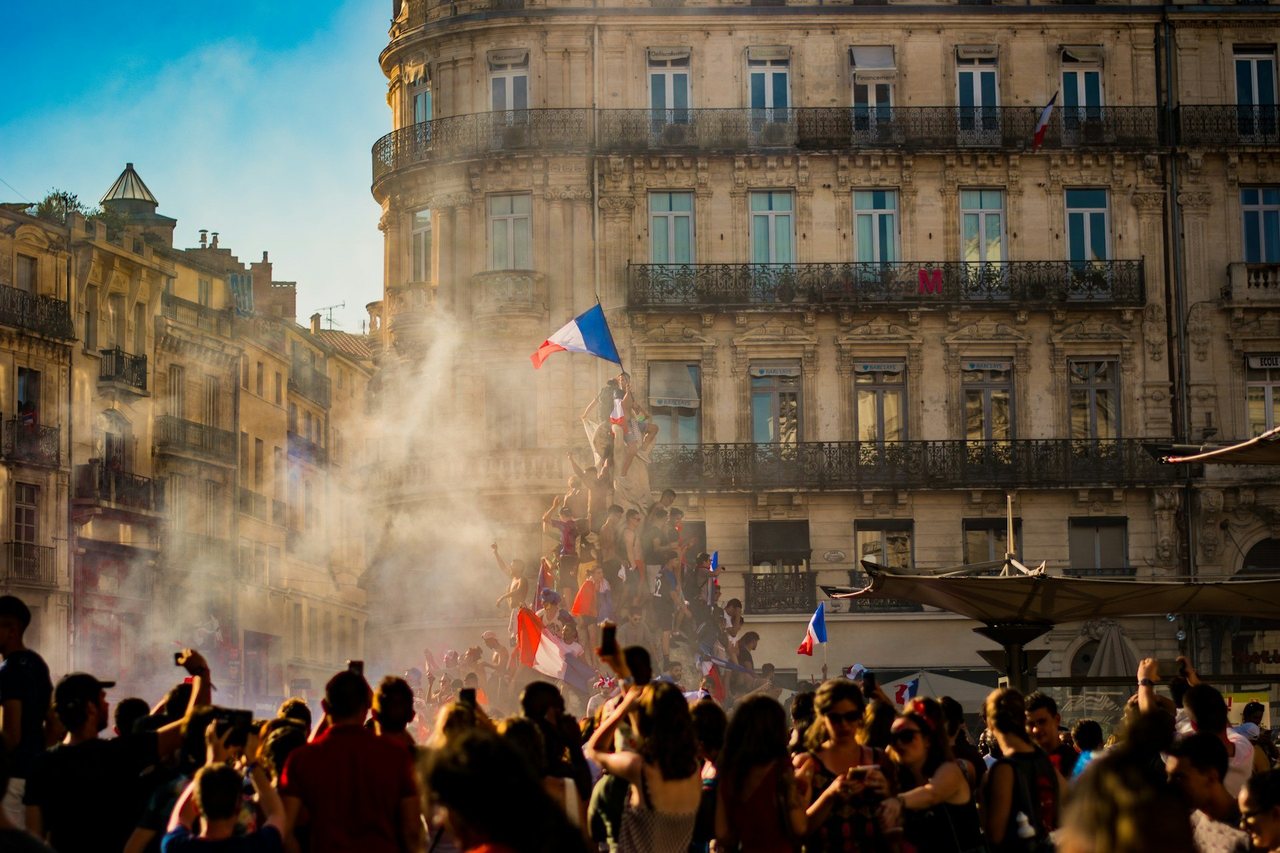
For security reasons, several landmarks restricted access to visitors. The Eiffel Tower closed entirely, and some of the Louvre's galleries are also off-limits. Visitors are asked to be understanding about these measures.
The strike disrupted public transportation. At the request of the police prefecture, 25 metro stations in Paris have been closed. The closures affect stations along the route of the march (among them Oberkampf, Saint-Ambroise, Voltaire, Charonne and Rue des Boulets), as well as stations near the National Assembly, the Place de la Concorde, the Champs-Élysées and the Latin Quarter.
Rail unions at SNCF have also joined the protests, so service on some lines has been reduced or suspended altogether.
Airport workers, including air traffic controllers, inspectors and ground staff, are also calling for a walkout. Even so, the industry body has reportedly not asked airlines to cut flights, and schedules are largely being maintained. Travelers are warned of possible delays at check-in counters and security checkpoints. In other French cities, the protests led to clashes with police.


Letters