Monday, 16 November 2026Issue of 15 November
Vietnamp. 2 of 12

Cavers in Vietnam Descend to a 350-Meter Waterfall in Phong Nha–Ke Bang
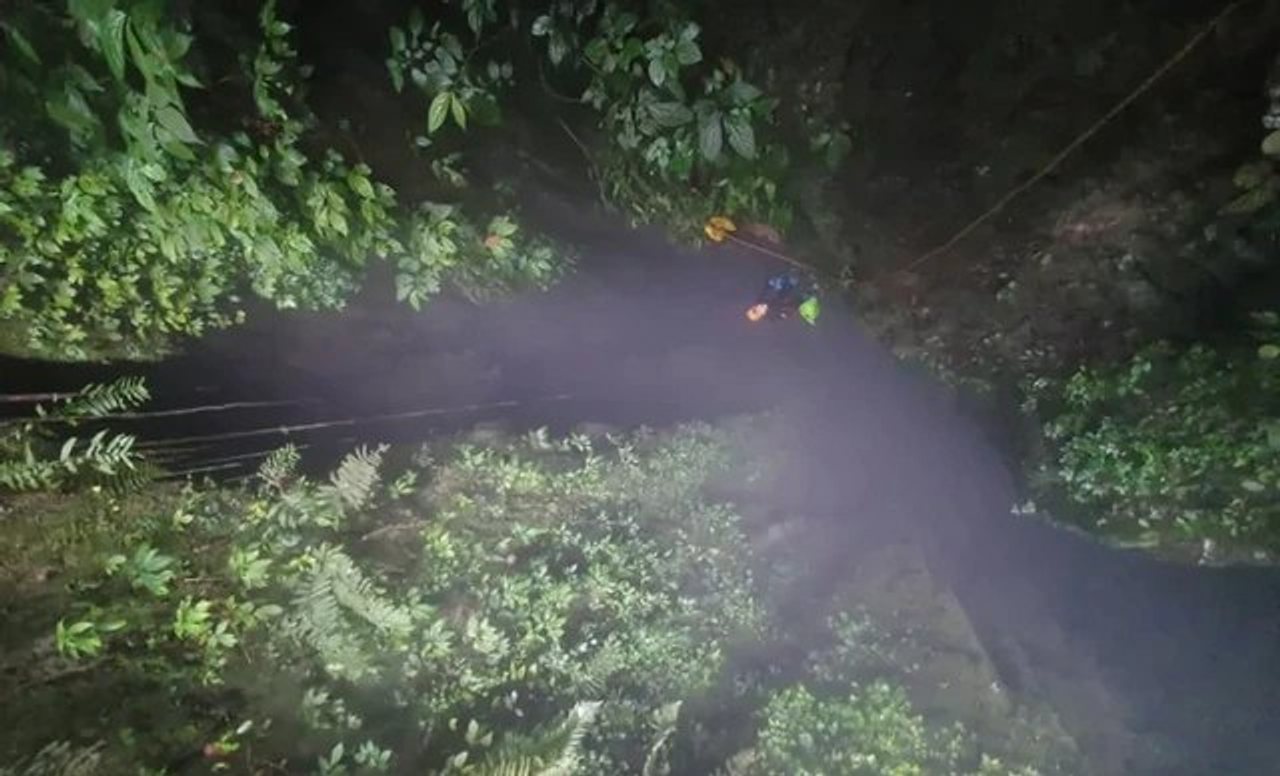
A waterfall plunging into a cave in Phong Nha–Ke Bang
The waterfall in Cha Ngheo cave. Photo: Phong Nha–Ke Bang National Park

In Vietnam’s Phong Nha–Ke Bang National Park, a UNESCO World Heritage site famous for its giant caves, cavers have explored Cha Ngheo cave, where a forest stream plunges into an almost vertical shaft. The waterfall drops about 350 meters, feeding a vast system of underground rivers. The entrance, at an altitude of 751 meters above sea level, is a deep well with a powerful, roaring stream of water. The descent, mostly on ropes down sheer rock in the spray of the waterfall, proved extremely difficult even for experienced explorers.

The first attempt to descend into Cha Ngheo was made back in 2023. That expedition, which had learned about the cave from local residents, ended in failure and injury. A falling rock struck one member and broke his arm. The others pressed on and got about 300 meters down but had to turn back: they ran out of rope, and the bottom of the shaft was still nowhere in sight.

As the newspaper Nhan Dan reports, a joint British-Vietnamese team returned early in 2026, far better prepared and equipped. The trek to the remote cave through jungle and rough terrain took a day and a half. To descend, the explorers had to use climbing gear, drill into the rock walls and install safety anchors. This time they brought several thousand meters of rope, enough, they hoped, to reach the bottom, yet even so only two of the specialists managed to reach the very bottom of the shaft.

At the bottom of the shaft they found a long horizontal passage. The water flows on through underground channels, and in places the explorers had to swim through cold water to move forward. The surveyed part of the cave measured a total of 583 meters.

Howard Limbert, the British caver who leads the team and helped explore Son Doong, the world’s largest cave, told the newspaper Nguoi Lao Dong that he considers Cha Ngheo one of the hardest caves to explore in his nearly 36 years of work in Vietnam. It is very cold and damp inside, the terrain is dangerous, and the descent demands advanced technical climbing skills. The two cavers who reached the bottom could not stay there long because they had no thermal clothing. The explorers believe this is only part of a large underground system and plan to return to continue the work in March 2027. Many parts of Cha Ngheo remain unexplored, and the team hopes the cave still holds new geological mysteries.
Vietnam’s Weather Splits: Dry Season on Phu Quoc, Rain in Nha Trang

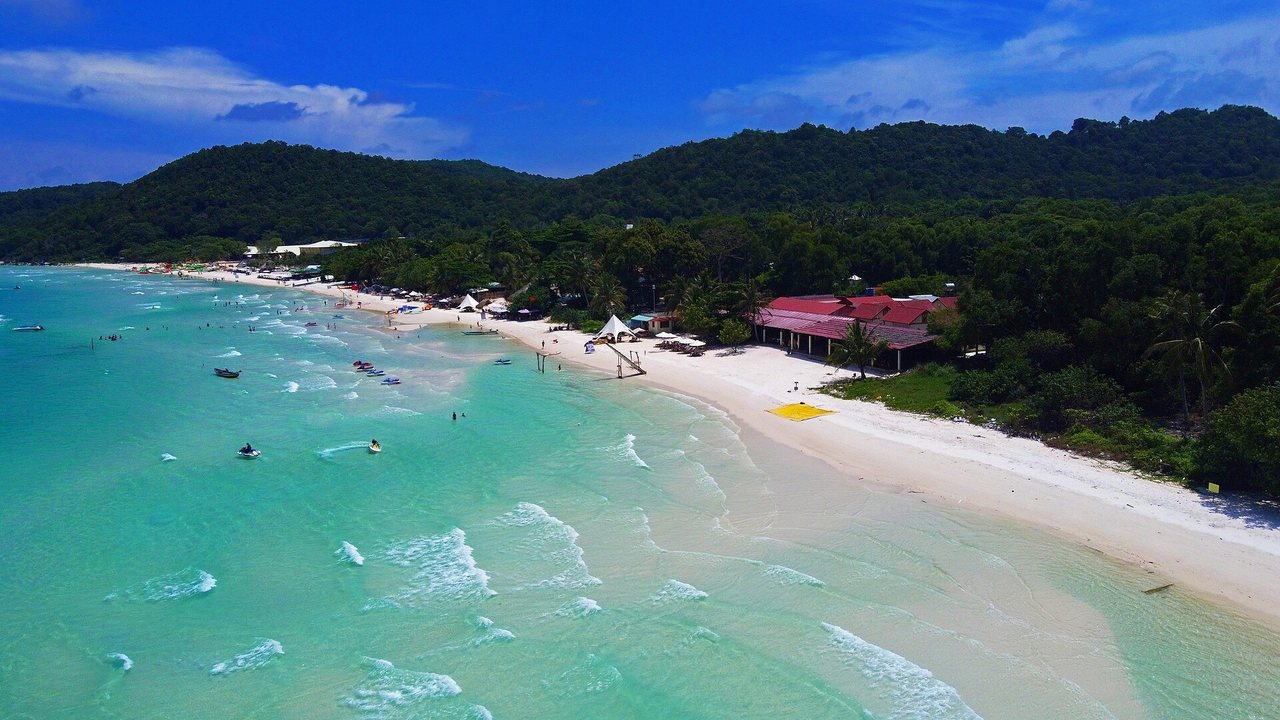
A white sand beach with palm trees and turquoise water
Sao Beach on Phu Quoc. Photo: Trantuonglam, Wikimedia Commons

Since the beginning of November, Vietnam’s two main resorts have had opposite weather. Travelers heading for the sea should take this difference into account when choosing where to go.

Nha Trang, in the center of the country, is now at the peak of the wet season brought by the winter monsoon. Daytime temperatures stay between 27 and 30 °C. Heavy tropical downpours fall almost every day. The wind whips up high waves, and red flags fly on most beaches. The sea is warm, at 27 °C, but murky because of the storms.

The weather is entirely different on the island of Phu Quoc in southern Vietnam. The dry season sets in there from November 8 and lasts for months. The air warms to 29–32 °C during the day, and a light sea breeze makes the heat easy to bear, and conditions are ideal for swimming and snorkeling. The sea along the coast is calm and clear, with the water at 28–29 °C.

The Palm Forest on the Kinh Giang River: From Trade Route and Military Base to a New Life

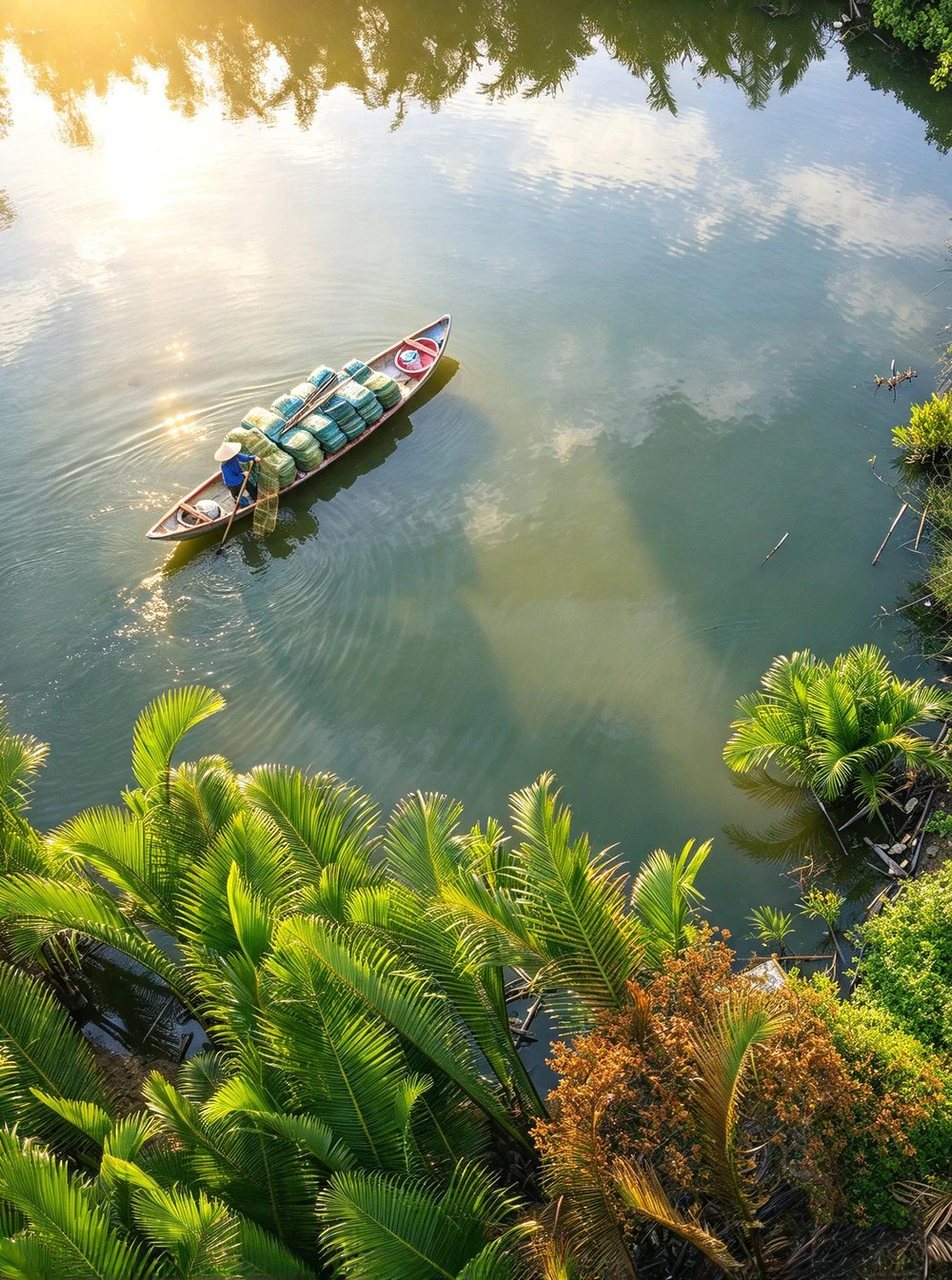
People rowing boats and setting nets on a river
Fishermen on the Kinh Giang River. Photo: Doan Vuong Quoc

In Vietnam’s Tinh Khe commune, a century-old forest of nipa, or water, palms stretches along the banks of the Kinh Giang River. Hundreds of years ago, says local researcher Cao Chu, a trade route ran through here. Merchants brought fish and cloth here to sell and carried water palm seedlings with them, from which the forest eventually grew. The river, rich in fish and shellfish, has fed the surrounding villages for gen­er­a­tions.

During Vietnam’s wars of resistance the dense thickets sheltered guerrilla units. Local women recall that the fighters spent long stretches of time in flooded trenches, surviving on rice brought by local farmers and fish from the river. In 2007 the former base was designated a historical and cultural monument.

In the late twentieth century the forest suffered from unregulated shrimp farming but gradually recovered on its own. In 2023 more than 30 families formed the Mi Khe agricultural and tourism cooperative. According to its director, Nguyen Van Dung, the palms now cover almost 12 hectares of riverbank. The cooperative offers visitors boat trips through the narrow channels under the palm fronds, fishing and an introduction to local crafts and cuisine. In July 2024 the provincial authorities officially recognized the palm forest as a community tourist site.

Fourteen Poisoned by Pufferfish in Vietnam, One in a Coma

A pufferfish underwater
Photo: Rickard Zerpe, Wikimedia Commons, CC BY 2.0

On November 8, several families in the village of Phu Hai cooked a pufferfish brought in by a local fisherman for lunch. After the meal, 14 people were hospitalized with stomach pain and vomiting. A 48-year-old man fell into a coma and has severe kidney failure. The fish contains tetrodotoxin, a nerve poison that cooking does not destroy. Provincial authorities are investigating the poisoning and urge residents not to eat this fish.

UNESCO Allows Rebuilding of Thang Long Imperial Citadel’s Center to Restore an Ancient Palace

A historic palace in Vietnam
Photo: Olga Pro, Unsplash

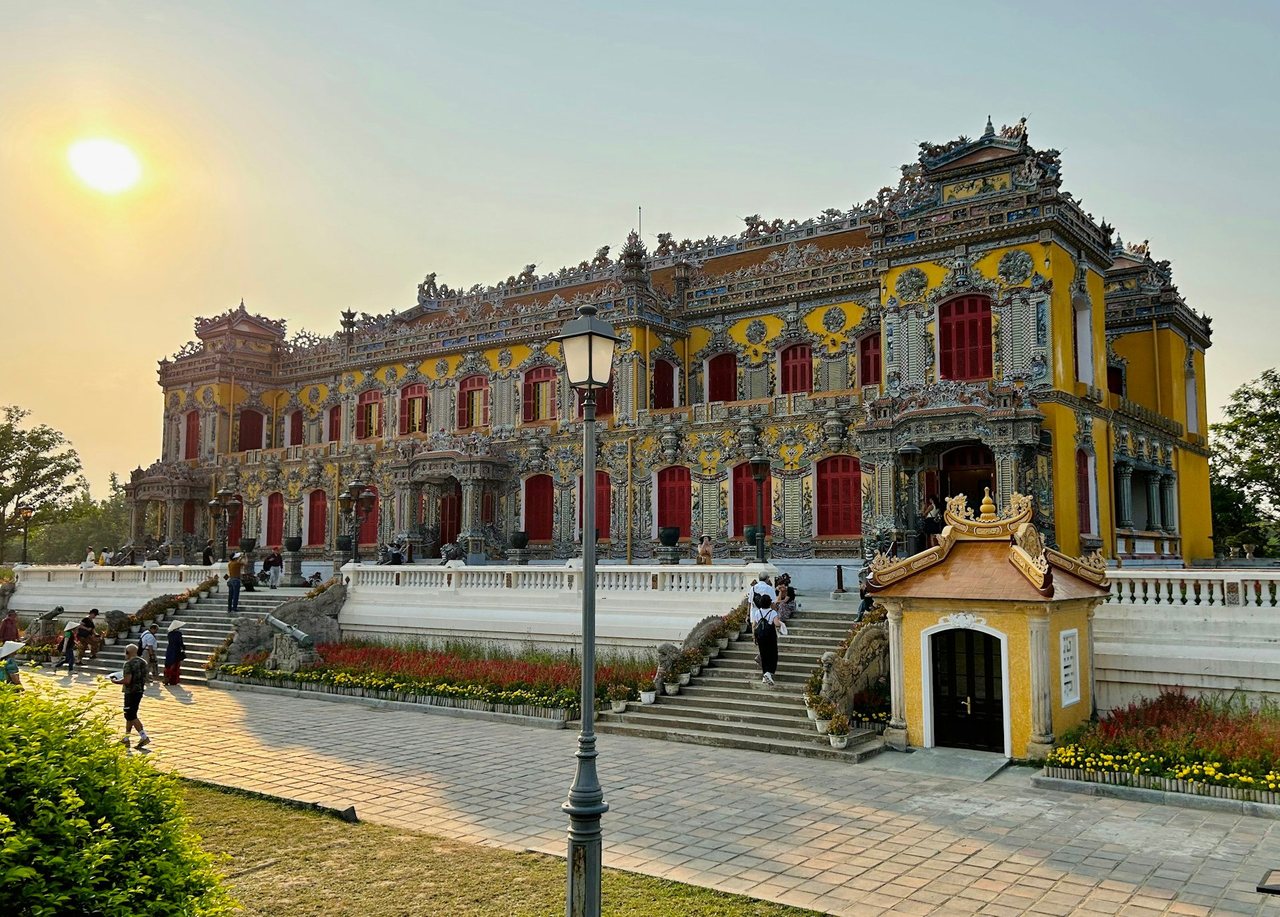
The decision, an exception to the rules for preserving world heritage, followed fifteen years of archaeological research and negotiations. Removing buildings from the protected area will make it possible to recreate the historic space of the main palace, Kinh Thien, in Hanoi’s ancient imperial citadel. The Thang Long Imperial Citadel has been a UNESCO World Heritage site since 2010, and Kinh Thien was once its main ceremonial hall.