Monday, 16 November 2026Issue of 15 November
Travelp. 9 of 12

First Trip to Istanbul: What to Know About Lodging, Transport and Prices
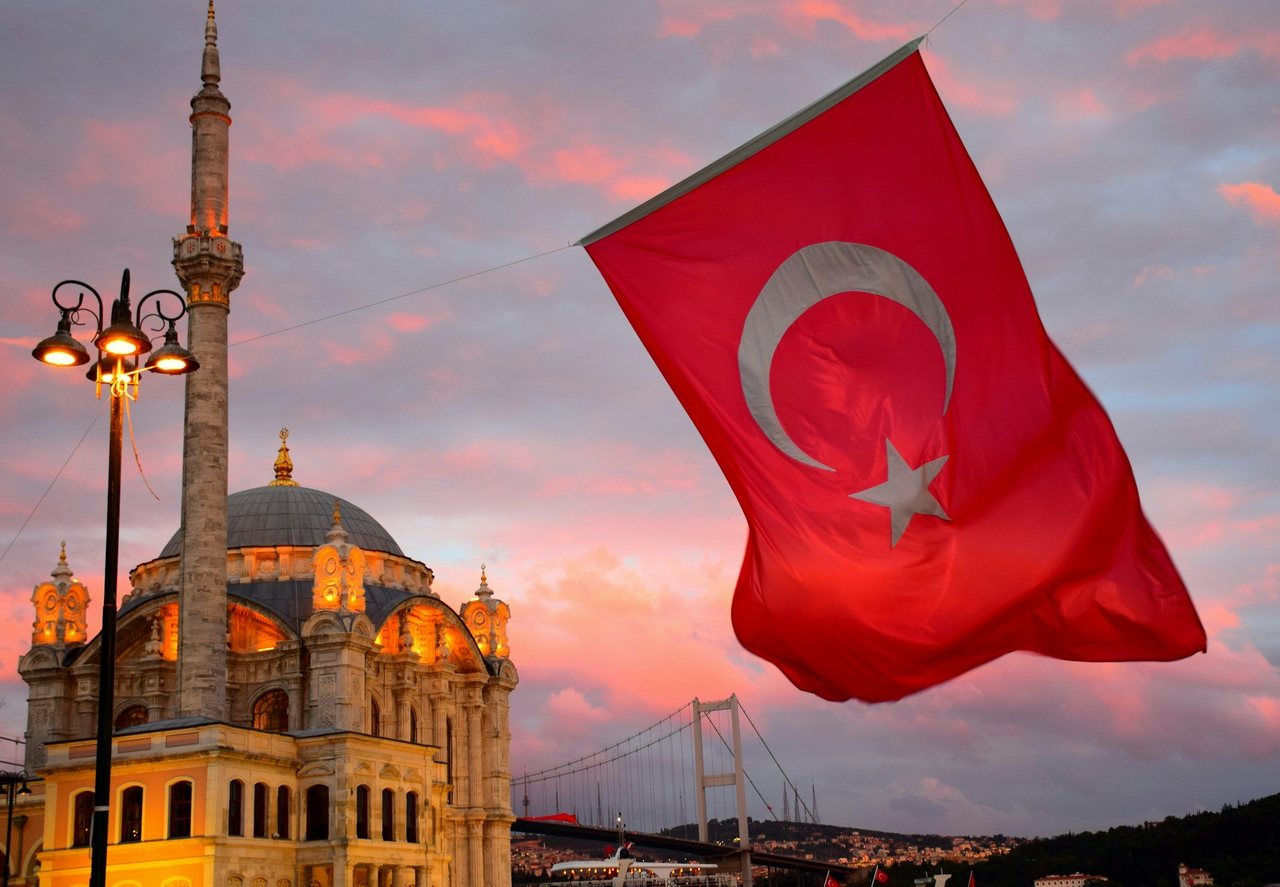
A mosque and a Turkish flag in Istanbul
Photo: Michael Jerrard, Unsplash

Istanbul spreads across two continents divided by the Bosporus. The historic center and most sights are on the European side, which the Golden Horn in turn divides into southern and northern halves, and that is the best place to stay on a first trip. The Sultanahmet district has Hagia Sophia and the Blue Mosque, convenient for sightseeing, but lodging and food prices there are set for tourists. In Galata and Karaköy, on the northern side near Taksim Square and İstiklal Street, you can find apartments and small hotels at reasonable prices. When choosing a place, keep the terrain in mind: the city stands on hills, and a street that looks perfectly flat on the map may turn out to be a steep climb. Those looking for a quieter life might consider Kadıköy or Üsküdar on the quieter, more residential Asian side, which have become popular with tourists in recent years, a 20-minute ferry ride from Europe.

Prices in the city have risen in recent years, but good food at fair prices can still be found. A cheap and filling lunch is available at a lokanta, a cafeteria-style eatery. In tourist areas lunch can cost 600–700 lira, while in neighborhoods for locals the same meal costs about 300 lira. Istanbul’s street food is worth trying: simit, a sesame bread ring, or balık ekmek, a fried fish sandwich.

The public transport system includes the metro, trams, buses and ferries across the Bosporus and the Golden Horn, which offer especially lovely views of the city. Fares are paid with an IstanbulKart. In 2026 the card costs about 165 lira, a ride costs 40–45 lira, and trans­fers within a set time are discounted. Cards can be bought and topped up at the yellow machines found at most stations, but beware of “helpers” at the terminals who may trick you into loading money onto their own card.

Museum tickets in Istanbul are expensive for foreigners. Entry to Topkapı Palace costs about 2,750 lira. Those planning to visit several state museums may consider the Museum Pass Istanbul. It is valid for five days and costs 105 euros in 2026. Bank cards issued in Russia do not work in Turkey. Without a card from a foreign bank, it is best to bring enough cash dollars or euros to exchange.

Bali Hunts Visa Violators in Russian-Language Telegram Channels

Palm trees silhouetted against the sky
Photo: pxhere/Andrew

Bali’s immigration service has created a cyber unit that uses computer algorithms to look for visa violators. It monitors Russian-language Tel­e­gram chats for ads offering to sublet villas or seeking roommates. Under local law this counts as commercial activity, which is forbidden for foreign tourists.

Several cases are already known. A young woman from Kazan wanted to help a house’s owners find tenants and posted an ad. An immigration officer posing as an ordinary user responded to it. After questioning, she was deported from the island. Another Russian woman was expelled over an ad seeking a roommate that stayed online for a couple of hours.

Since the start of the year, Bali has expelled two thousand tourists for illegal commerce, compared with 400 in all of last year. Posting such ads can lead to deportation.

Tashkent Airport Begins Confiscating Passengers’ New Smartphones

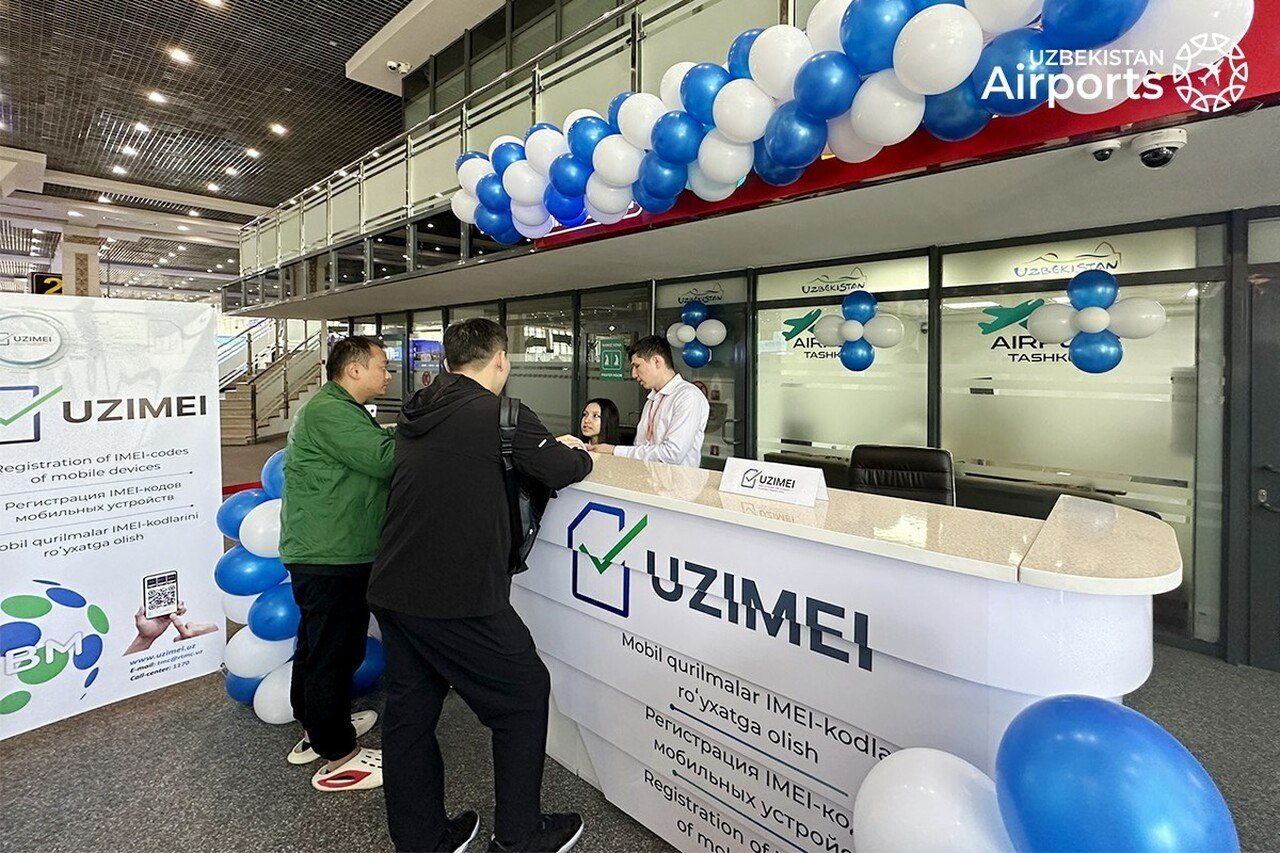
Passengers at a counter in Tashkent airport
Photo: Uzbekistan Airports

At Tashkent’s Islam Karimov International Airport, customs officers have now begun confiscating new mobile phones from passengers. Clearance of devices brought into Uzbekistan has been temporarily halted for a technical check, said Khusan Tangriev, spokesman for the Customs Com­mit­tee.

The reason, as the news agency Fergana reports, was frequent attempts to bring in phones illegally under the guise of personal belongings. Some arriving passengers, according to the customs spokesman, use fake IMEI identification codes to avoid paying duties. Since the start of the year the service has found 185 such cases and seized a total of 1,185 devices worth 8.8 billion sum, about $732,000.

Checking IMEI codes requires special technical expertise, the agency explained, so clearance has been suspended until procedures are clarified. Phones are seized against a receipt, and owners are promised they will be returned once all checks are complete. No firm date has been given for resuming clearance or for how long the checks will take. The temporary restrictions, the spokesman said, do not affect ordinary tourists.

The uncertainty has already affected the local market. Uzbek media report that new smartphones at Tashkent’s Malika market have gone up by about $200. At the same time, claims appeared on social media that extra payments were being demanded to speed up clearance: users claimed the procedure normally takes up to 30 days and that $400 to $1,100 was being asked to speed it up. Tangriev denied any such fees and urged people to report corruption to the committee.

Villa Vie Residences’ Odyssey Liner Seized in Singapore

The round-the-world liner Odyssey, which Villa Vie Residences marketed as a floating home for residents who wanted to see the world without leaving the ship, has been seized in the port of Singapore. According to the BBC, the ship was detained by order of a local court. Creditors are looking after the 156 crew members still on board.

According to the American network CBS News, the ship may be put up for auction. One attempt by investors to buy it has already failed, and another group is now trying to acquire it.

At the end of October the cruise operator cut the voyage short. It asked 203 passengers to disembark in the Cambodian city of Si­ha­nouk­ville, citing rising fuel costs. The company had offered the right to live aboard permanently from $99,900. In one widely reported case, a passenger sold everything she owned to spend the rest of her life at sea.

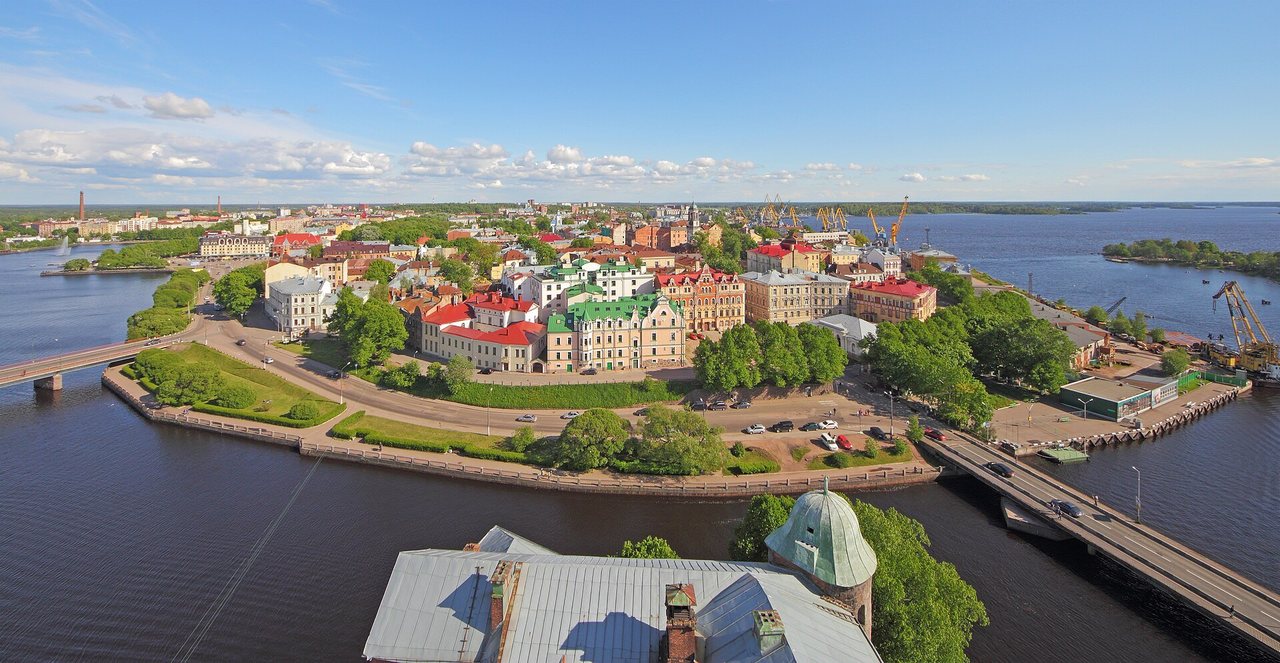
From Moscow to Karelia via Vyborg on the New Northern Ladoga Tourist Train

A view of Vyborg Castle from St. Olaf’s Tower
Vyborg. Photo: A. Savin, Wikimedia Commons

The new Northern Ladoga train, launched by Russian Railways, links Moscow with the old town of Vyborg and the Karelian town of Sortavala. It will leave the capital on Fridays and return on Monday mornings. Pas­sen­gers spend Saturday in Vyborg and Sunday in Sortavala. A berth in a sleeper compartment starts at 11,989 rubles. Breakfasts are included in the fare; excursions are sold separately. The train stays in Vyborg for almost a day and in Sortavala for twelve hours. From Sortavala you can visit Ruskeala Mountain Park, a set of former marble quarries now flooded with clear water.