Michelin-Listed Rice Rolls and a New Ao Dai Every Day
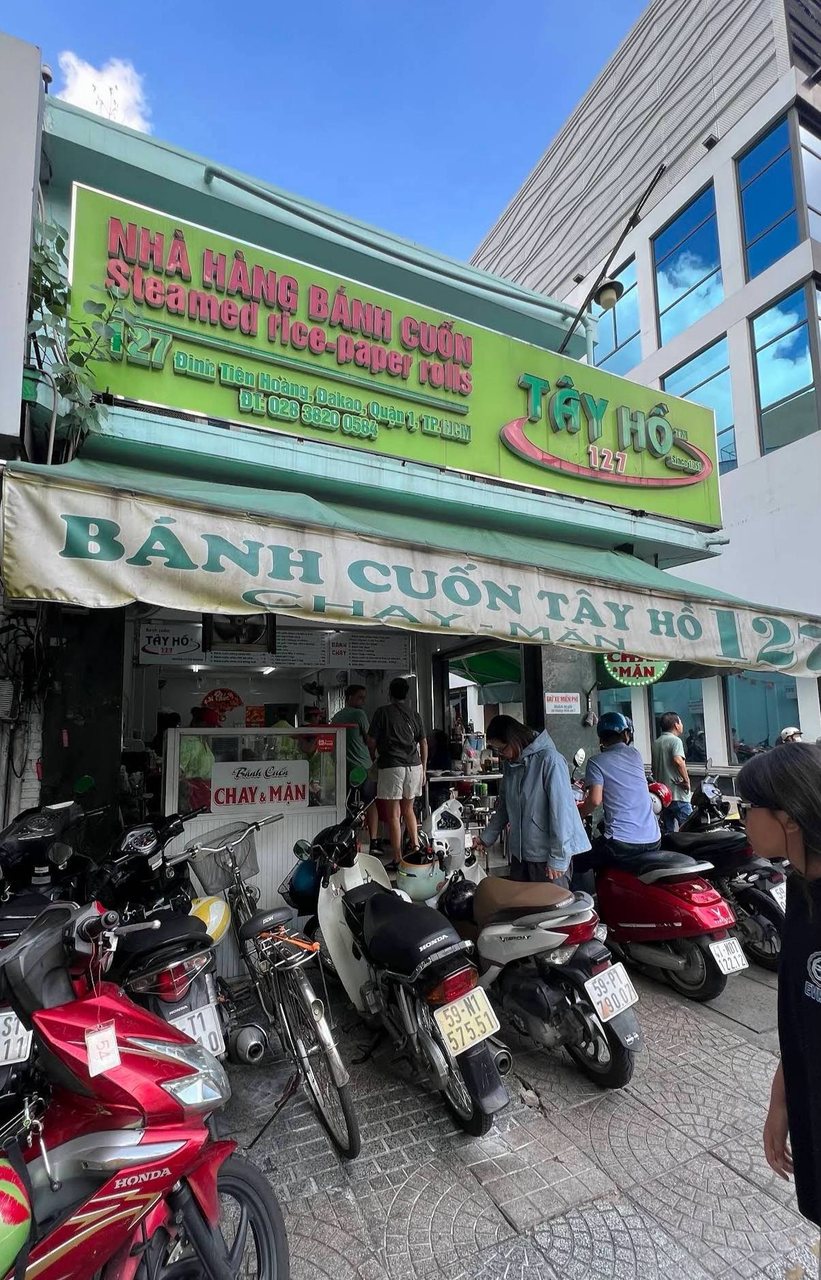
For more than sixty years, the family-run eatery Banh Cuon Tay Ho on Dinh Tien Hoang Street in the Tan Dinh area of Ho Chi Minh City has preserved the traditional taste of banh cuon, delicate steamed rolls made from rice flour. In 2026 the Michelin Guide once again included the eatery in its Bib Gourmand category, which recognizes places that serve good food at reasonable prices. Since then, foreign tourists have joined the regulars drawn from among local residents.
Guests are greeted by 52-year-old Tran Thi Thuy Loan, the daughter-in-law of the founder. She does the cooking, settles the bill with customers and waits on the tables herself, invariably dressed in the traditional Vietnamese ao dai. Her collection numbers nearly 450 of these dresses, which allows her to go more than a year without ever repeating an outfit. Ms. Loan says that at first she felt shy, but the compliments of her customers gave her confidence. She regards her dress as a way of presenting guests, especially those who come from abroad, with the image of the Vietnamese woman.
The story of the eatery began with Ms. Loan’s mother-in-law, Tran Thi Ca. In 1962 she opened a street stall selling banh cuon. The stall stood beside a temple honoring Phan Chau Trinh, a figure of the national liberation movement whose pen name was Tay Ho. Local residents grew used to calling the rolls “banh cuon Tay Ho,” and over time the name became a brand. For the past two years, Ms. Loan has taken on the main responsibility for running the business.
The family still sticks faithfully to the recipe it received from Ms. Loan’s mother-in-law. What sets the filling apart is that instead of ground meat with wood ear mushrooms, it uses finely chopped pork combined with jicama, a Mexican turnip that gives the dish a light crunch. The rolls are steamed right at the counter and served piping hot. They come with fish sauce, pork sausages from Hue and two kinds of Vietnamese ham. On request, a drop of essence from the giant water bug Lethocerus indicus can be added to the sauce, a reminder of the traditional way the dish is served in northern Vietnam.
A serving of rolls costs from 40,000 to 72,000 dong, and a drop of water bug essence will cost another 5,000. Customers praise the thin rice batter and the speed of the service, though some consider the prices high, especially for the extras. Ms. Loan told reporters that some of her guests who now live abroad, whenever they return to Vietnam, always come back to the eatery for the taste of their childhood.