Thursday, 12 November 2026Issue of 8 November
Vietnamp. 3 of 12

Kim Lan Steps Out of Bat Trang’s Shadow

Potter’s wheel. Photo: MrHà, Pixabay

The village of Kim Lan, which lies on the left bank of the Red River on the outskirts of Hanoi, long remained in the shadow of its better-known neighbor, the pottery center of Bat Trang. In recent years, new research and the efforts of local artisans have brought attention back to it.

In 2001, 2003 and 2009, Vietnamese and Japanese archaeologists carried out excavations at Ham Rong, a site on the bank of the Red River. They uncovered tens of thousands of shards and the remains of kilns dating from the 8th to the 18th century. The finds showed that pottery-making in Kim Lan flourished under many dynasties, especially from the 11th to the 14th century. Where Bat Trang was known for its decorative ceramics, Kim Lan specialized in simple, practical wares for the home.

From the 18th century on, the craft went into decline, and the pottery of Kim Lan was all but forgotten. A revival began in the 1970s, and by the 1990s the village already had some 750 kilns in operation. On January 23, 2025, the Vietnamese authorities added Kim Lan pottery to the national list of intangible cultural heritage. In January 2026, 21 artisans were awarded the titles of Meritorious Artisan and People’s Artisan.

Today the village of Kim Lan still has more than 350 kilns in operation. Many workshops turn out pieces made in molds with printed patterns. Some of the artisans, however, among them the potter Pham Van Nguyen, remain faithful to handwork on the potter’s wheel. For a potter to create pieces like these, in his words, he must truly love his craft and possess creative energy, persistence and patience.

Kim Lan is home to Vietnam’s first community archaeology museum, which is run jointly by the local authorities and the villagers themselves. Together with a design center and the village’s old pagodas, it attracts tourists to the village of Kim Lan.

California Fitness Shuts Its Gyms

Gyms belonging to the California Fitness & Yoga chain are shutting down across Vietnam, leaving customers who bought expensive memberships with neither their money nor their workouts.

In August, Ho Chi Minh City resident Bao Phuong paid 104 million dong, about $3,900, for a lifetime membership, but attended only ten sessions. Her club closed for “restructuring,” and of the chain’s 14 gyms in her district that she checked, only two were open. In Hanoi, where all nine of the chain’s gyms had stopped operating by the end of October, a customer, Dang Le Anh Dung, told a similar story.

The chain’s chief executive, Dane Fort, apologized and promised to find a solution by November 19. Employees said they had not been paid for five months, since June. Some customers took out loans to pay for their memberships and now owe banks for services they never received. Those affected are now banding together in order to file class-action lawsuits.

Accidentally Wes Anderson

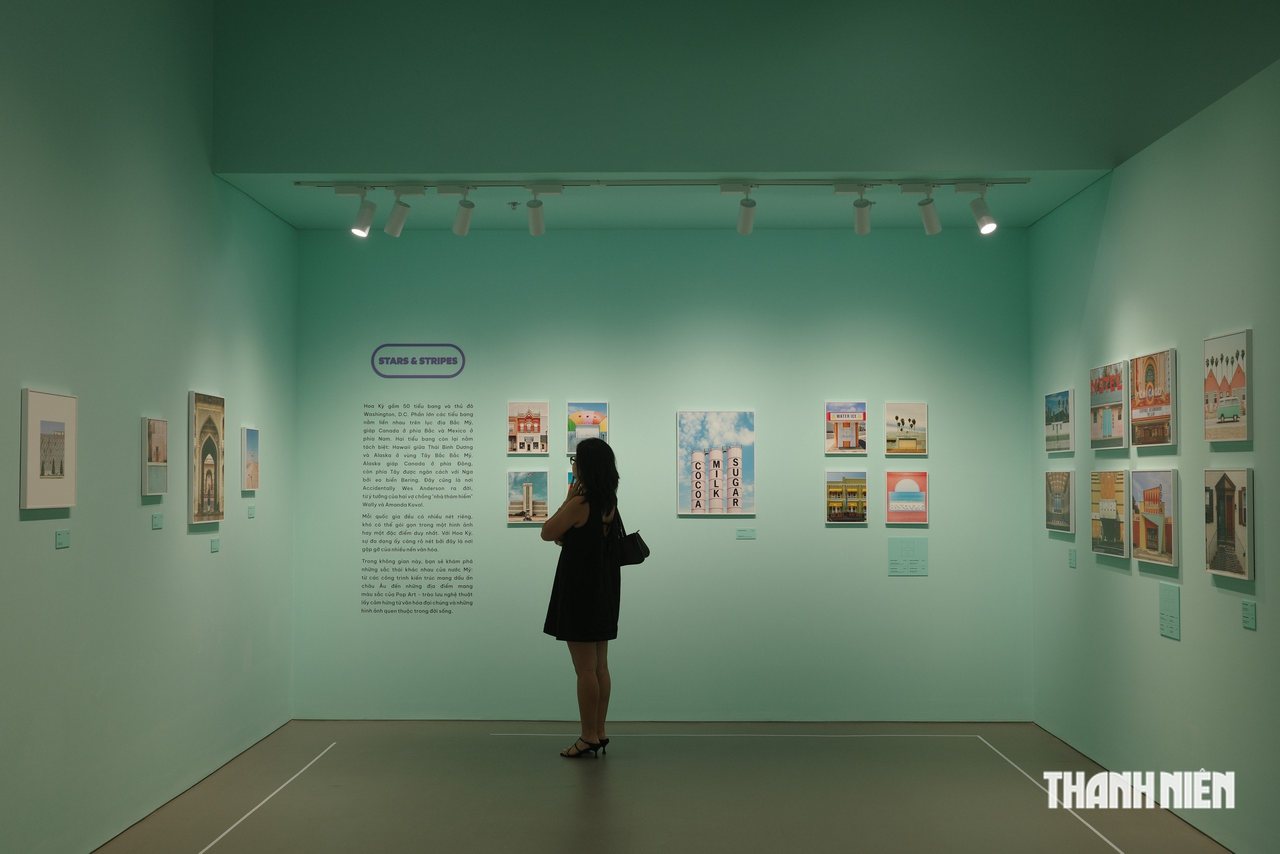
The exhibition space is decorated in Wes Anderson’s signature colors
The exhibition space is decorated in Wes Anderson’s signature colors. Photo: Thanh Nien

An international exhibition of travel photography, Accidentally Wes Anderson, has opened its doors in Ho Chi Minh City. The display brings together more than 230 photographs of unusual buildings, landscapes and places from many different countries. What unites all of these photographs is a visual style reminiscent of the films of the American director Wes Anderson, which are characterized by symmetrical composition, bright colors, crisp architectural lines and a nostalgic mood.

The Accidentally Wes Anderson project began in 2017, when Wally Koval started sharing photographs on Instagram. Over time the project gradually grew into an international community of photographers and travelers who share a passion for architecture. Unlike staged shots, the work of the community captures real places that look as if they had stepped straight off a movie screen. Alongside the international work, the exhibition also includes photographs of Ho Chi Minh City itself, such as the Central Post Office and the Independence Palace.

As Ji Sung-wook, chief executive of the South Korean company organizing the show, told the newspaper Thanh Nien, the exhibition was first held in South Korea in 2021 and was a great success, after which it went on to be shown in Japan, China and Britain. According to him, the Vietnamese version is distinctive in that it combines two themes, Journey and Adventure, which in Korea had been presented as two separate exhibitions. In South Korea some 250,000 people visited the exhibition over a period of eight and a half months, and in Tokyo about 80,000 over four months. The organizers hope that in Ho Chi Minh City the number of visitors may even surpass those results.

The exhibition is open to visitors every day from 10 a.m. to 8 p.m. at the MO:MENT space in the Thu Thiem area of the city and will remain on view through May 5, 2027.

Firebeat: Hanoi Food and Music

Delegates press the button to launch the festival
Delegates press the button to launch the festival. Photo: SGGP

From November 27 to 29, representatives of more than two hundred local and foreign food brands will gather at Hanoi’s exhibition center to take part in the Firebeat 2026 festival. According to the organizers’ forecasts, about 150,000 guests will attend the festival over the course of the three days.

As a representative of Hanoi’s department of culture told journalists, the city authorities regard its cuisine as an important part of the capital’s appeal to tourists. The festival has been conceived as an annual international event that will bring together food, film, creativity and music and help to promote the image of Hanoi around the world.

The centerpiece of the program will be a food zone divided into five sections. One of them will bring together some 30 chefs from the World Barbecue Association along with masters of Vietnamese cuisine. Together they will present a variety of dishes prepared on the grill, among them recipes from as far afield as Texas, Brazil, Argentina and South Africa.

In the Asian section, visitors will be able to sample Japanese yakitori, Korean barbecue, Sichuan beef skewers and Indian tandoori chicken. A separate zone will be devoted to Hanoi’s signature dishes: phở soup; bún chả, grilled pork with rice vermicelli; chả cá, fish with turmeric and dill; bánh cuốn, steamed rice rolls; and egg coffee. Guests at the festival will be able to watch the masters of these dishes as they work and learn the stories behind traditional culinary crafts.

On the festival grounds, five of Hanoi’s historic city gates will be re-created. Along an 80-meter stretch of the route, a car from the Dong Xuan train will be installed, where visitors will be able to order food and drinks. They will also be offered a two-hour “dinner in the sky,” with a panoramic view of the Dong Anh district from high above. Musical performances, hot-air balloon flights and cooking classes will round out the festival’s program.