Thursday, 12 November 2026Issue of 8 November
Travelp. 9 of 12

Egypt Shuts Out Three Countries
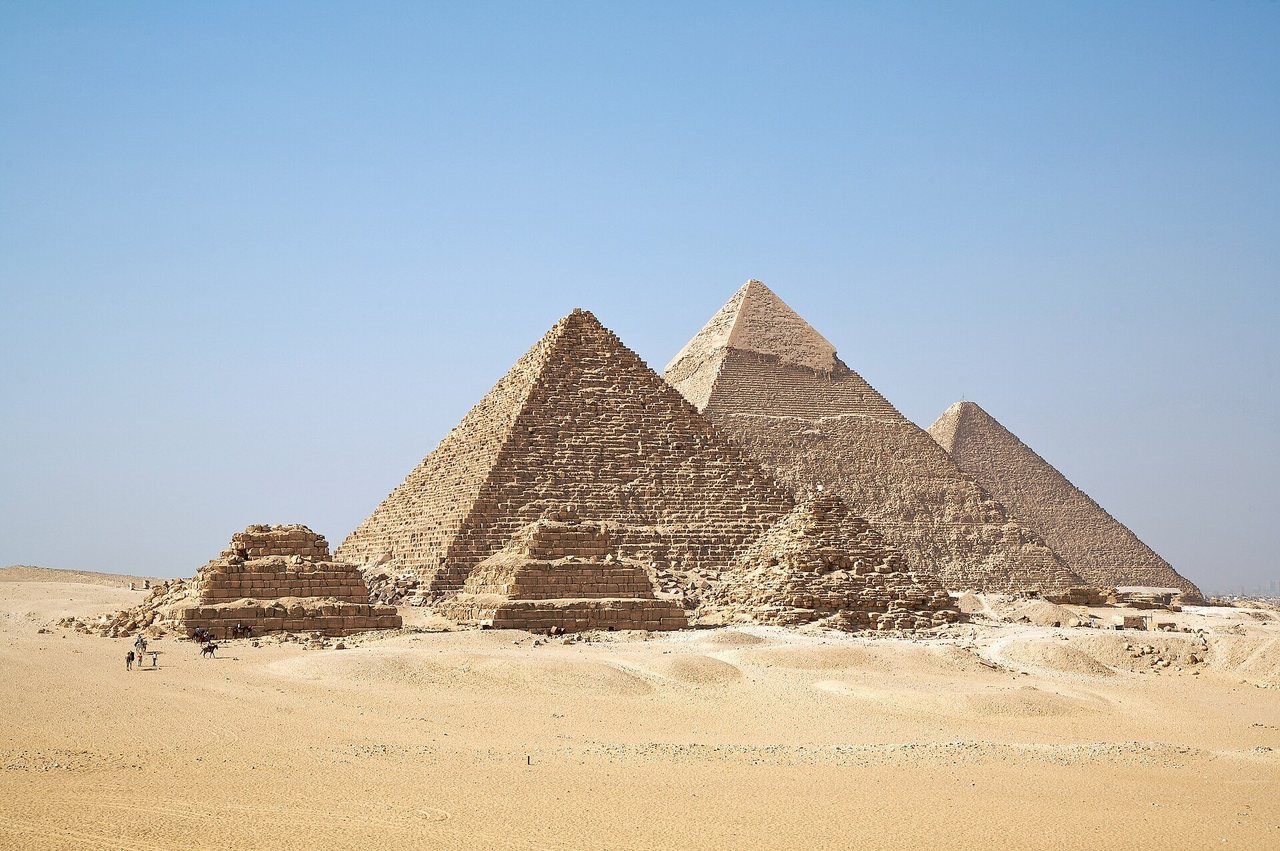
The pyramids of Giza against the sky
Giza pyramids, Egypt. Photo: Ricardo Liberato, Wikimedia Commons, CC BY-SA 2.0

Starting November 1, 2026, Egypt is changing its entry rules for citizens of Kyrgyzstan, Tajikistan and Turkmenistan. According to a document issued by Egypt’s Chamber of Tourism Companies and its Ministry of Tourism and Antiquities, citizens of these states will no longer be able to obtain a visa on arrival at Egyptian airports, including those in Hurghada and Sharm el-Sheikh.

From now on, a trip will require a visa obtained in advance through a consulate and the approval of Egypt’s security agencies. Every tourist traveling alone must have at least $3,000 in cash on hand, and every family at least $5,000. In addition, the host party will record the serial numbers of all of these banknotes. Under the new rules, citizens aged 16 to 40 will not be allowed into the country unless they are accompanied by their parents, spouses or children. On arrival, tour companies are required to collect travelers’ international passports and keep them locked in a safe until the travelers depart.

Similar restrictions had also been planned for citizens of Uzbekistan, but their introduction has been postponed until March 1, 2027. Citizens of Kazakhstan, meanwhile, managed to avoid the tightening of the rules thanks to negotiations conducted by the country’s Ministry of Foreign Affairs in Cairo.

Officially, the new measures are intended to “ensure the regularity and transparency of tourist flows.” Local experts in the fields of migration and security, speaking on condition of anonymity, cite other reasons, however. One of them is the fight against illegal labor migration from the countries of Central Asia: many people arrived as tourists and stayed on to work. The confiscation of tourists’ passports on arrival is meant to put an end to this practice. The second reason has to do with concerns that the country’s territory, especially the Sinai Peninsula, could be used for illegal border crossings. The financial and age requirements are seen by these experts as a way to screen out undesirable people.

For citizens of Russia, the rules for entering Egypt have not changed. They can still obtain a visa on arrival just as they did before, and the new restrictions do not apply to them.
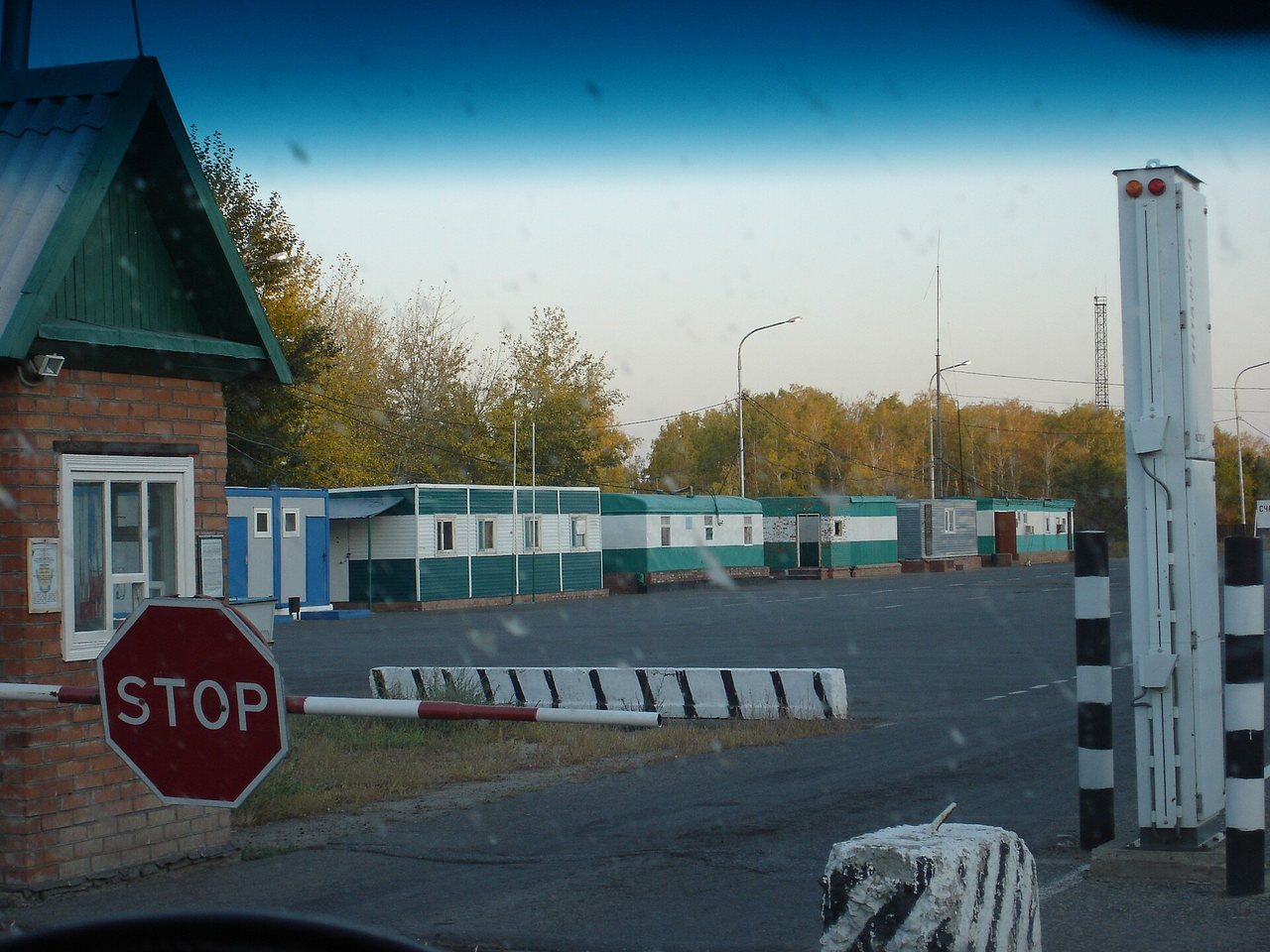

Kazakhstan Rolls Out E-Entry Permits

ETA for Kazakhstan: electronic entry permits
Photo: Zac allan, Wikimedia Commons, CC BY-SA 3.0

Kazakhstan is introducing electronic travel authorizations, or ETAs, for foreigners from visa-free countries. They can be obtained free of charge through the government’s QazETA digital platform. An ETA is valid for 180 days and allows a total stay of up to 90 days.

Twenty-nine categories of people will be exempt from the requirement, among them holders of Kazakh visas, as well as, children under 16 and people over 65.

The system is being introduced in stages. From November 1, 2026, it operates at Aktau International Airport and four road border crossings, and from January 2027 at the airports of Astana and Almaty. The authorization becomes mandatory on July 1, 2027; until then, no one will be refused entry for lacking one.

Japan’s Tax-Free Now at the Airport

Japan has changed its tax-free refund rules
Photo: dotzero, Unsplash

The Japanese authorities have changed the system of tax refunds for foreign tourists. The discount that used to be given at the register on presentation of a passport has been abolished: shoppers must now pay the full price of goods in stores, including the consumption tax, and can claim the tax back before their departure.

As the publication Essential Japan reports, the decision is meant to thwart resellers. In the past, many people bought goods tax-free and then resold them inside the country. The new rules are intended to guarantee that the benefit goes to the travelers who actually take their purchases out of Japan.

To get a refund, a tourist must show the purchased goods to a customs officer at the airport to confirm that they are leaving the country. The details of the purchase are entered into an electronic system, and the refund must be claimed within 90 days. If the items are to go in checked baggage, customs must be cleared before checking in for the flight. Customs officers may ask to see the purchases.

At the same time, some of the rules have been simplified. The authorities have dropped the division of goods into “general” and “consumable” categories, so cosmetics or food can now be opened and used during the trip instead of being kept in sealed packaging. The minimum purchase required for a tax refund remains the same: 5,000 yen at a single store in a single day.

The money may be refunded to a bank card, in cash or through a payment app; the method depends on the store. A fee may be deducted from the amount of the refund. Tourists are advised to keep all their receipts and carry their purchases with them until they have cleared customs.

A Country Without Starbucks

Liechtenstein has become popular with travelers seeking a quiet vacation. As the British press reports, the country does not have a single hotel belonging to a global chain, nor a single Starbucks coffee shop.

Instead, visitors are offered Alpine scenery and medieval castles. Above the capital, Vaduz, rises a 12th-century castle that serves as the residence of the reigning prince. The country has Europe’s densest network of hiking trails, totaling more than 400 kilometers. Some tourists manage to cross the whole principality on foot in just a few hours. At the mountain resort of Malbun, people ski in winter and go hiking in summer.

Europe expert Anatoly Kovtun links this trend to the growing popularity of “slow travel.” According to his estimates, demand for such trips in Europe has risen by 6.6 percent. Liechtenstein itself does not suffer from an excess of tourists, and prices in its cafés are lower than those in neighboring Switzerland.

Rescue Without a Signal

unsplash, photo editor: Adelina Mamedova
Hikers in the mountains. Photo: Unsplash

The AG Tag system consists of a personal device with an SOS button. The device determines its location via satellite and transmits the coordinates over a radio channel to rescuers up to 15 kilometers away, updating them every two seconds. According to the rescue services, they carry out more than a thousand search operations in the mountains around Almaty every year, often in places without cellular coverage.

The plan is to hand out the devices at 12 points on popular hiking trails, including Medeu and Shymbulak. The system has already been put to the test on six routes. As officials in the city administration said, trials with the participation of hikers and climbers will begin before the end of 2026.