Thursday, 12 November 2026Issue of 8 November
Georgiap. 4 of 12

Cash or Card: How to Pay in Georgia
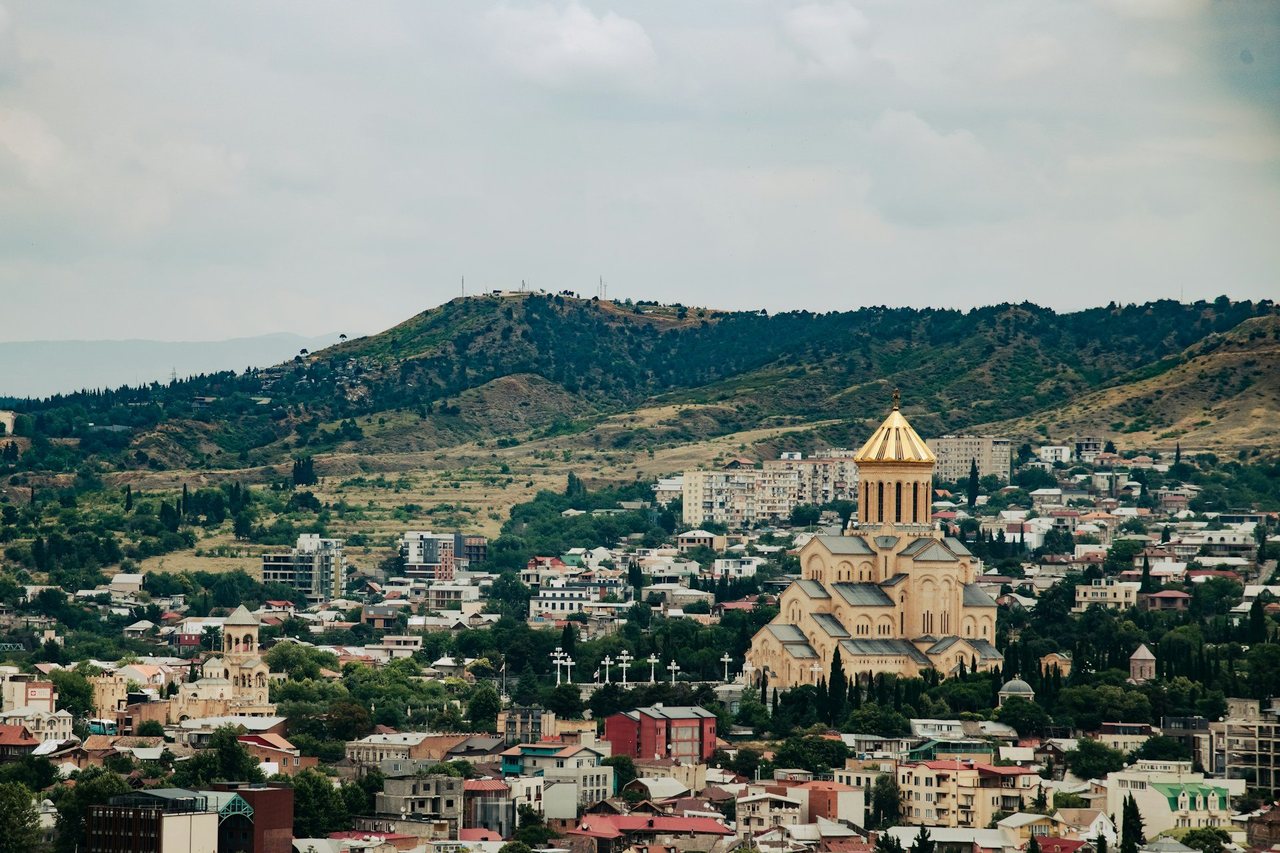
Tbilisi. Photo: Bao Menglong, Unsplash

Georgia’s national currency is the lari (GEL), which is divided into 100 tetri. Although paying by card in Tbilisi, Batumi and Kutaisi is getting easier and easier, cash remains indispensable in many situations. You will be asked for it in marshrutkas outside the capital, at farmers’ markets, in small souvenir shops and at guesthouses in rural areas. It therefore makes good sense to combine both methods of payment: use a card to cover large expenses such as hotels and restaurant bills, and pay in cash for transportation, street food and small purchases.

Visa and Mastercard bank cards are accepted at most businesses in the cities. Before your trip, it is worth notifying your bank that you will be traveling, so as to avoid having your card blocked. Some banks charge a fee on foreign transactions, as a rule 1–3% of the amount. When you pay, the terminal may offer to process the payment in your home currency, for instance, dollars or euros. This service, known as dynamic currency conversion, is best declined: always choose to pay in lari, since the exchange rate it offers is almost always unfavorable.

Cash can be withdrawn from ATMs, which are widely available in the cities. The main ATM networks belong to TBC Bank, Bank of Georgia and Liberty Bank. Georgian banks usually charge a fee for withdrawals made with foreign cards, about 3–5 lari per transaction, and on top of that there may be a charge of 1–2% of the amount. Information about all of these fees appears on the ATM screen before you confirm the transaction. Since the fee has to be paid on every single transaction, one large cash withdrawal works out cheaper than several small ones.

If you are bringing foreign currency with you, U.S. dollars or euros are the best choice, since they get the most favorable exchange rate. Exchange offices can be found literally at every turn, and they often offer better rates than the banks do, without charging any commission. A small sum can be exchanged at the airport to cover any urgent expenses on arrival, but the bulk of your money is better changed in the city itself. Under no circumstances should you use the services of street money changers.

Secret Graves for Dogs

Journalists from the television channel TV Pirveli in Tbilisi have reported secret nighttime burials of dogs taken from a municipal shelter. For several weeks the journalists kept a close watch on the municipal shelter on Tvalchrelidze Street. According to their information, after midnight an unmarked white minibus filled with the carcasses of animals leaves the shelter and heads for the Veli cemetery. The burials, as the journalists observed, take place on weekdays, and the vehicle sometimes makes two trips in a single night.

Animal advocates suspect that healthy and vaccinated animals may be among those killed. On social media, Tbilisi residents write about the disappearance from the streets of dogs that had been under official care. People familiar with the work of the shelter told the journalists that the animals are put to sleep before being taken to the cemetery. Under Georgian law, euthanasia is strictly regulated and permitted only in extreme cases, and the photographs obtained by the authors of the investigation suggest the procedure may have been painful.

Alipay+ Comes to Georgia

Georgia’s Neo Georgian Bank will become the exclusive partner as well as the technology and settlement hub for introducing the Alipay+ payment system in the country. The bank signed the corresponding agreement with the company Ant International. Other local banks in Georgia will also be able to connect to the single network through Neo Georgian Bank.

The system brings together electronic wallets and banking apps from many different countries. Once it has been launched, travelers will be able to pay for purchases in Georgia with the apps they use at home, via QR codes. Local merchants, in turn, will gain the ability to accept payments of this kind. Georgian cards and apps will also become compatible with the global Alipay+ network.

According to local media reports, a full-scale launch of the system across the whole country is planned for the end of the second quarter of 2027. It will be preceded by pilot testing and by obtaining the necessary approvals from the country’s financial regulators.

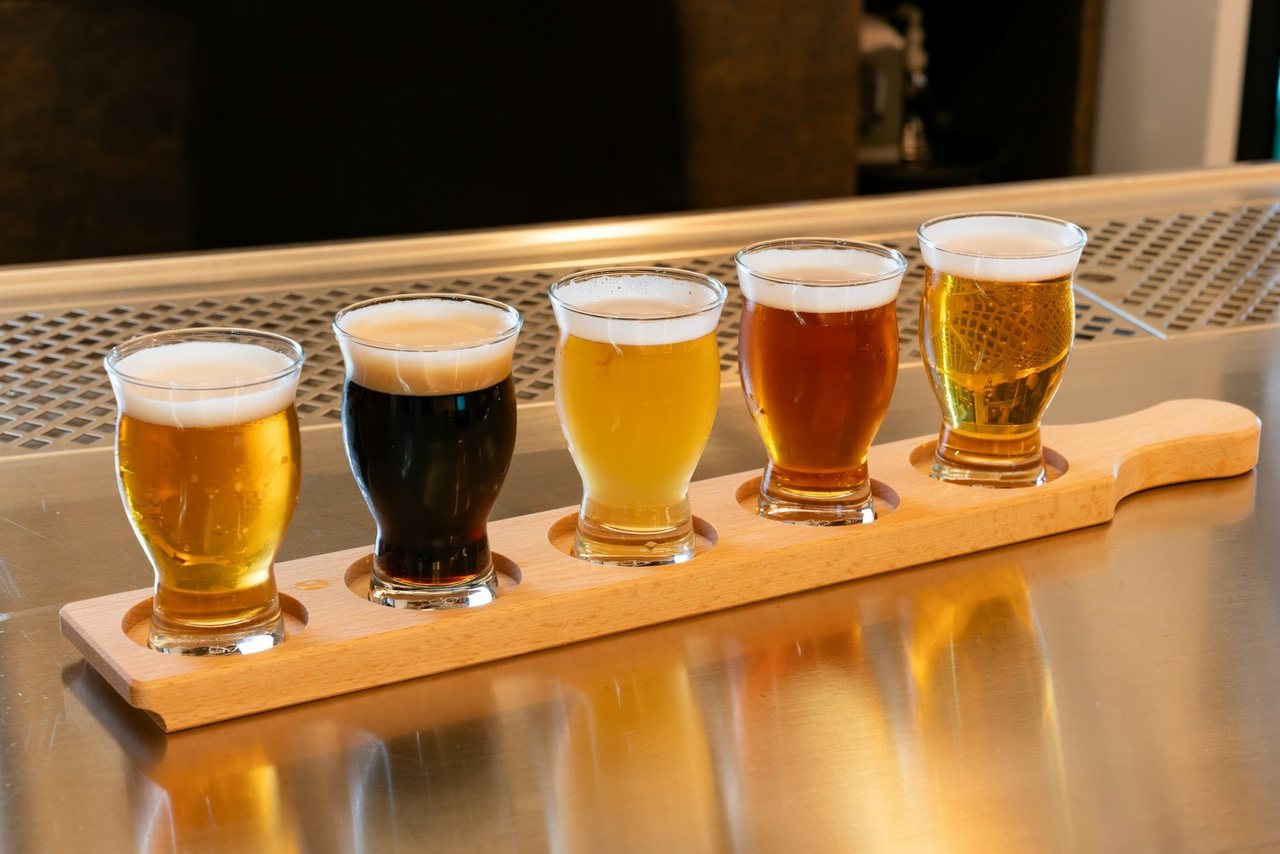
Craft Beer in Tbilisi

Beyond lager: where to drink craft beer in Tbilisi
Photo: Bohdan Stocek, Unsplash

Most of these bars are concentrated in the central districts. In Sololaki, within a short walk of one another, are Sma craft beer Bar on Lado Asatiani Street, Tsota Tsota on Geronti Kikodze Street, and World’s End and Rudeboy on Shalva Dadiani Street. Vere has Process on Merab Kostava Avenue, 5327° on Giorgi Kuchishvili Street, Tuta Bar on Akaki Khorava Street and a second Rudeboy on Vasil Petriashvili Street.

Other parts of the city have one or two each. In Chugureti there is Seven Roads on Kita Abashidze Street; in Mtatsminda, Optimist on Nato Vachnadze Street; and in Vake, Submarine in the park tunnel and Number 8 on Irakli Abashidze Street. The Orbeliani area is home to Hopa Taproom and Secret Place, and Saburtalo to Rusty and Beer&Craft.

Abattoirs Closed

Georgia shuts two slaughterhouses and a fish trader over sanitary breaches
Photo: kallerna, Wikimedia Commons, CC BY-SA 4.0

During an unscheduled inspection in the town of Samtredia, inspectors from the National Food Agency found two slaughterhouses that were operating without registration or a permit. Piglets there were being slaughtered without veterinary oversight. Both businesses were ordered to halt operations over gross violations of food safety rules.

In Senaki, inspectors put a stop to the sale of raw fish. A businessman was transporting the fish for sale in a passenger car, disregarding sanitary standards and temperature requirements. He was fined and barred from continuing his business.

Advertisement

Advertiser: NanoPies OÜ