Wednesday, 4 November 2026Issue of 1 November
Vietnamp. 2 of 12

Eleven Pigs for a Bride
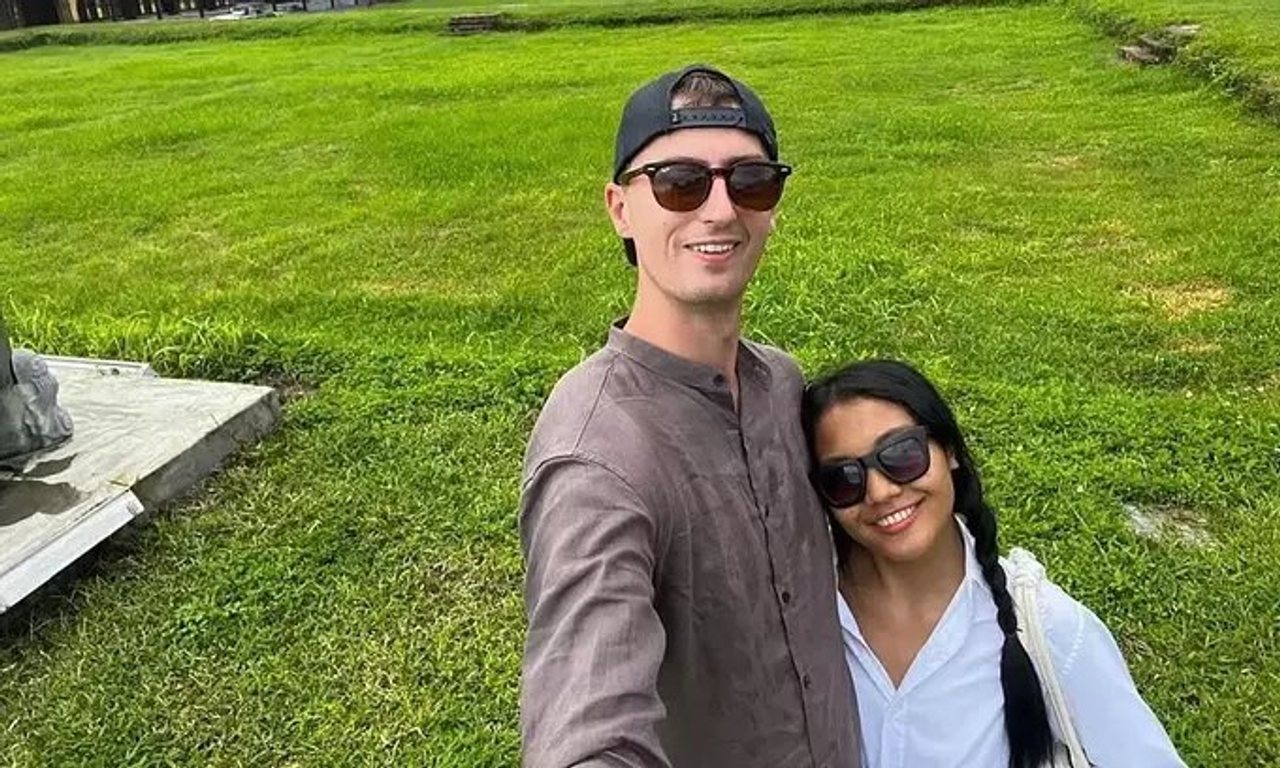
Belgian engineer Cools Nick Dirk presented a gift of eleven pigs to marry a Vietnamese woman
Photo: Sieu / VnExpress International

Cools Nick Dirk, a Belgian engineer, has married Le Thi Kim Sieu of Vietnam’s Pacoh people. Their wedding in the mountainous A Lưới District lasted three days and was held according to the customs of the bride’s family. The groom brought the lavish gifts required by tradition: eleven pigs, ten chickens, a pair of goats, as well as dishes, mats, gongs, and money.

Sieu, 30, and Dirk, 35, met in March 2024 on a dating app. She was working at a tailor shop in the ancient town of Hoi An, having moved there after a failed attempt to open her own business. He, a chemical engineer from Antwerp, was in Vietnam for a friend’s wedding and a holiday. After a few days of messaging, Dirk and his friends visited her shop to have clothes made, and he was immediately captivated by how gently and patiently Sieu spoke with customers. He invited her to dinner that evening, and for the rest of the week they walked around the town together. Before leaving, Dirk confessed his feelings and asked her to travel north with him, but Sieu refused, as she felt no romantic attraction.

Dirk left but called and wrote to her every evening. A week later, he cut his trip short and returned to Hoi An. Sieu says that when she saw him with his luggage at the shop door, she felt a warmth toward him for the first time. For the next two weeks, he accompanied her everywhere and offered financial help, knowing of her difficulties, but she declined. Before his return to Belgium, Sieu promised to give him an answer in six months. Dirk called daily, learning about her childhood in a farming family in central Vietnam and telling her about his own as the youngest son in a family that once had a farm in Belgium. In October 2024, he flew to Vietnam again, and Sieu accepted his proposal.

They lived apart for two years before their wedding in early October. The bride’s family held all the Pacoh rites to inform their ancestors of the marriage and ask for their blessing of peace for the young couple. The number of Dirk’s offerings was surprising, but he was prepared to make them out of respect for his bride’s family’s culture. On the first day, the gifts were brought to Sieu’s home for the engagement ceremony. On the second, since the groom’s parents could not come from Belgium, the bride’s family rented a space that served as the groom’s home for the rite. The couple prayed at an altar and fed each other banh a quat, a sticky rice cake that signifies love for the Pacoh people. On the third day, the ceremony concluded at the bride’s home among relatives and neighbors.

The couple has not yet decided where to live: Sieu wants to be near her parents, while Dirk’s family lives in Europe. For now, they plan to live between the two countries.

Bamboo Circus Stays in Hanoi

The Làng Tôi bamboo circus returns to Hanoi
Photo: Vinhphat1808, Wikimedia Commons, CC BY-SA 4.0

After a world tour, the Vietnamese bamboo circus Làng Tôi (“My Village”) has begun a permanent run in Hanoi. Since November 3, performances are held at the Bamboo Circus Arts Centre at 6:00 p.m.

On stage, bamboo is not just a prop: it is used to build scenes of village life, with live music on three dozen traditional folk instruments. It is the first bamboo circus to tour the world: since 2009, the show has been seen by over 100,000 spectators in 50 cities across nine countries and was covered by The Guardian and CNN. It was directed by Tuan Le, the only Vietnamese artist to perform solo with Cirque du Soleil, where he later choreographed the show Toruk, based on the film “Avatar”.

Bột Chiên Returns to Vo Van Tan

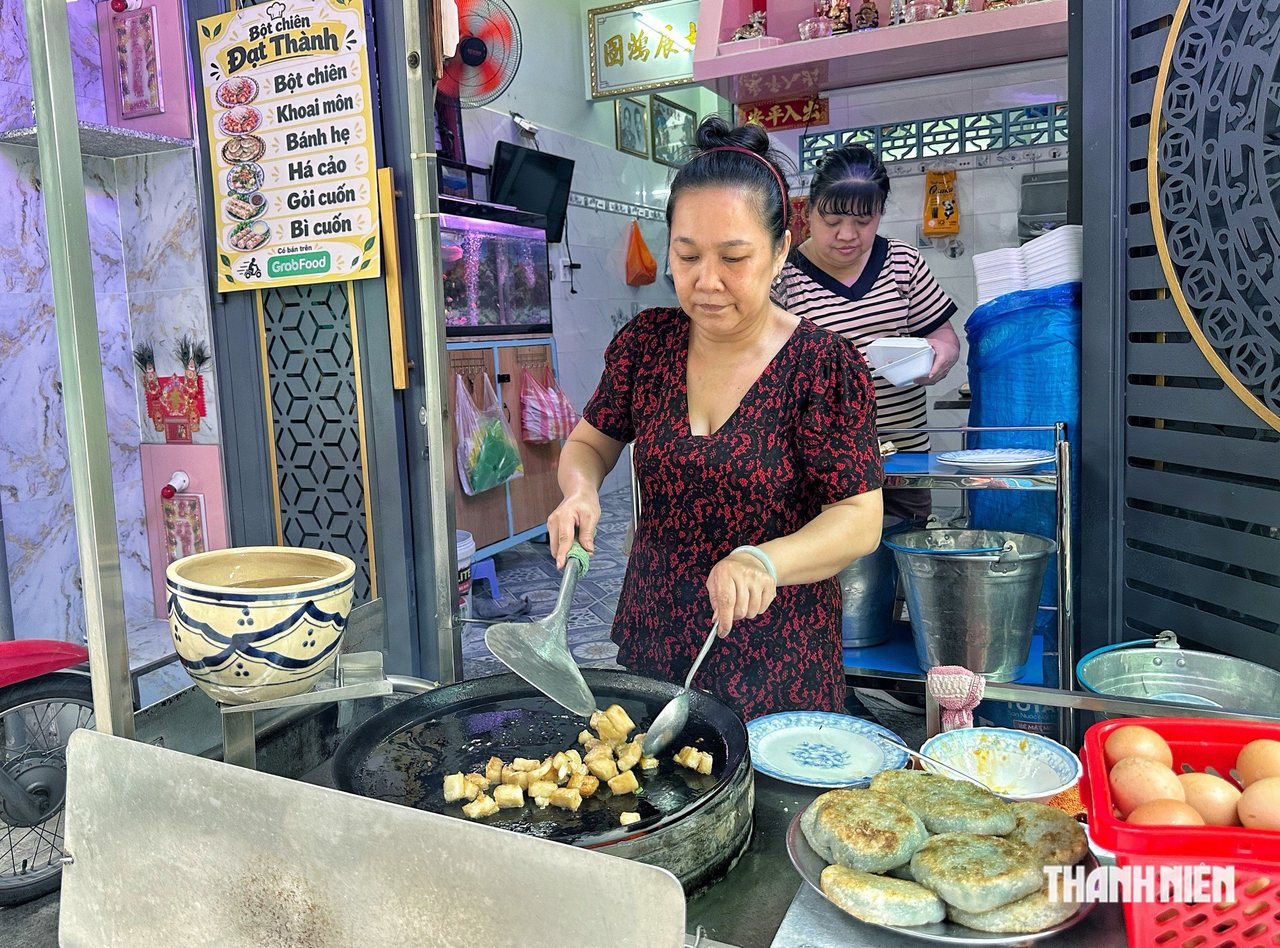
For the past 10 days, Đạt Thành’s fried dough has “returned” to an alley off Vo Van Tan Street, now sold mainly for takeaway
Photo: Cao An Bien / Thanh Niên

The Đạt Thành eatery in Ho Chi Minh City, which for over thirty years had fried bột chiên—pieces of rice dough with egg—closed down in July. The establishment on Vo Van Tan Street was known throughout the city, and for many residents its flavour was linked with memories. A notice on its door, “The eatery will cease operations from July 1. Thank you for your support,” was met with regret.

Three months later, social media posts announced that the bột chiên was back. About ten days ago, a stall under the same name, run by the same people, did indeed open in an alley opposite the former location. The food is now sold mainly for takeaway and through delivery services. Besides bột chiên, they continue to fry noodles and taro and prepare bánh xèo, salads, and spring rolls, just as before.

A family representative, Ms. My, explained to the Thanh Niên newspaper that the old café closed because, over the decades, everyone had grown older and wanted to rest. “There are just three of us left who still have the strength to work,” she said. “We opened in our ancestral home so that it would match our current abilities.” Upon hearing the news, a regular customer, Mr. Thanh Duong, came at once with a friend; he had thought he would never taste it again and is glad the flavour has been preserved, even if it is no longer possible to sit in.

Tà Xùa Beckons Visitors to the Hmong

The mountain commune of Tà Xùa in the northern province of Sơn La was once known for “cloud hunting,” with tourists coming for the sunrises over a sea of clouds. Now, visitors also travel there to meet the Hmong people. New programmes feature hiking, tea picking and processing, local cuisine, and an insight into domestic life. This allows residents to find work and earn an income without leaving their hometowns.

In the first half of 2026, Tà Xùa received about 56,000 tourists, generating around 54 billion dong for the commune, and the World Travel Awards named it Asia’s Leading Emerging Tourism Destination for the first time. To encourage longer stays, the commune needs to improve roads, solve the waste problem, train people for tourism work, and create more activities for visitors.

From Yekaterinburg to Nha Trang

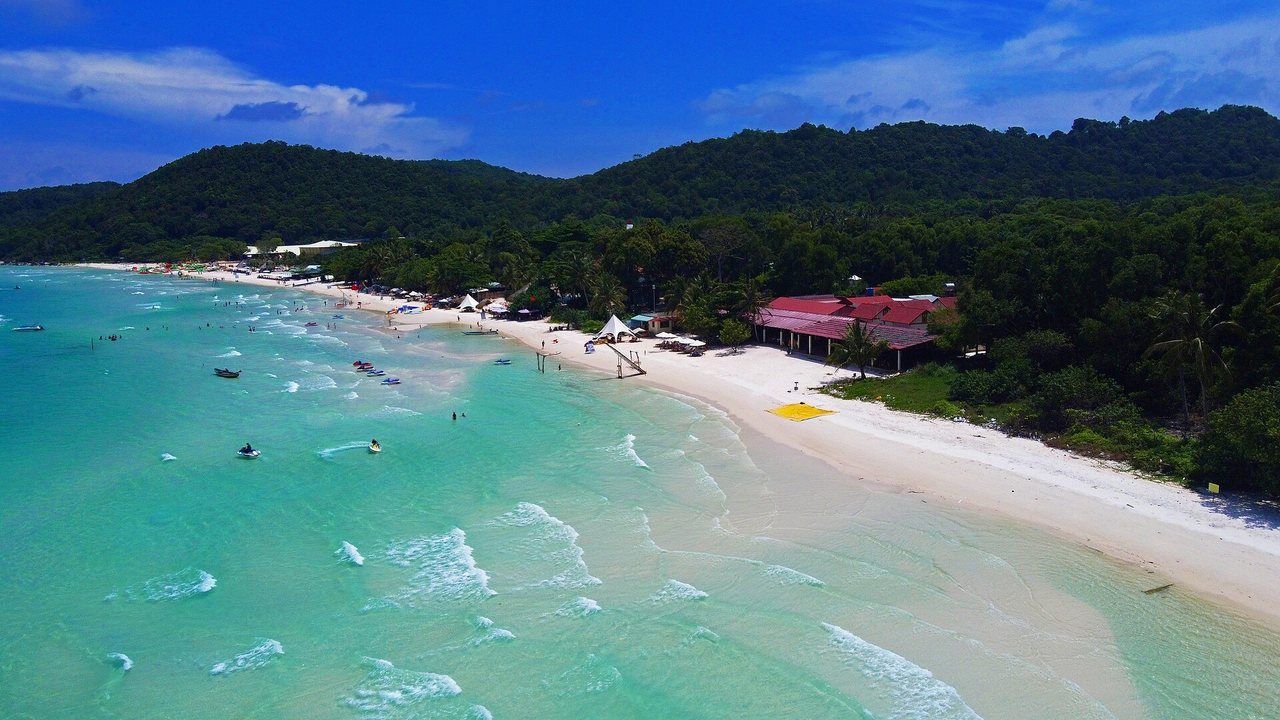
A white sandy beach with palm trees and turquoise water on Phu Quoc Island.
Sao Beach, Phu Quoc. Photo: Trantuonglam, Wikimedia Commons, CC BY-SA 4.0

Vietnamese airline Vietjet Air has launched flights from Yekaterinburg’s Koltsovo Airport to resorts in Vietnam. The first destination is Phu Quoc Island, where a wide-body Airbus A330 with almost 380 seats will carry tourists from the Urals. Flights to Nha Trang are scheduled to open on November 1. The planes will fly twice every 10–11 days throughout the winter season, so Ural residents will no longer need to make a connecting flight in Moscow.