Tipping in Georgia: Who, How Much, and Is It Necessary?
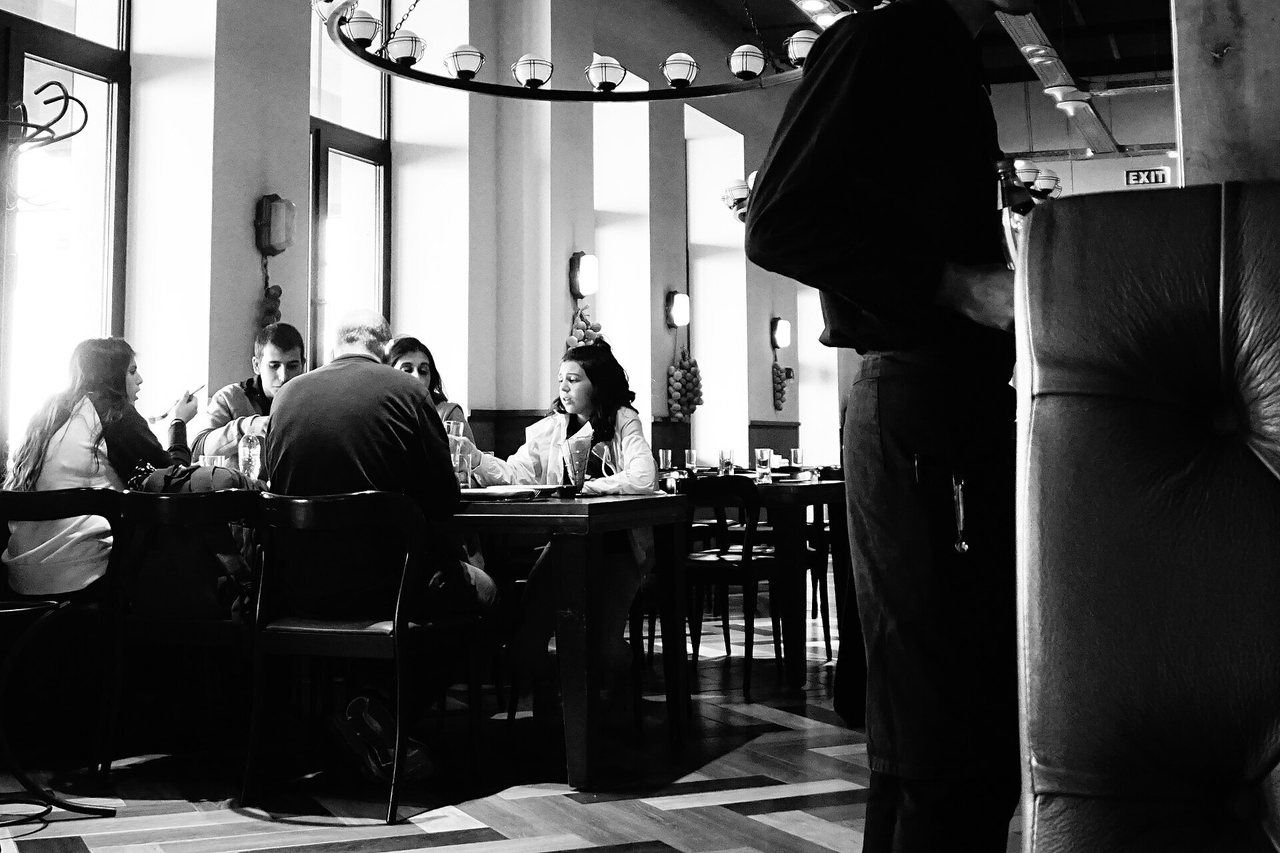
Tipping was never mandatory in Georgia, but it is slowly becoming the norm in areas popular with visitors. The main rule is to check the bill first. Many restaurants in Tbilisi, Batumi, and Kazbegi already include a service charge, usually 10–15%, and leaving anything extra is a pleasant gesture, not an obligation. If the bill is only in Georgian, ask your waiter if service is included. If there is no such line item, a 10% tip is customary. The service charge does not always reach the waiters, so regulars often add a few lari in cash for good service. In a café or bakery, it is sufficient to round up the total or leave 1–2 lari. If invited musicians are playing for guests at a supra, the ensemble is tipped 20–50 lari separately.
A guide’s or driver’s fee on a private tour is payment for a day’s work and does not include a tip. A driver on a group tour is usually tipped 10–20 lari. For a full day of work, a personal driver or city guide receives 20–40 lari, while a guide on a wine or hiking tour gets 30–60. On a multi-day trip, the total amount is given at the end, divided between the guide and the driver.
In family guesthouses, even in Tbilisi and Kutaisi, tips are not expected, though they are always welcome if the hosts were especially attentive. Large hotels in Tbilisi and Batumi follow international norms: 2–5 lari per bag for a porter, 5–10 lari per day for housekeeping, and 10–20 lari for a concierge for a complex request.
Bolt and Yandex Go show the price in advance, and tipping is not part of their culture; you can round up the fare or add 2–5 lari for help with luggage. With a street taxi, the price is agreed upon before the trip, and nothing extra is needed. In the Abanotubani sulfur baths, the attendant who performs the traditional kisi scrub is handed 10–20 lari per person. Tips should only be left in lari: staff have nowhere to exchange euros or dollars, and card terminals rarely have a tip line, so it is best to keep small bills on hand.