Wednesday, 4 November 2026Issue of 1 November
Travelp. 9 of 12

‘Endless’ Cruise Stranded in Cambodia
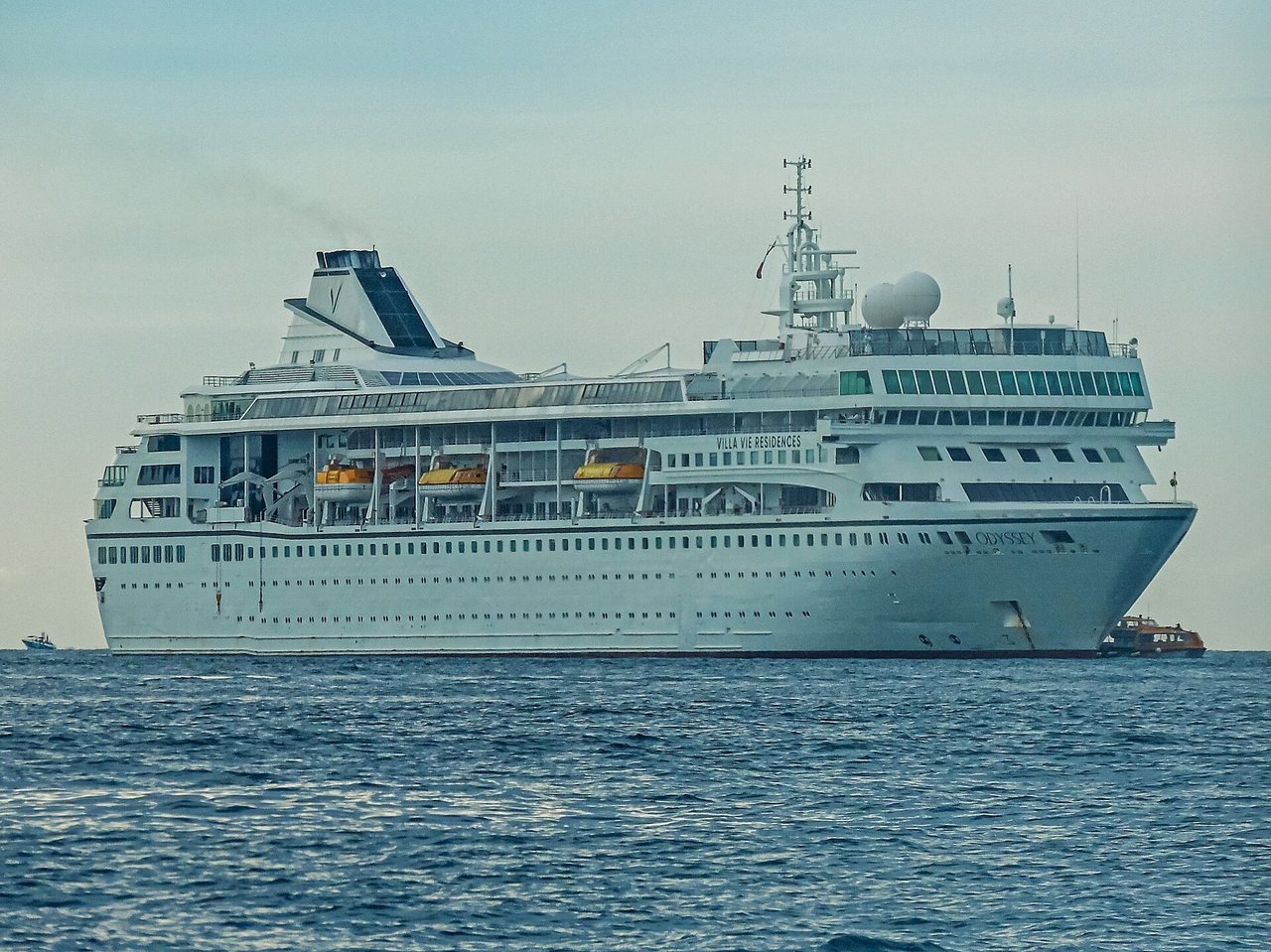
Villa Vie Odyssey. Photo: JerickVillaruel, Wikimedia Commons, CC BY-SA 4.0

The cruise liner Villa Vie Odyssey, which was conceived as a floating home for an endless world cruise, has dropped anchor in Sihanoukville, Cambodia. Its American operator, Villa Vie Residences, has informed passengers that the company has run out of money for fuel. At the time the voyage was halted, there were 203 passengers from 15 different countries and 156 crew members on board.

The project was launched in 2024. The company acquired and refurbished a liner originally built in 1993, with the plan for it to sail perpetually, circling the globe once every three and a half years and calling at more than 400 ports in 147 countries. Cabins could be rented, or residents could purchase the right to live in one for a minimum of 15 years for $120,000–$440,000, in addition to paying monthly maintenance fees. On board, the ship was equipped with restaurants, a swimming pool and a gym.

The company failed to fully book the ship during its two years of operation. After the war with Iran began, the company reported that fuel costs per cabin had soared from $1,800 to $8,000 per month. The operator attempted to save money by slowing the vessel’s speed and extending its stays in port, and also asked passengers to make additional payments. These measures proved to be insufficient. The company has promised to pay for temporary accommodation and transport in Cambodia and hopes to find the funds to resume the voyage within 60 days, but passengers must arrange their own travel home.

The fate of those who paid for years of life on board remains unclear. Lawyer Victoria Zhdanova explains that their contracts are not typical carriage agreements and are formally difficult to classify. In the event of bankruptcy, passengers would have to sue for their money as creditors. Furthermore, their contracts may have been signed not with the ship’s owner but with an intermediary company that has no significant assets. In her opinion, if the passengers have rights to their cabins, the ship’s owner had no right to simply disembark them in Cambodia.
The Lycian Way: Tips for First-Timers

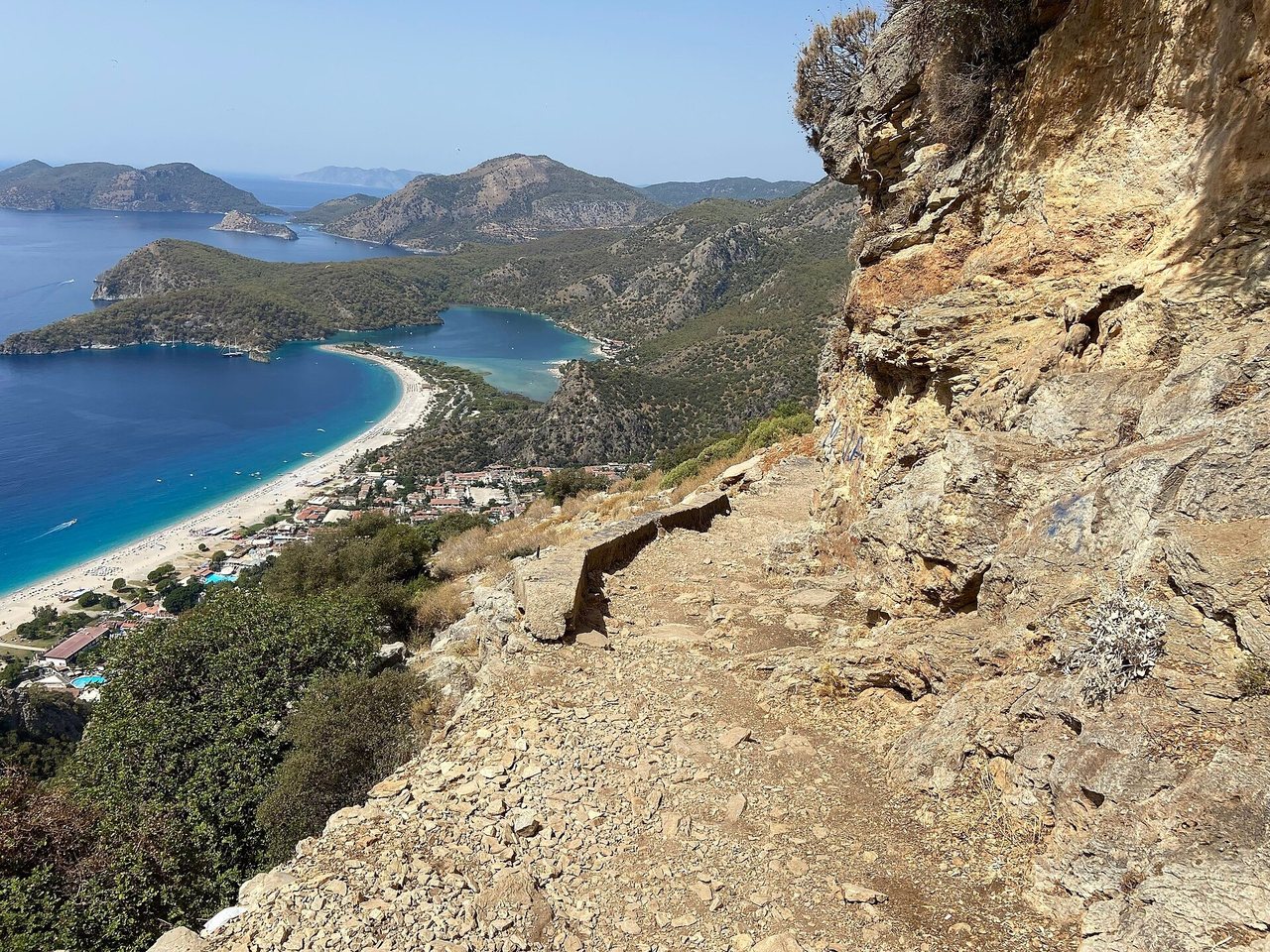
The Lycian Way. Photo: Exelentz, Wikimedia Commons, CC BY-SA 4.0

Traveller Maria Evseeva hiked 540 kilometres along the Lycian Way, a hiking route along the Turkish coast, with a friend over the course of 30 days. In an interview with the publication “Championat,” she offered some advice for those who are planning to go there for the first time.

According to her, one must first and foremost train their heart and breathing: it will be tough in the mountains without good respiratory fitness, and the route is easiest for those who run or do cardio. The second rule is to pack a backpack without any unnecessary items. Evseeva speaks calmly of the dangers on the trail, including for women who hike alone: she met no one among the trekkers who caused any problems, and locals more often than not helped and shared food. “Many campsites are right on the trail, far from villages; it would not occur to anyone to go there on purpose,” she explains.

Death Road: A Bicycle Descent

A jungle road down a cliff. What to know about cycling down Bolivia’s Death Road
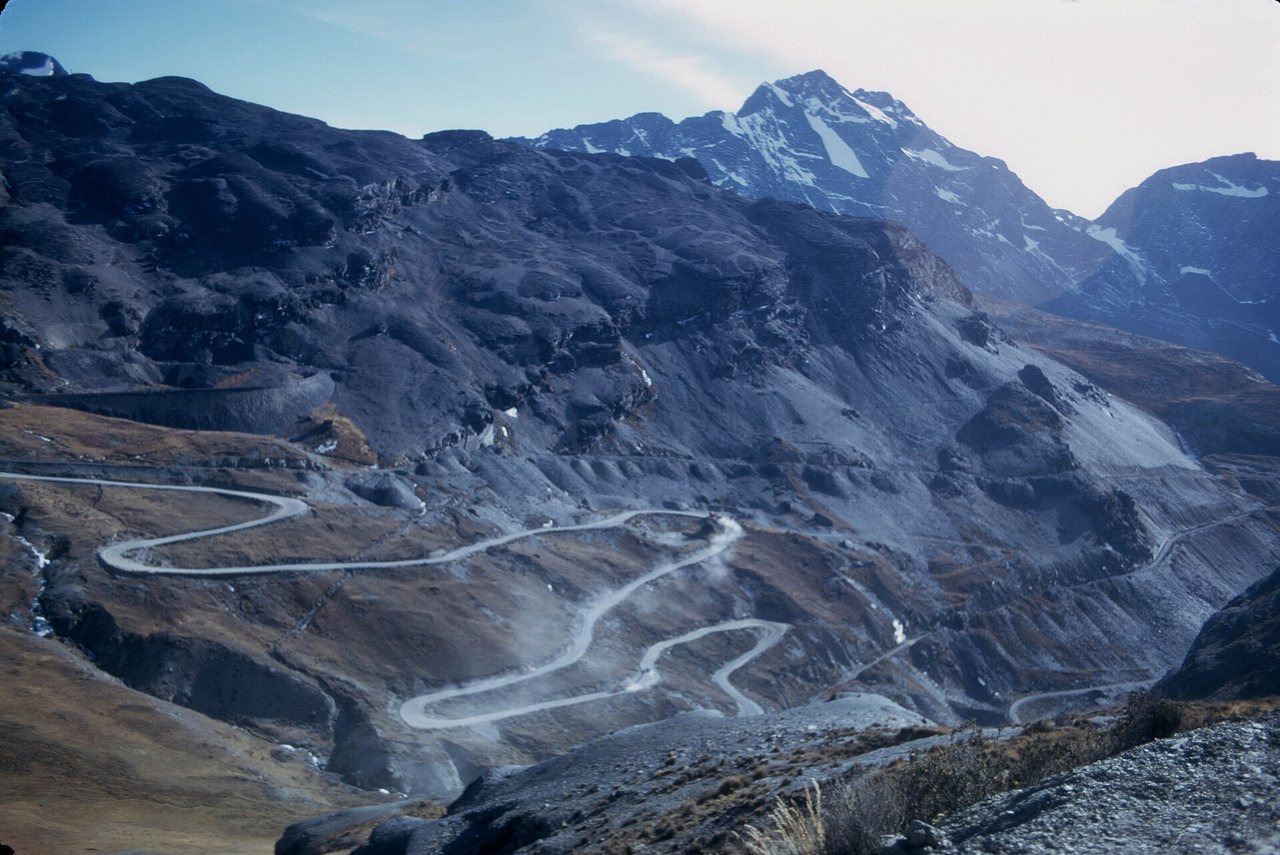
Photo: Jerrye and Roy Klotz MD, Wikimedia Commons, CC BY-SA 3.0

Until 2006, the old road from La Paz to the Yungas region served as the main highway. In 1995, the Inter-American Development Bank named it the world’s most dangerous road due to its narrow sections, poor visibility, and steep cliffs. When a new highway was constructed, the traffic moved there, and the “Death Road” became one of the most famous cycling routes in the world.

The descent starts at La Cumbre pass, at an altitude of about 4,650 metres, and finishes 64 kilometres later in the warm, green Yungas region at 1,200 metres. The route is almost entirely downhill, first on asphalt and then on an old gravel road, and takes about five hours including stops. You do not need the strength of a professional athlete, but you must be a confident rider, able to maintain focus over bumps and on turns above the abyss, and know how to brake on loose gravel. Unlike in the rest of Bolivia, traffic here keeps to the left, and guides will tell you when to stop and let an oncoming car pass.

The best time to go is the dry season from May to October; from November to March the road is more often muddy and slippery, so it is wise to allow for an extra day. A tour from La Paz costs $70–$160 and usually includes transport, a bicycle, a helmet, protective gear, and a guide; a road toll of 50 bolivianos is paid separately in cash. Before choosing a company, you should read recent reviews and ask about the condition of the bicycles, the size of the group, and whether there is a support vehicle that you can transfer to. You will need warm clothes for the high-altitude start, a light waterproof jacket, sunscreen, repellent, and water.

Flights to the Philippines from Russia Resume

The airline IrAero has resumed its direct flights to the Philippines. Its Sukhoi Superjet 100 aircraft will fly from Irkutsk and Khabarovsk to Kalibo once every ten days until April 2027, with a technical stop in Hefei, China, where a transit visa is not required.

For now, flights from Moscow and St. Petersburg still involve layovers, for example on Emirates, but the Embassy of the Philippines is in negotiations to establish direct flights to Manila and Cebu. Russian citizens do not need a visa for stays of up to 30 days. A New Year’s package tour starts at 235,000 rubles, and a return ticket to Manila or Cebu starts at 116,000 rubles.

Tourists are drawn to the white beaches of Boracay, the famous “Chocolate Hills” and tarsiers of Bohol, the whale sharks off the coast of Oslob, and the limestone cliffs of Palawan. This season’s new attraction is Davao on Mindanao, where visitors can see the rare Philippine eagle.

A Resort in the Mountains of Mesopotamia

A new ski resort is being built on Mount Mereto in Turkey’s Batman province, the highest point in Southeastern Anatolia. Snow covers the slopes there from November until the end of April. This winter, a single run for beginners, about 150 meters long with a 16% gradient, will open at an altitude of 2,350 meters, served by a conveyor lift. A café, a campsite and a motorhome park will be located nearby. A 19-km road with safety barriers has been constructed to reach the resort.

Furkan Başar, head of the Sason district administration, said the resort is intended to attract tourists to the province year-round, adding that the slopes are now a half-hour drive from Sason’s center. The resort is located far from the familiar coasts; visitors must fly to Batman via Istanbul or Ankara, then take a 60-km drive to Sason. For now, it is best suited for families with children and those trying skiing for the first time.